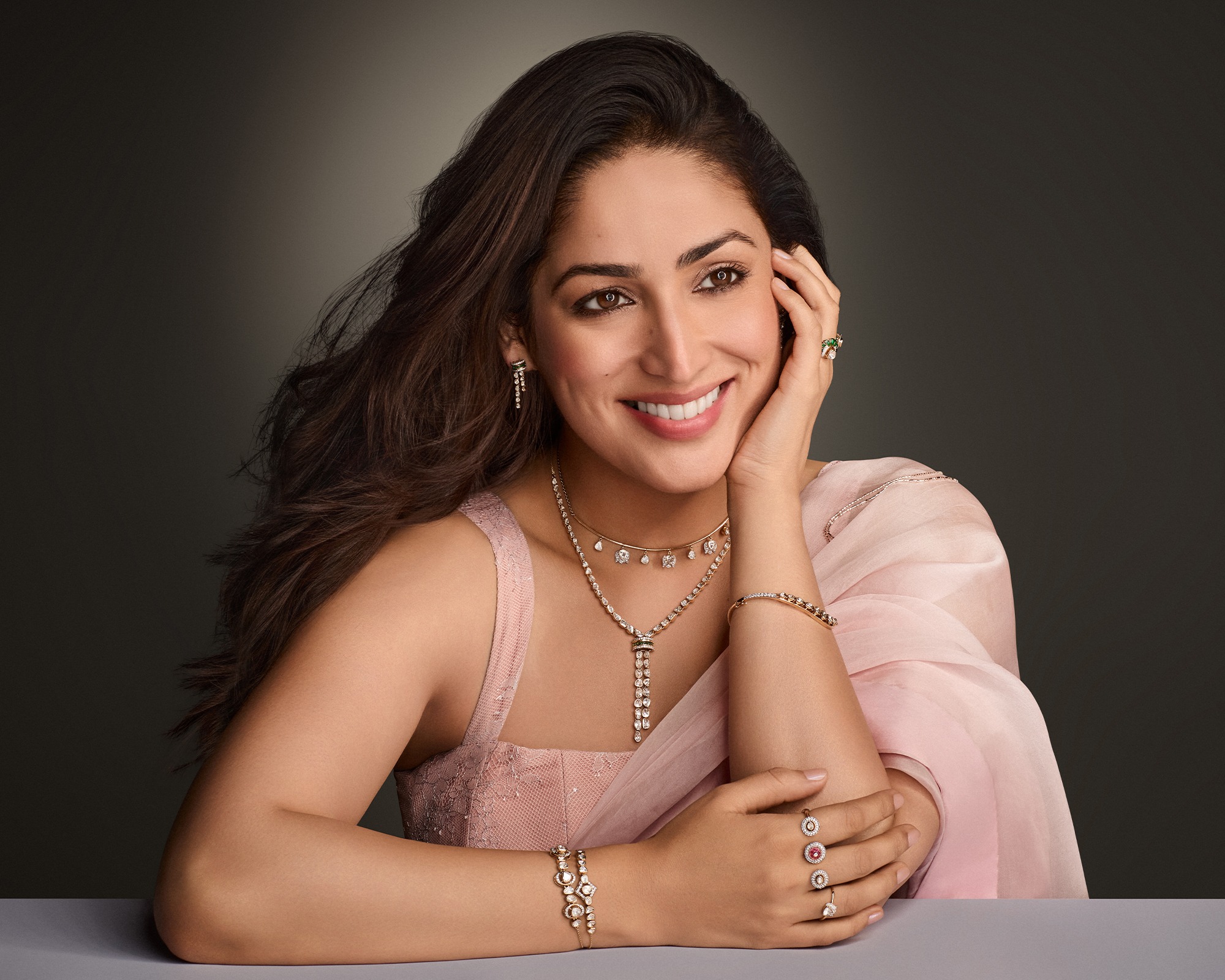
If you have ever browsed traditional jewellery for a wedding or a festive occasion and found yourself unsure whether you were looking at Kundan or Polki — or whether the difference even mattered — you are not alone. The two styles are often displayed side by side, frequently described in similar terms, and sometimes confused even by experienced buyers.
It matters when you are making a purchase decision. The stones are different, the price implications are different, and the occasions each style suits best are different. This guide explains both clearly so that the choice, when you reach it, feels informed rather than guessed at.
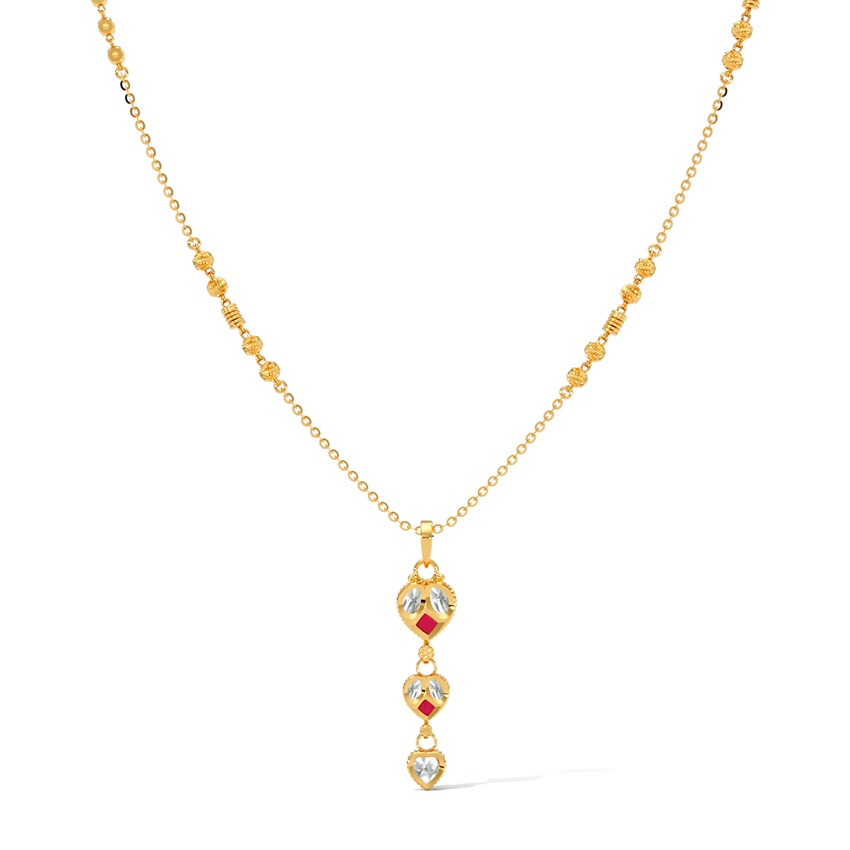
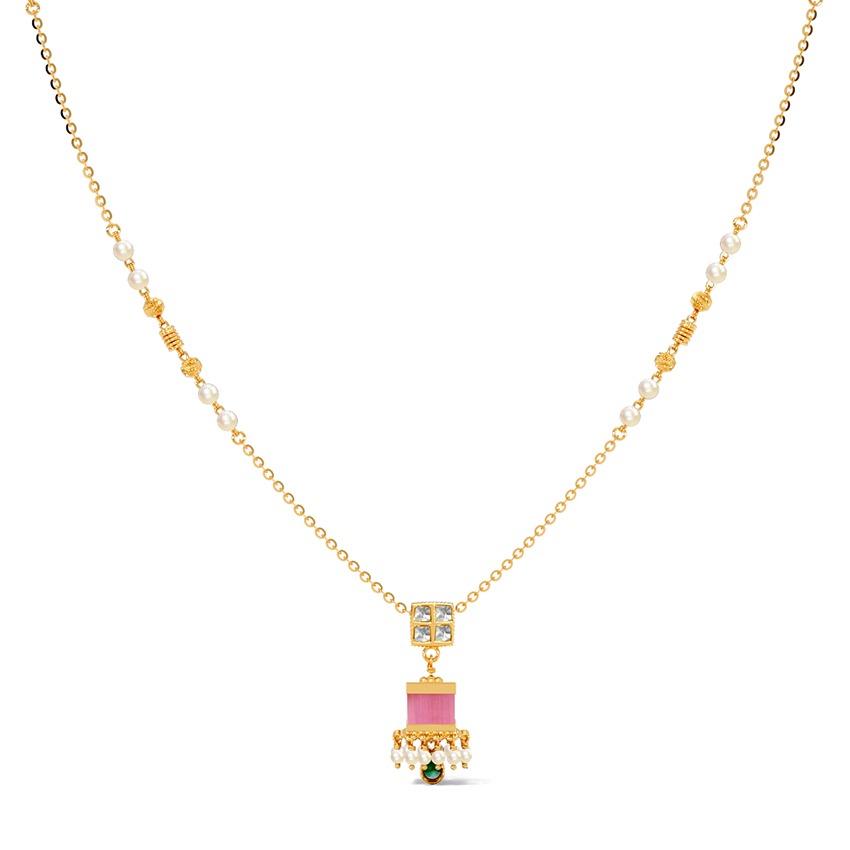
What Is Kundan Jewellery?
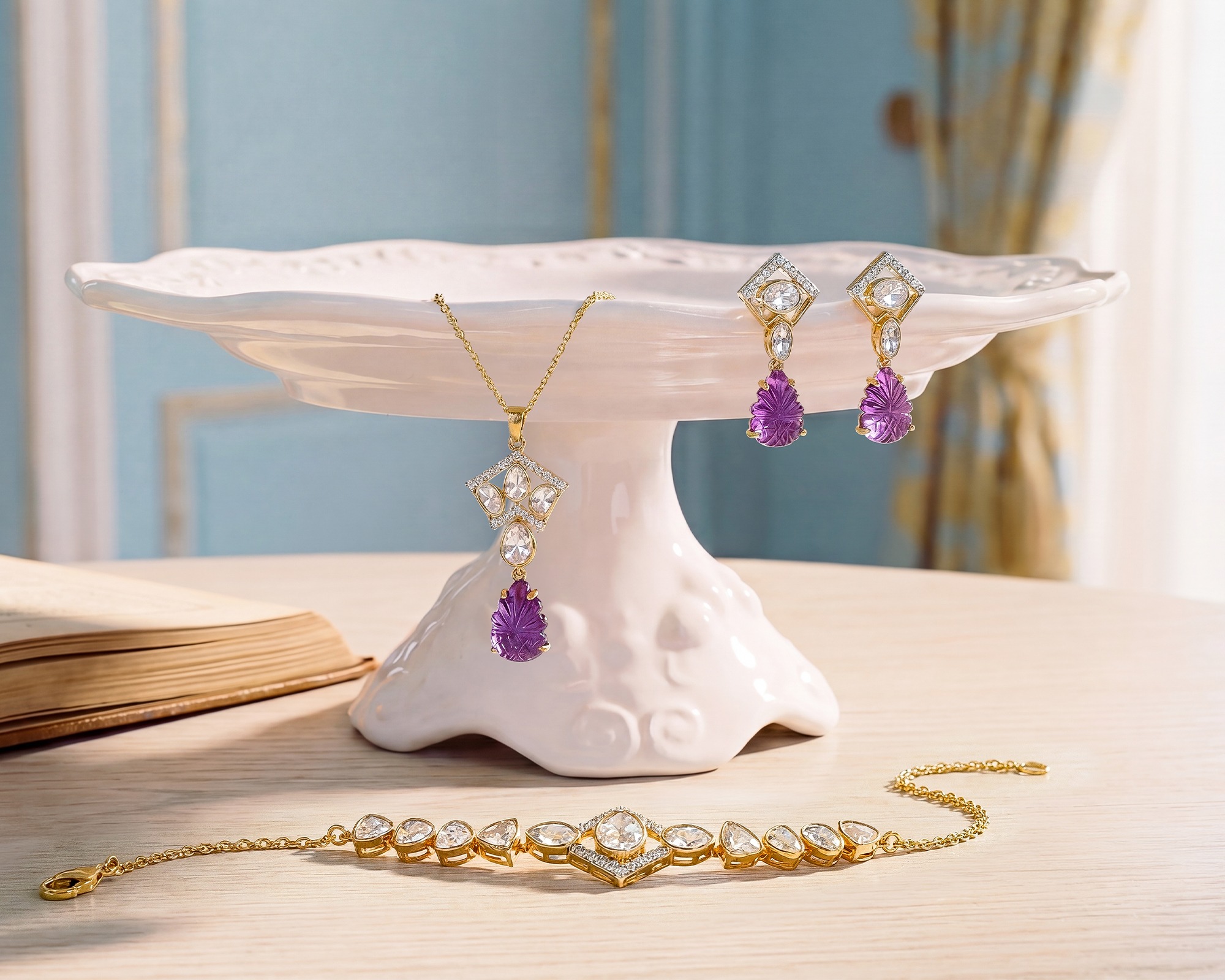
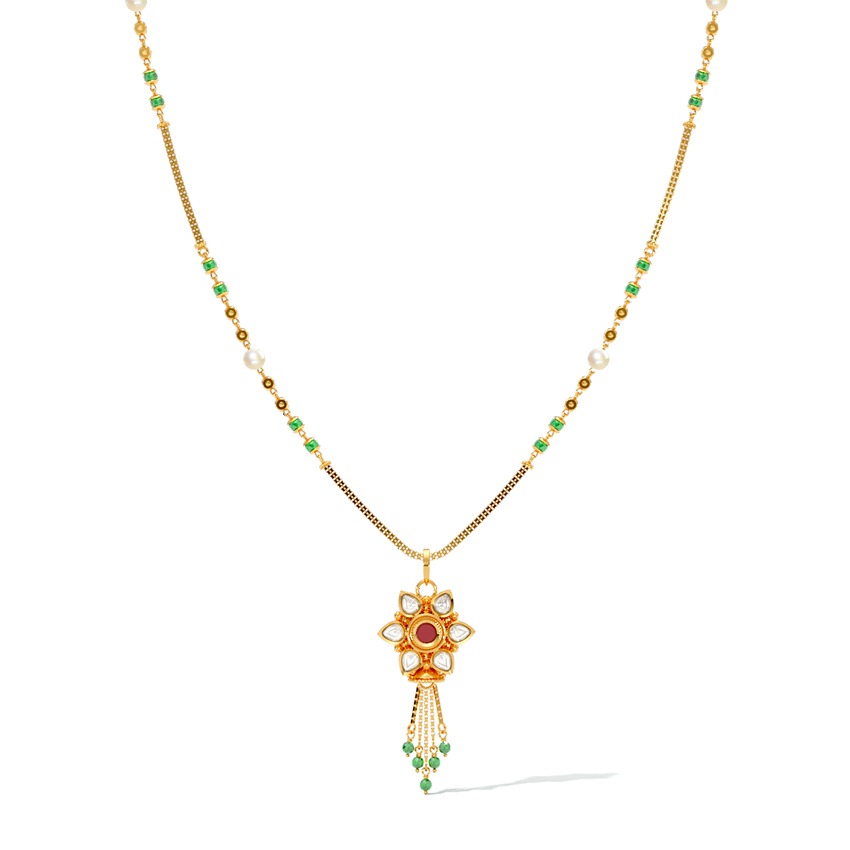
Kundan jewellery is one of India’s oldest and most refined jewellery-making traditions, with roots in the royal courts of Rajasthan and the Mughal era. The word “Kundan” refers to refined, pure gold, and the technique involves setting stones into a framework of gold-foil layers rather than using conventional prongs or bezels.
In the Kundan setting process, a base is created in lac (a natural resin), providing the piece with its structural foundation. Stones, traditionally gemstones like rubies, emeralds, sapphires, and diamonds, but often high-quality glass stones in contemporary pieces, are then embedded into this base and secured by pressing refined gold foil around each stone. This setting technique is what gives gold Kundan jewellery its characteristic flush, flat appearance, where each stone seems to float within a field of gold.
The visual result is rich, colourful, and intricate. Kundan pieces are typically elaborate — heavy necklaces, wide chokers, statement earrings, and the backs of the pieces often feature meenakari work, in which enamel is used to create colourful floral or geometric patterns. The combination of vivid stones on the front and colourful enamel on the back makes Kundan jewellery a complete work of craftsmanship from every angle.
What Is Polki Jewellery?
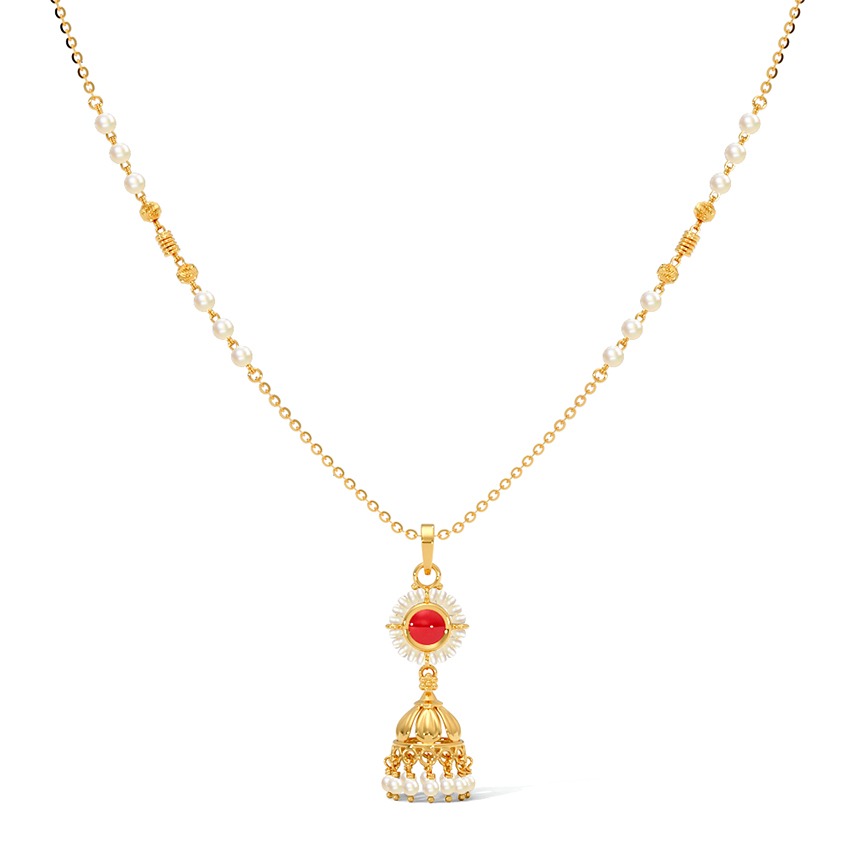
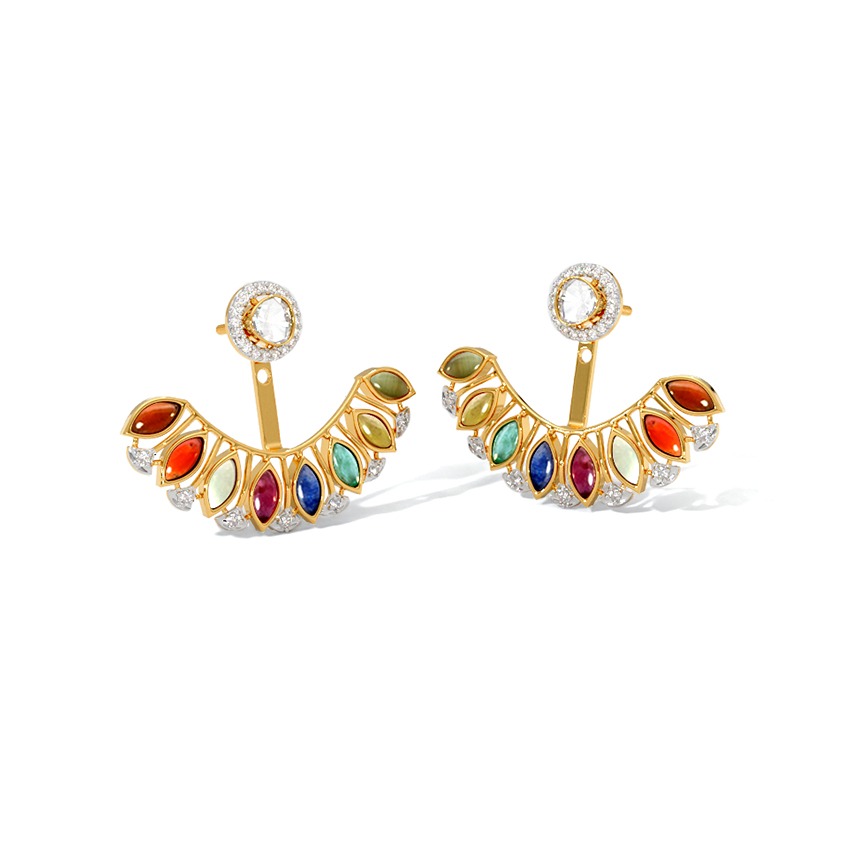
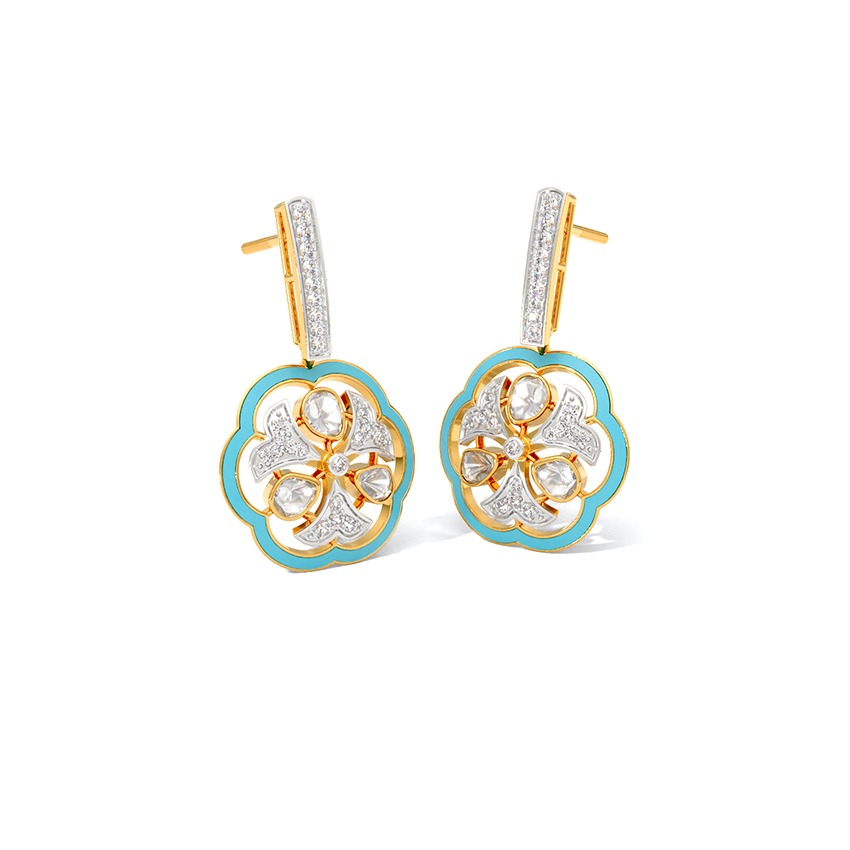
Polki jewellery uses uncut natural diamonds — diamonds that have been mined but not faceted or polished in the conventional sense. These stones retain their natural, raw form: flat on one side, irregular in shape, and with a softer, more diffused glow rather than the sharp brilliance of a cut diamond.
The tradition of Polki diamond jewellery also traces back to the Mughal era, when uncut diamonds from Indian mines were set in gold frameworks by master craftsmen. The technique involves hand-setting each Polki stone into a gold setting, with the flat side facing upward to catch light. Small foil pieces are often placed beneath the stones to enhance their luminosity.
What Polki jewellery is made of at its core is this: natural, uncut diamonds in gold settings, assembled through a labour-intensive handcrafting process. The result is jewellery with a distinctly organic quality; the stones do not sparkle like cut diamonds, but they glow with a warmth and depth that feel ancient and irreplaceable. Each piece is unique because each uncut diamond is unique.
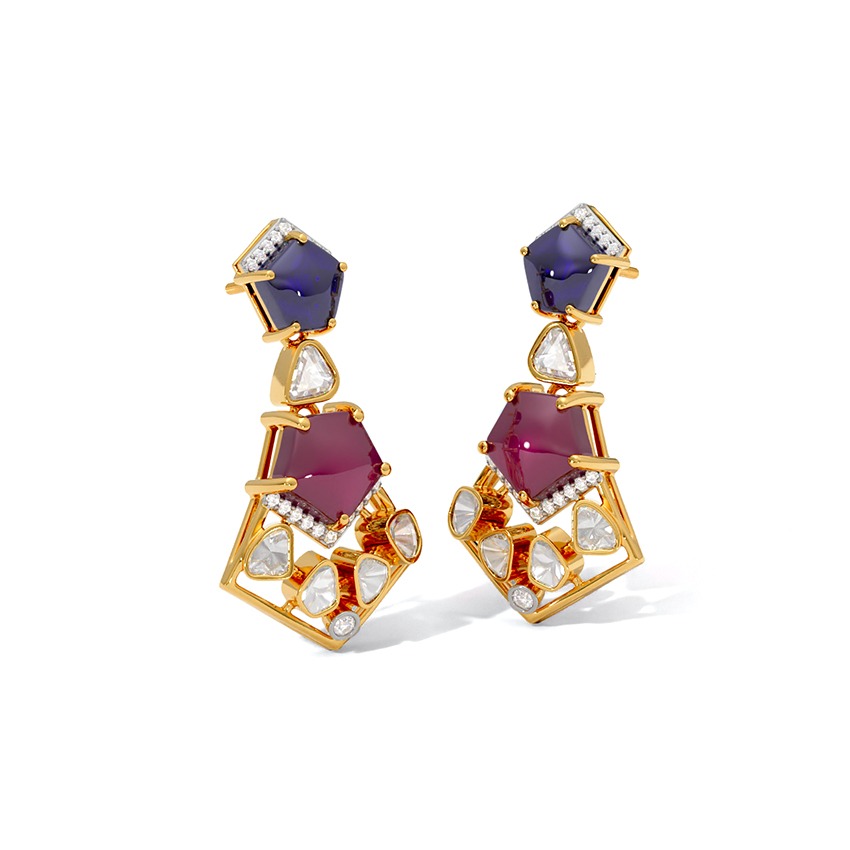
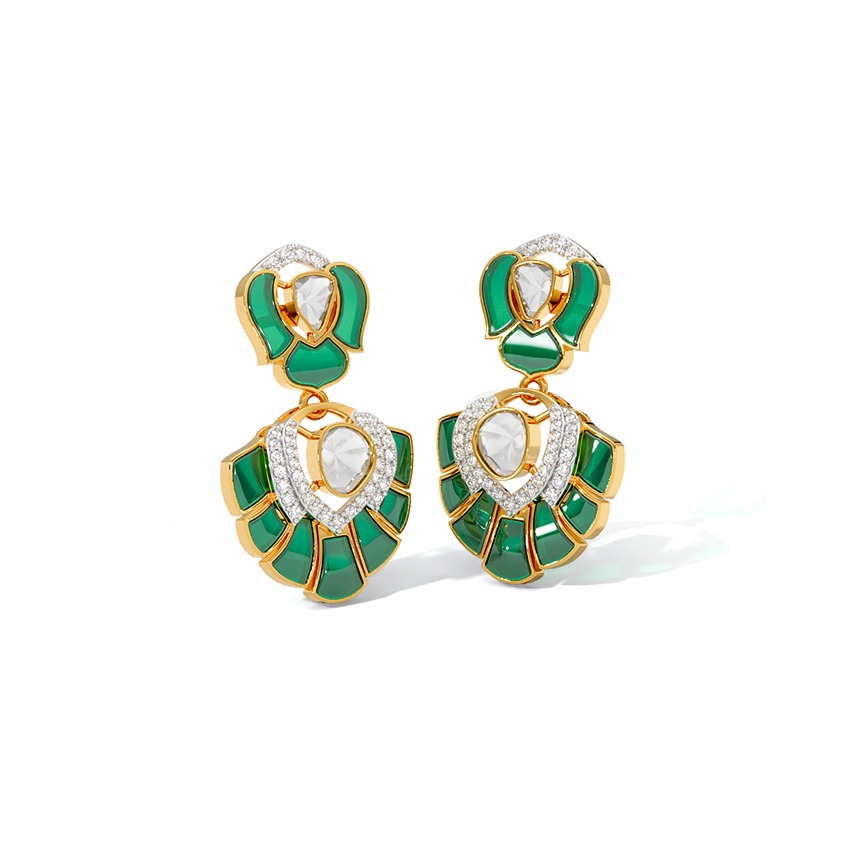
Difference Between Kundan and Polki Jewellery
These two traditions share a heritage, a general aesthetic, and an occasion profile, but they are made from different materials, through different processes, and carry different price implications.
| Factor | Kundan | Polki |
| Stone used | Gemstones or quality glass stones | Uncut natural diamonds |
| Setting technique | Gold foil pressed around stones on a lac base | Hand-set diamonds in a gold framework |
| Appearance | Vivid, colourful, richly detailed | Warm, organic glow, softer luminosity |
| Weight | Typically heavy | Heavy in traditional form, lighter in contemporary |
| Price range | Wider range depending on the stones used | Generally higher due to natural diamonds |
| Long-term value | Varies by stone quality | Retains value as natural diamonds |
| Best suited for | Colourful bridal outfits, festive occasions | Pastel or neutral bridal looks, heirloom pieces |
A useful frame before the comparison: neither style is better than the other. They suit different budgets, different outfits, and different personal preferences. Understanding the differences is what allows you to make the right choice rather than an assumed one.
Material and Stone Difference
The most fundamental difference between Kundan and Polki jewellery is what sits at the centre of each stone setting.
Kundan uses gemstones — rubies, emeralds, sapphires, and other coloured stones — or, in more affordable versions, high-quality glass stones that replicate their appearance. The stones are typically flat-cut or cabochon, and the setting method (the gold foil technique) defines the style as Kundan, regardless of the stone type.
Polki uses uncut natural diamonds exclusively. These are genuine diamonds, not simulants, but they have not been through the faceting process that gives modern diamonds their characteristic brilliance. The difference between Polki and Kundan in material terms is therefore the difference between gemstones or glass and natural diamonds, a distinction that significantly affects both price and long-term value.
Both styles use gold frameworks and often incorporate meenakari enamel work on the reverse. The stone is the defining variable.
Craftsmanship and Making Process
Both Kundan and Polki jewellery are handcrafted through labour-intensive traditional processes, but the specific techniques differ.
In Kundan making, the process begins with a lac base that is shaped to the desired design. Gemstones or glass stones are set into this base one by one, and refined gold foil is pressed around each stone to secure it. The meenakari work on the reverse is done separately, requiring its own specialist craftsman. A single piece of traditional Kundan jewellery may pass through the hands of several artisans across multiple specialisations.
How Polki jewellery is made involves hand-setting uncut diamonds into gold frameworks, with small foil pieces placed beneath each stone to enhance luminosity. The irregular shape of each Polki stone means that every piece requires individual attention; there is no standardised stone placement possible when each diamond is a different form. If it is Polki vs Kundan, then the hand specificity makes it clear that they are two equally demanding but differently expressed craft traditions.
Appearance, Styling, and Bridal Appeal
Gold Kundan jewellery has a distinctly vivid, colourful appearance. The combination of richly coloured stones against refined gold, often in elaborate geometric or floral patterns, gives it a visual warmth that pairs particularly well with colourful bridal outfits, a red or pink lehenga, a richly embroidered saree, and a heavily embellished bridal look where the jewellery needs to hold its own against a busy outfit.
Comparisons of Kundan and Polki jewellery often note that Polki has a more restrained visual character. The uncut diamonds glow rather than sparkle, producing a softer, more diffused light effect that suits neutral and pastel bridal palettes particularly well. A Polki necklace against an ivory or pale gold lehenga has an heirloom quality that coloured-stone Kundan does not replicate.
In terms of bridal appeal, both styles photograph beautifully and carry the weight of the occasion that weddings require. The choice often comes down to the outfit’s colour palette and the aesthetic the bride wants to project.
Price and Value Difference
The price difference between Kundan and Polki jewellery is significant, and understanding why it exists makes the decision easier.
Polki jewellery commands a higher price because it uses natural, uncut diamonds. Even though these diamonds are not faceted, they are genuine stones with all the associated rarity and value. The handcrafted setting process adds further to the cost.
Kundan jewellery varies considerably in price depending on the stones used. Pieces made with genuine gemstones, rubies, emeralds, and sapphires, can be expensive in their own right. Pieces made with high-quality glass stones are considerably more affordable. This range means Kundan is available across a wider price range than Polki, which is almost always at the higher end of the traditional jewellery budget.
The long-term value consideration also favours Polki: natural diamonds retain and appreciate in value over time. Kundan pieces with glass stones do not carry the same level of investment.
Kundan vs Polki Jewellery for Weddings
Both styles have strong bridal credentials, but they suit different occasions, outfits, and priorities within a wedding context.
The decision comes down to a few specific questions: What is the outfit’s colour palette? What is the budget? Is this a purchase for a single occasion or a long-term heirloom investment?
When to Choose Kundan Jewellery
Gold Kundan jewellery is the stronger choice for brides who want vibrant, colourful pieces that work with richly embellished outfits. The coloured stones in a Kundan set complement reds, pinks, magentas, and jewel tones in a way that Polki’s neutral diamond glow does not.
Kundan is also the more accessible choice for festive occasions beyond the wedding itself, sangeet, mehendi, and pre-wedding functions, where statement jewellery is appropriate but the full bridal investment may not be warranted. The wider price range at Kundan makes it a more practical choice for guests, family members, and brides.
For first-time buyers navigating a wedding jewellery budget, Kundan offers traditional beauty at a more accessible price, particularly in glass-stone versions that are visually indistinguishable from gemstone pieces in photographs.
When to Choose Polki Jewellery
Bridal Polki jewellery suits brides who want the heirloom dimension alongside the bridal aesthetic. A Polki set bought for a wedding can be passed down to the next generation, not just as a family keepsake but as a genuine financial asset.
What is Polki jewellery in the bridal context? It is the choice for pastel and neutral bridal palettes, such as ivory, champagne, pale gold, and soft blush, where the understated glow of uncut diamonds provides presence without competing with the outfit’s delicacy. It is the jewellery that photographs with a quality of richness that is difficult to articulate but immediately apparent.
Polki is also the choice for brides who value individuality in their jewellery. Because each uncut diamond is unique in shape and character, no two Polki pieces are exactly alike.
Contemporary Polki-Inspired Jewellery at CaratLane
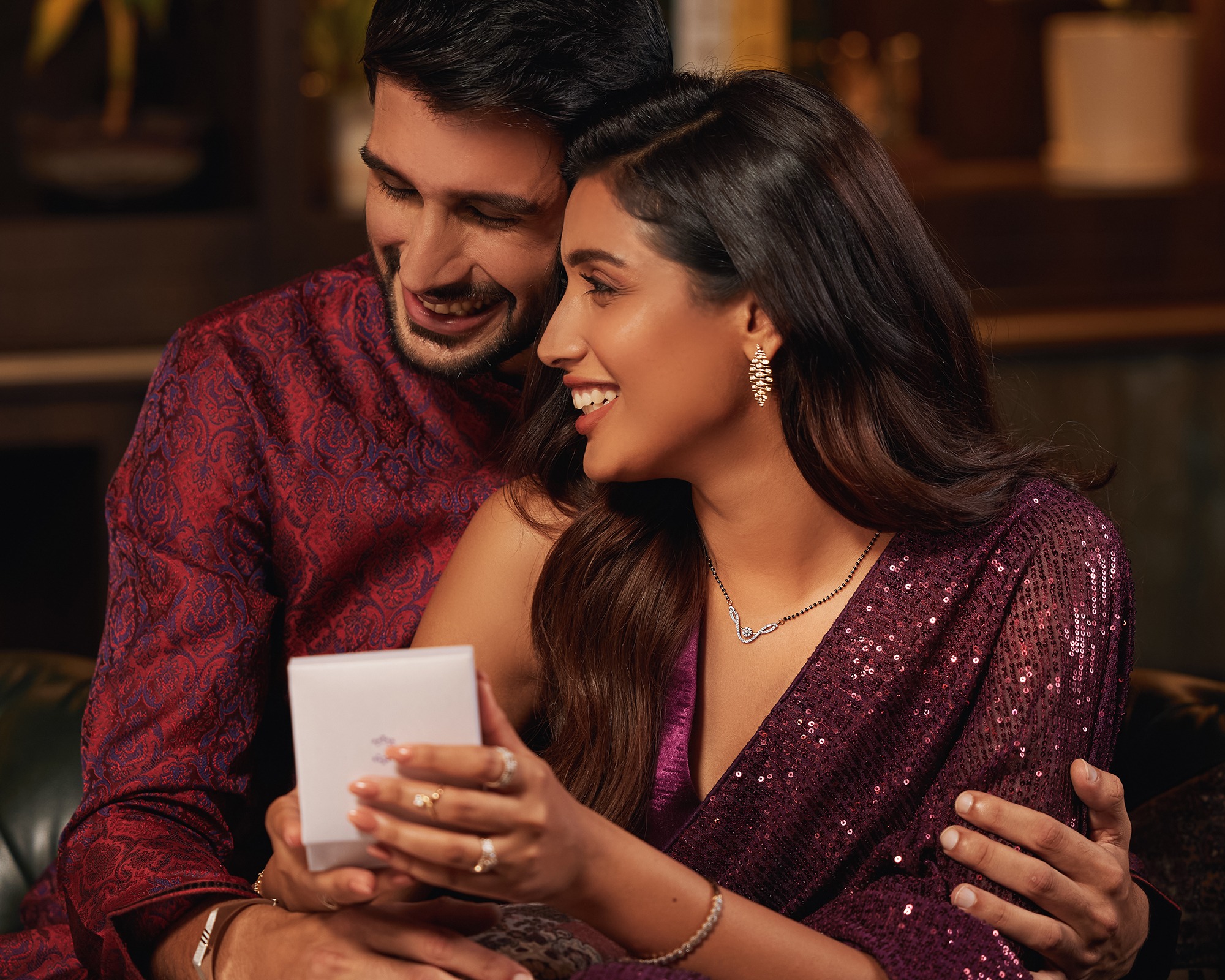
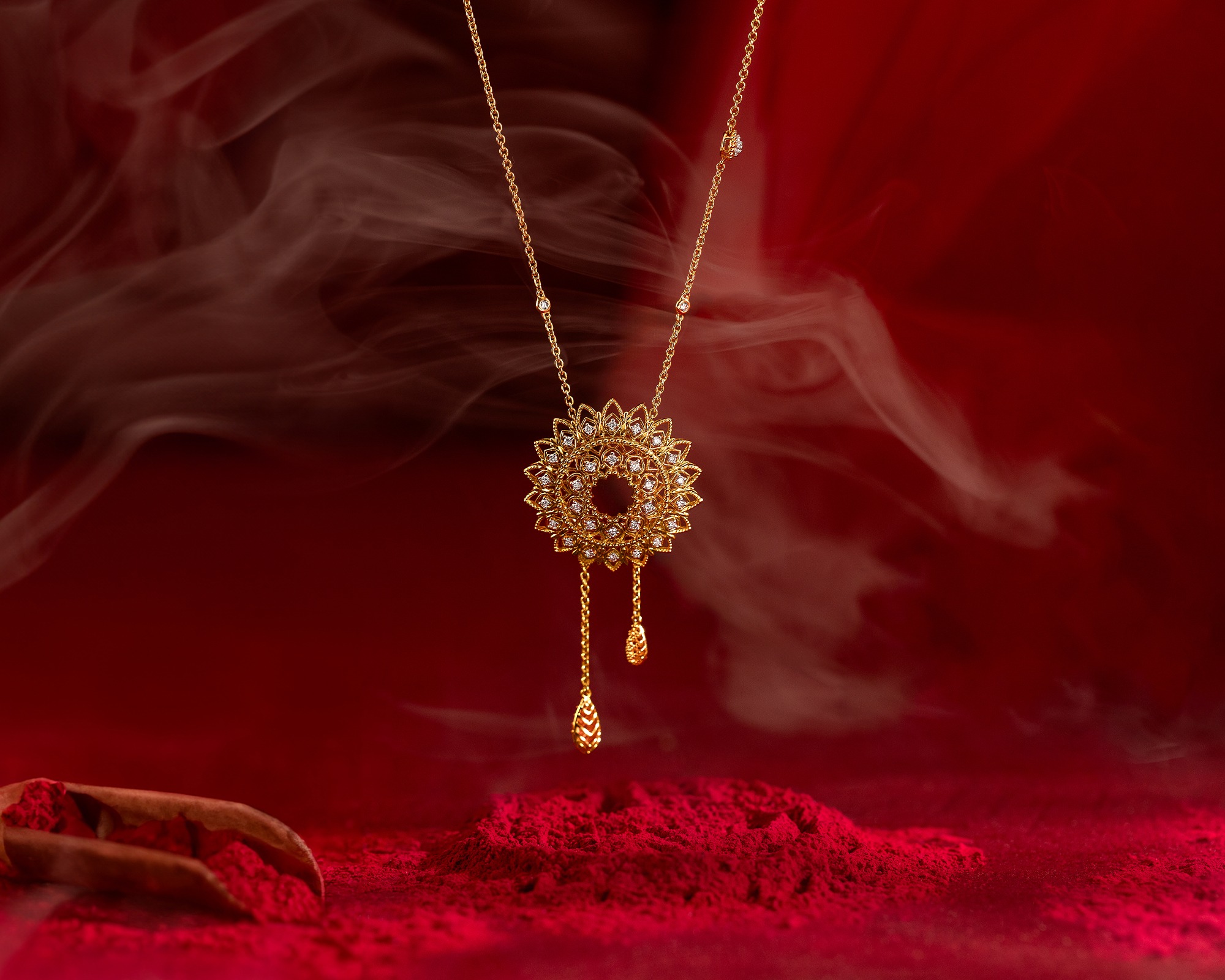
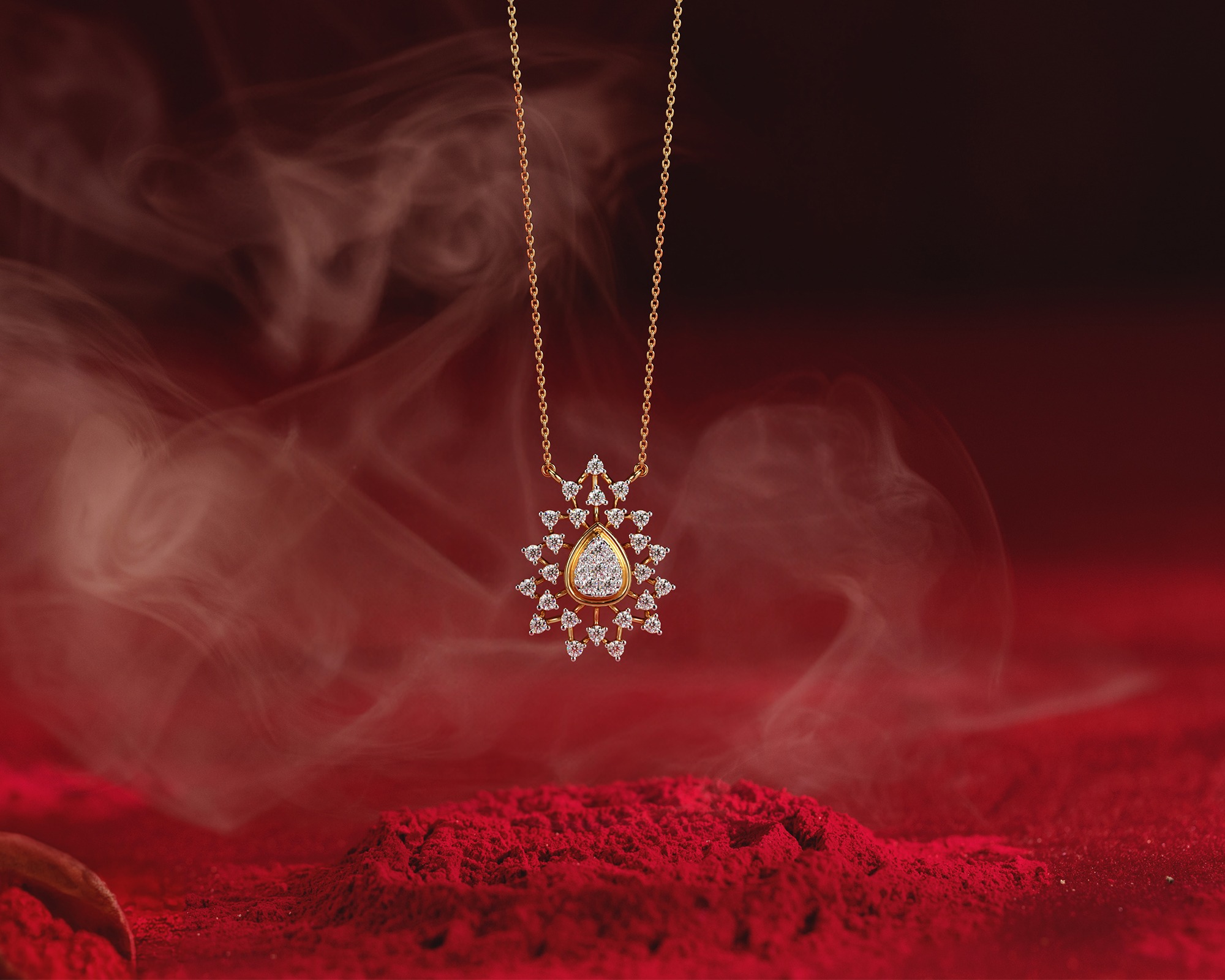
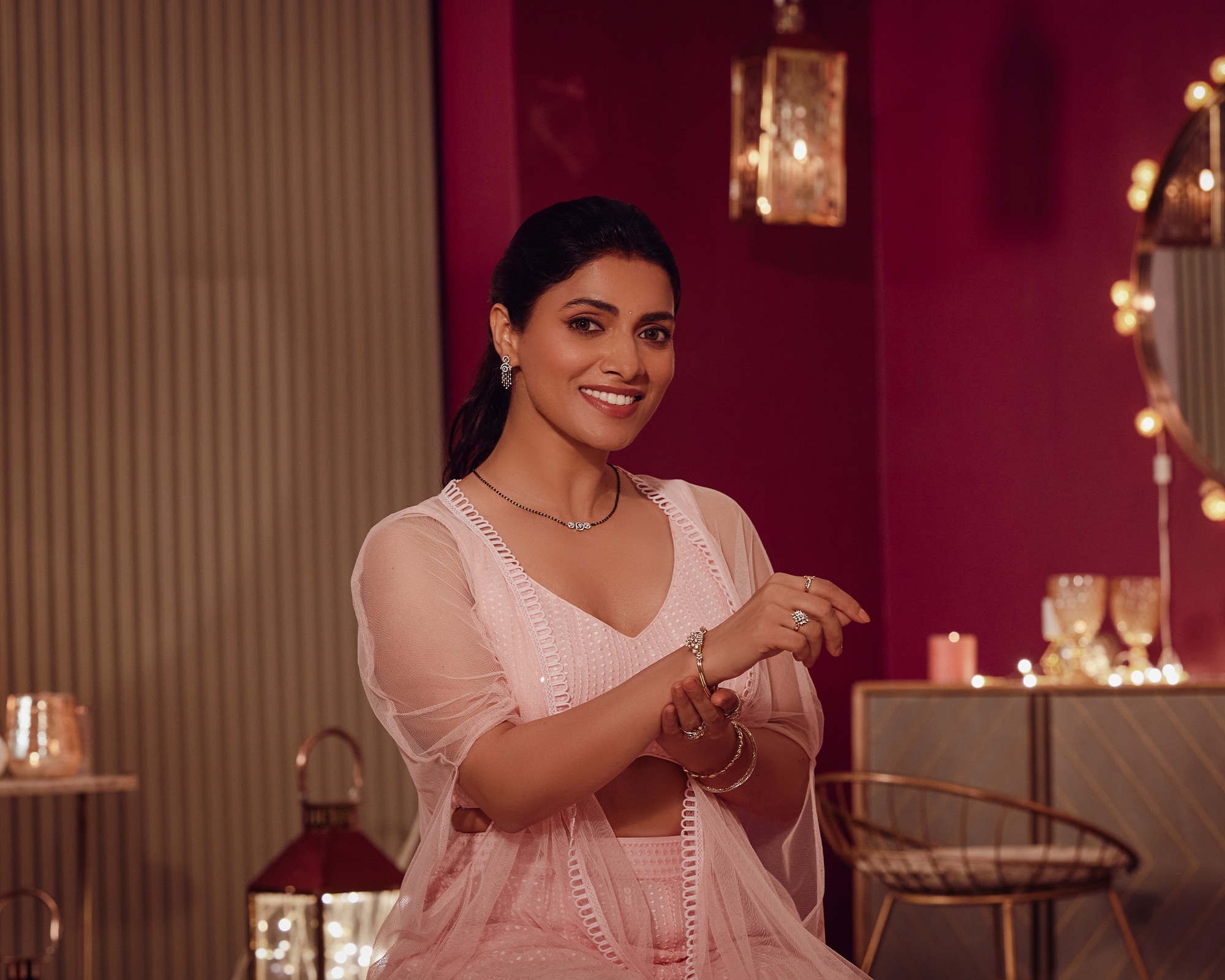
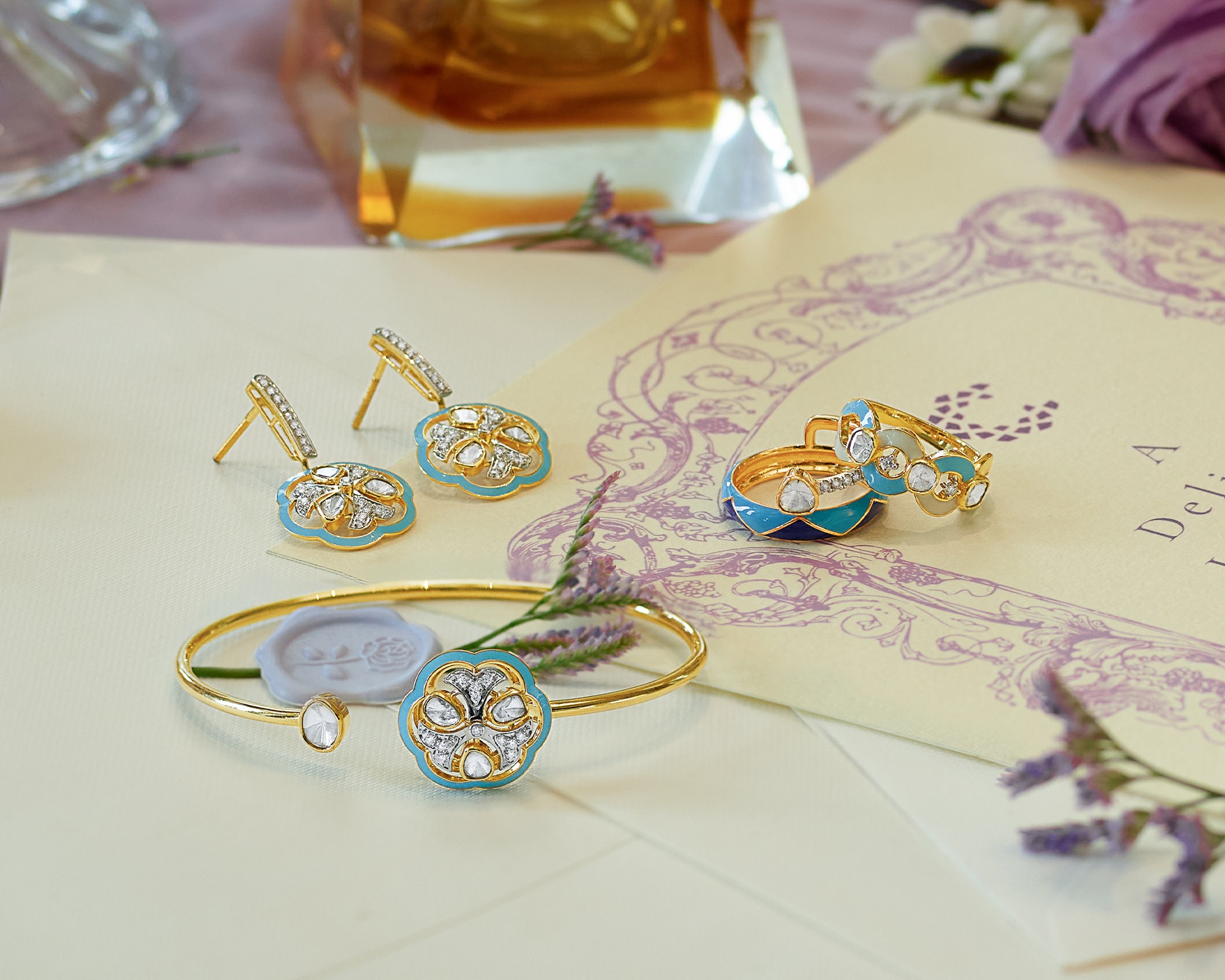
Traditional Polki jewellery, in its original form, is handcrafted, heavy, and typically part of elaborate, made-to-order bridal sets. CaratLane’s Polki collection takes a different approach, drawing on heritage aesthetics and natural diamonds while reimagining the format for how contemporary women actually dress and live.
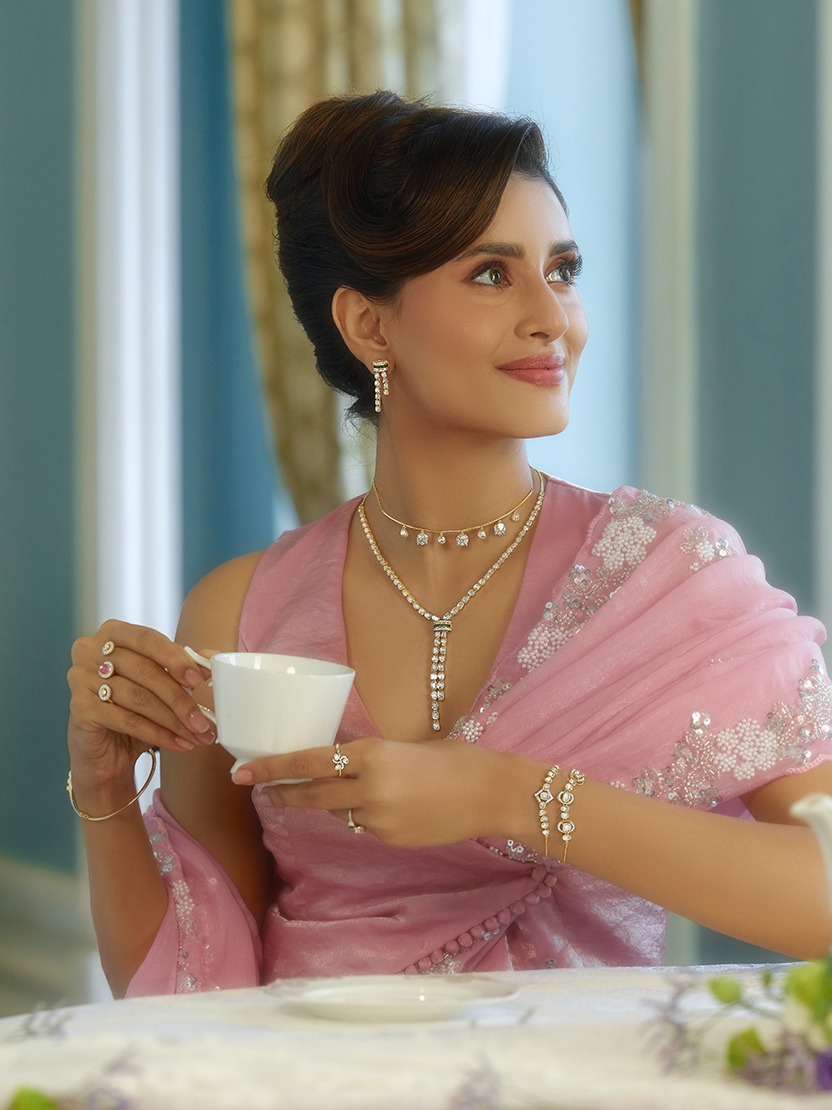
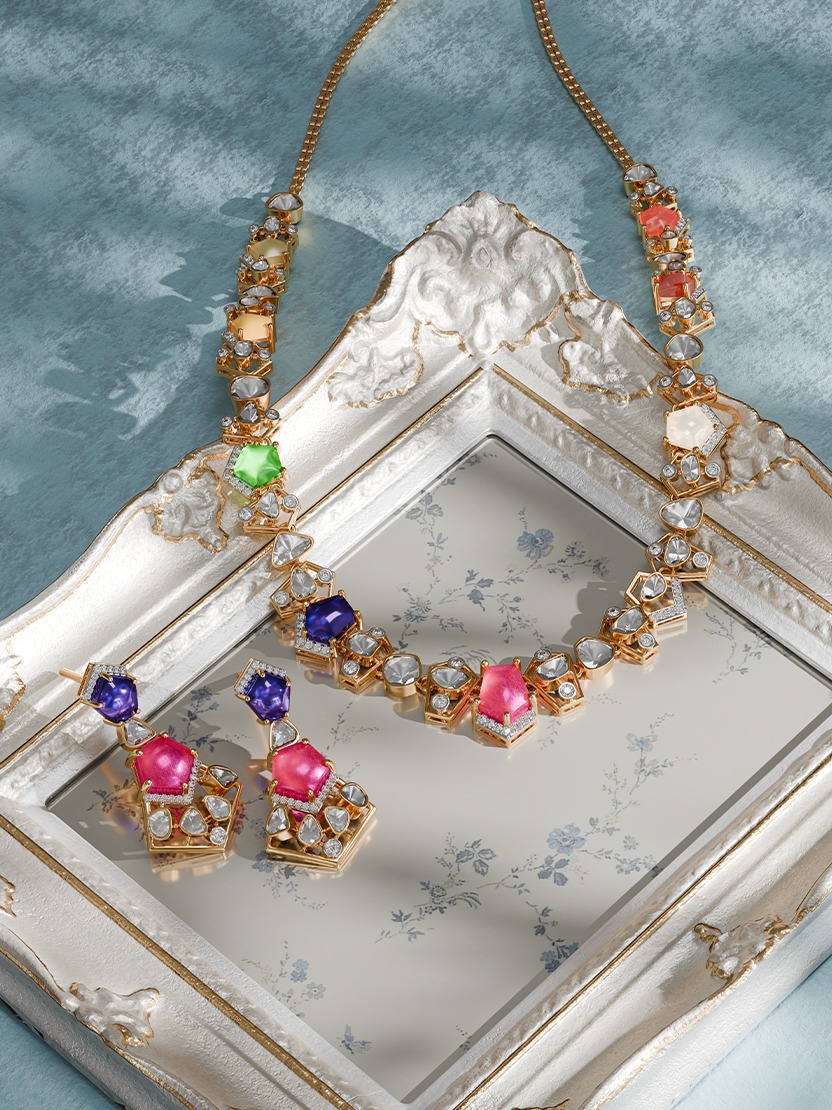
CaratLane’s Polki range is crafted in 14KT gold with natural diamonds and gemstones, and it includes earrings, necklaces, pendants, rings, and bracelets. Rather than elaborate bridal sets, the range leans toward individual pieces that can be worn on a range of occasions: a pair of Polki diamond earrings for a festive dinner, a Polki necklace with a saree, and a Polki gemstone ring worn as a personal statement piece.
The price range reflects this versatility: entry-level pieces start at ₹20,000, while more elaborate designs can cost up to ₹4,00,000. These carry the essential character of the style, natural diamonds in gold, with the warm, organic glow that defines modern Polki jewellery, in a form that suits both bridal occasions and everyday life.
For first-time buyers drawn to the Polki aesthetic but not ready to commission traditional handcrafted pieces, CaratLane’s Polki jewellery range offers an accessible, certified, and genuinely beautiful entry point.
Which Jewellery Style Should First-Time Buyers Choose?
The right choice depends on a few practical considerations that are worth thinking through before browsing.
Budget is the most important filter. If the budget is limited, Kundan, with its quality glass stones, offers traditional beauty at an accessible price. If the budget extends to natural diamonds, Polki offers long-term value alongside its aesthetic appeal.
Outfit compatibility is the second consideration. Colourful, richly embellished outfits suit Kundan’s vivid stone palette. Neutral, pastel, or ivory outfits suit Polki’s understated diamond glow.
Frequency of use matters too. If you are buying for a single occasion, the investment dimension of Polki is less relevant, and Kundan makes more practical sense. If you want a piece that can be worn across multiple occasions and potentially kept for decades, Polki is the stronger long-term choice.
Bridal vs festive wear distinctions also apply. For the wedding day itself, both styles work beautifully. For festive occasions, sangeet, and functions where statement jewellery is wanted without the full bridal investment, Kundan is the more common and practical choice.
There is no universally correct answer to the question of Kundan vs Polki for a first-time buyer. There is only the answer that suits your specific occasion, your budget, your outfit, and your personal sense of what you want to be wearing when it matters most.
The Right Choice Is the One That Fits Your Story
Kundan and Polki are both expressions of the same deep tradition — Indian jewellery craftsmanship at its most considered and most beautiful. What separates them is not quality but character: the vivid colour of Kundan against the warm, organic glow of Polki; the accessibility of one and the investment dimension of the other.
For a first-time buyer, the most useful question is not “which is better?” but “which is right for this occasion, this outfit, and this budget?” Answer those three questions honestly, and the choice becomes considerably clearer.
Whether you are drawn to the colourful richness of gold Kundan jewellery or the understated heritage of Polki diamond jewellery, both deserve to be chosen with understanding rather than assumption. That understanding is what turns a purchase into something worth keeping.
FAQs
- What is the difference between Kundan and Polki jewellery?
Kundan jewellery sets gemstones or high-quality glass stones into gold foil frameworks using a traditional technique originating in Mughal-era India. Polki jewellery sets uncut natural diamonds in gold using handcrafted methods. The stone is the defining difference: gemstones or glass in Kundan, natural uncut diamonds in Polki.
- What is Polki jewellery made of?
Polki jewellery is made using natural, uncut diamonds set in gold. The diamonds are not faceted or polished in the conventional sense — they retain their original form, giving the jewellery its characteristic soft, organic glow.
- What is Kundan jewellery?
Kundan jewellery is a traditional Indian style in which stones are set into a gold-foil framework built on a lac base. The technique produces pieces with a flush, rich appearance, often featuring meenakari enamel work on the reverse side.
- Which is more expensive: Kundan or Polki?
Polki jewellery is generally more expensive because it uses natural, uncut diamonds. Kundan ranges more widely in price depending on whether it uses genuine gemstones or quality glass stones.
- How is Polki jewellery made?
Polki jewellery is handcrafted by setting uncut natural diamonds individually into gold frameworks, with small foil pieces often placed beneath the stones to enhance luminosity. Each stone’s irregular natural shape means every piece requires individual attention from the craftsman.
Suggested Reading:
Modern Polki Jewellery Style Guide – Launching CaratLane’s Collection
Top Polki Earring Designs for Indian Brides and Bridesmaids