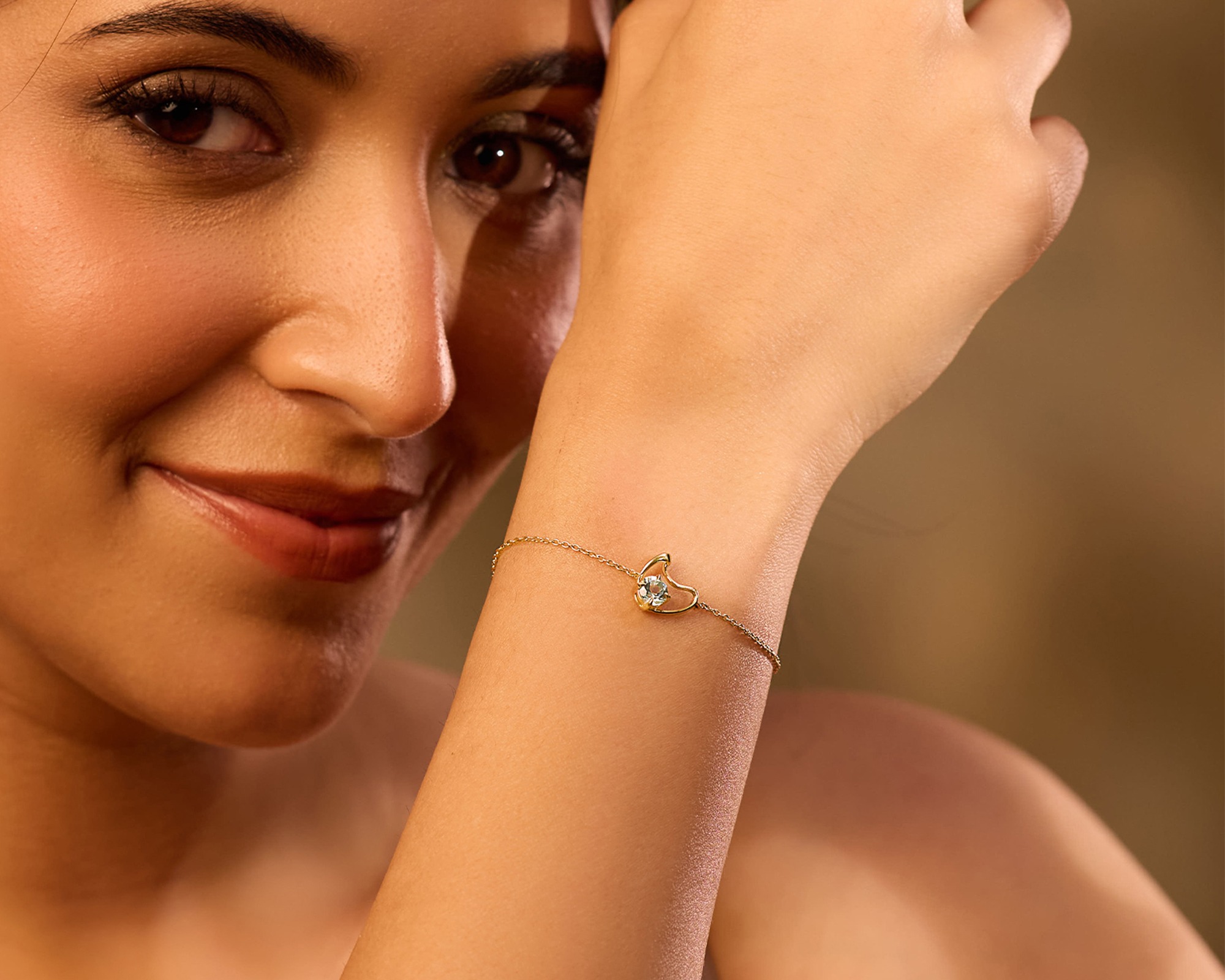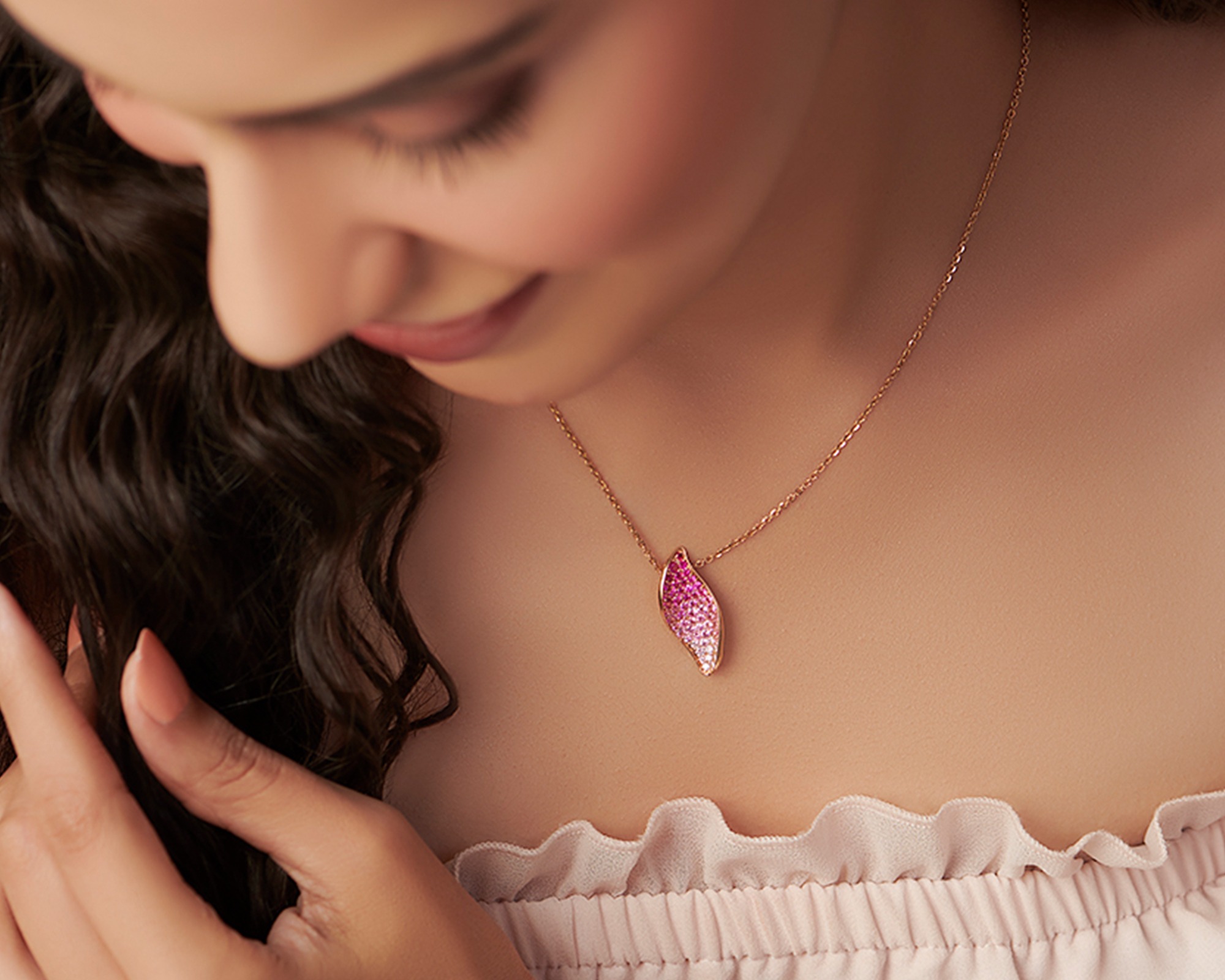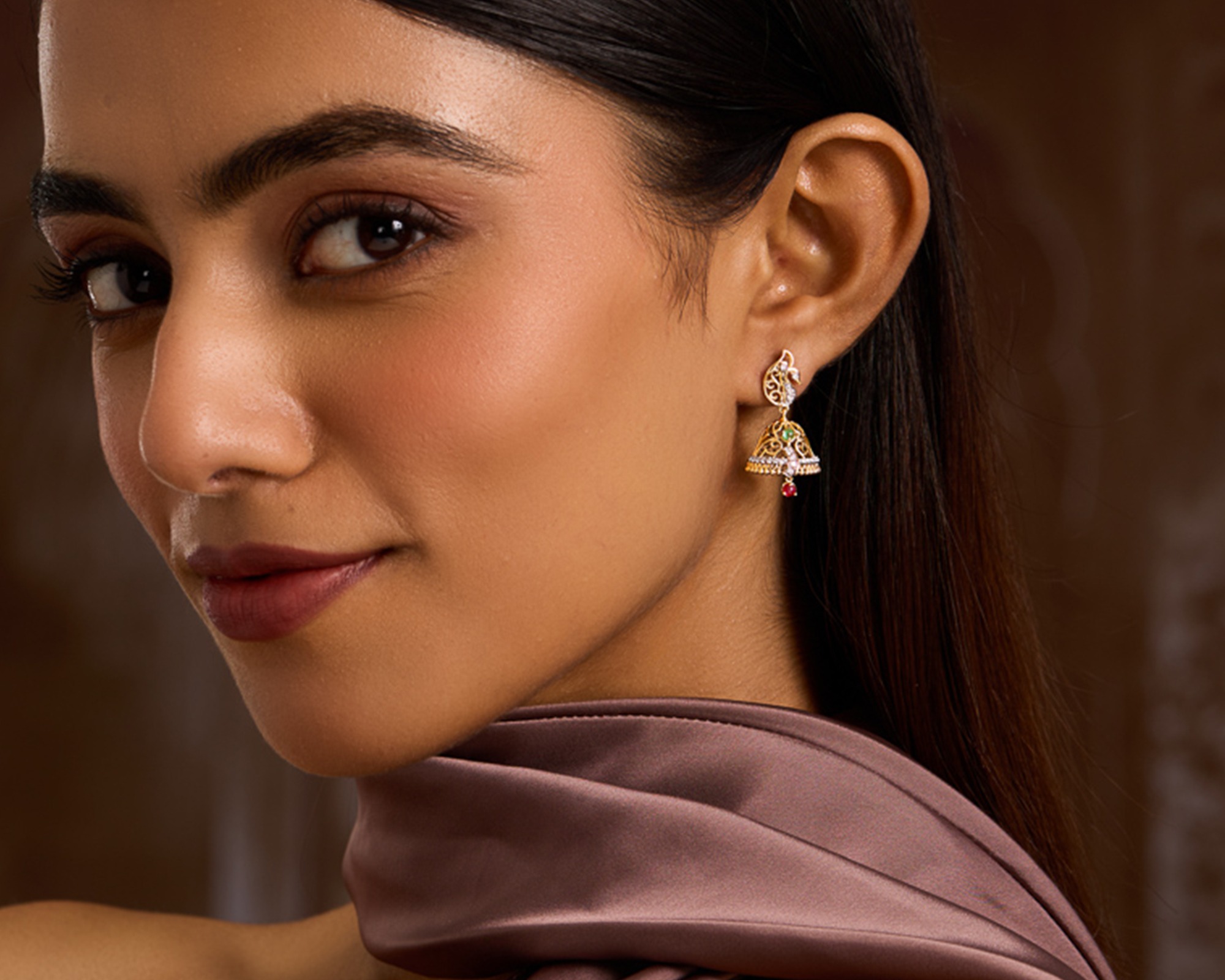

Every day, millions of people search for the gold rate — and most of them are wrestling with the same question. Should I buy now, or wait a little longer? What if the price dips next week? What if it climbs further and I miss my moment?
The dilemma is understandable. Gold is not an impulse purchase. Whether you are buying a piece of jewellery for a wedding, investing in something tangible, or simply following a family tradition of buying on an auspicious occasion, the gold price of the day matters, and so does the context around it.
This guide will not tell you exactly when to buy. No one can do that with certainty. What it will do is give you the tools to make a confident, informed decision: an understanding of how gold prices move, when they have historically been lower, what to check before you buy, and how to think about gold as both a financial asset and something you can actually wear.
Check the current gold rate on CaratLane today.
Gold Rate Today & Market Trends: What’s Really Happening?
Before making any purchase decision, it helps to understand what is actually driving the number you see on the screen — and whether the current moment is part of a larger pattern or an anomaly.
The 22kt gold price today stands around ₹12,587 per gram. That number, however, is only meaningful in context, and context requires looking at how gold has moved over time.
Gold Price Trend in India (Last 1 Week, 1 Month, 6 Months)
The most important thing to understand about gold prices is the difference between short-term noise and long-term direction.
In any given week, the gold rate can shift by ₹200–500 per gram in either direction. These movements are driven by global triggers, including shifts in US Federal Reserve policy, spikes in crude oil prices, currency fluctuations, and geopolitical developments. If you track the gold rate over the last month, you will typically see this kind of volatility playing out in short, jagged movements.
The gold price over the last 6 months tells a more useful story. Over a six-month window, the underlying trend becomes clearer, and for Indian gold, that trend has historically been upward, punctuated by occasional corrections. The gold rate over the last 3 months often captures a middle picture: enough data to see direction, close enough to be relevant to an imminent purchase decision.
The practical takeaway: short-term dips are real but hard to predict and often short-lived. If you are watching the gold rate graph in India hoping to catch the lowest possible point, you are likely to spend more time waiting than the price difference warrants, particularly if your purpose is jewellery rather than a speculative investment.
For live trend data updated daily, visit: CaratLane Gold Rate
Will the Gold Rate Decrease in the Coming Days in India?
This is one of the most-searched questions in the gold-buying journey, and it deserves a direct, honest answer.
No one can reliably predict short-term gold price movements. Anyone claiming otherwise is speculating, not advising.
What we can say with confidence is that the factors driving gold price predictions this week, such as global demand, inflation data, currency strength, central bank activity, and geopolitical events, are interconnected and volatile. The expected gold rate in the coming days is genuinely uncertain.
Will the gold rate decrease in India in the coming days? Possibly, temporarily. But the longer-term trajectory of gold in India has been consistently upward. A short-term dip, if it comes, is rarely large enough to justify indefinitely delaying a purchase you have already decided is right for you.
Will it decrease significantly enough in the coming days to matter? History suggests that trying to time a purchase around small daily fluctuations adds more stress than it saves money. If you are buying jewellery, the making charges and GST often represent a larger variable than a ₹200 movement in the gold rate.
The “When” Factor: Best Time, Day & Season to Buy Gold
If precise market timing is unreliable, there are still meaningful patterns in when gold is more or less expensive in India. Understanding these patterns is more useful than watching daily price tickers.
Best Day to Buy Gold in a Week
The question of which day is good to buy gold is one where tradition and practicality pull in different directions.
In many Indian communities, Tuesday is considered inauspicious for gold purchases, a belief rooted in the association of Tuesday with Mars, considered a harsh planet in Vedic astrology. Can we buy gold on Tuesday? reflects this widespread cultural hesitation.
In practical terms, the day of the week has no measurable effect on gold prices in India. From a financial perspective, the best day to buy gold is simply the day when the price is lower, determined by global market movements, not the day of the week. The cultural dimension of this decision, however, is entirely valid: if a particular day holds auspicious significance for your family, that matters, and it will not cost you anything financially to observe it.
The best time to buy gold within a day, if you are watching rates closely, is typically after the morning IBJA rate is declared — usually around 12 noon — when the day’s rate becomes clearer.
Best Month to Buy Gold in India
Seasonal patterns are more financially meaningful than day-of-week beliefs and are worth understanding.
The best month to buy gold in India from a price perspective is typically in the pre-festive window — June and July — when demand has cooled from the wedding season, and the Akshaya Tritiya rush has passed. Gold rates in July have historically been lower than those seen in October–November (Dhanteras) or April–May (Akshaya Tritiya), when demand spikes and prices often follow.
A specific month when the gold rate is low is a question without a single fixed answer. Prices depend on global conditions as much as domestic demand, but the June–August window consistently offers a relative dip. If you are planning a wedding purchase later in the year, buying ahead of the peak season is a genuinely useful strategy.
Festive & Auspicious Buying When Culture and Calendar Align
The cultural dimension of gold buying in India is as important as the financial one, and often more so.
Akshaya Tritiya — falling in April or May each year — is one of the most auspicious days for gold purchase in Hindu tradition. The word akshaya means that which does not diminish, and buying gold on this day is believed to bring enduring prosperity. What should we buy on Akshaya Tritiya? Traditionally, gold — in any form, from a small coin to a full jewellery set — is considered appropriate. Even a small purchase on this day is considered auspicious.
Dhanteras, falling two days before Diwali, is the other major gold-buying occasion. Dhanteras gold offers from jewellers are widely available during this period, and the day carries strong cultural significance as a time to invite Lakshmi, the goddess of wealth, into the home. Both occasions typically see price spikes due to demand, which means the best day to buy gold from a purely financial perspective is not Dhanteras or Akshaya Tritiya, but buying on these days carries meaning that transcends the price.
Other auspicious occasions for gold buying include Ugadi, Gudi Padwa, Pongal, and Onam — each regionally significant and culturally important.
Timing is one thing, but what about the value of gold jewellery itself? Is gold an investment or an expense?
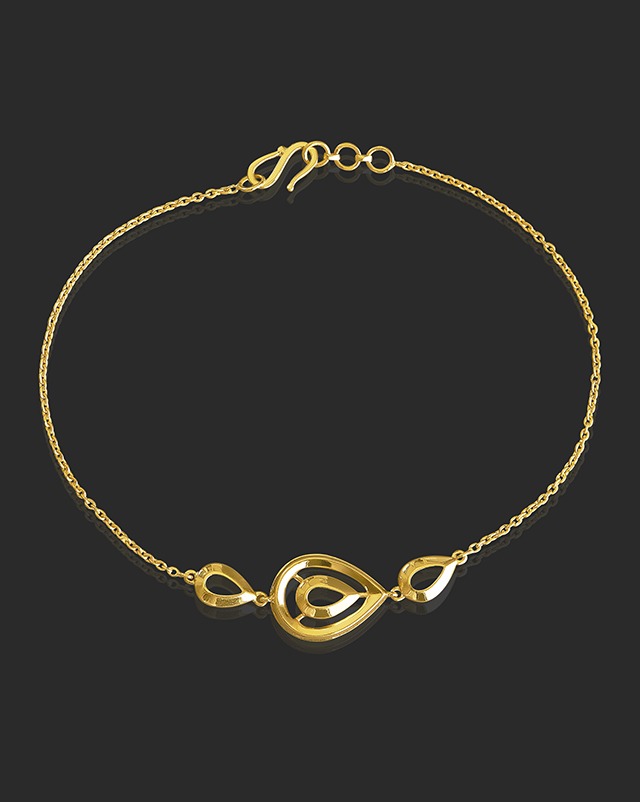
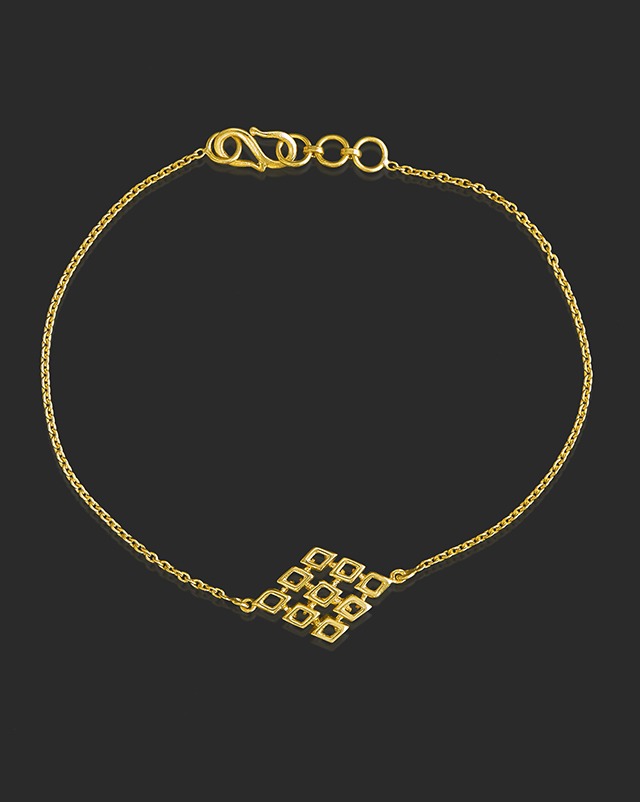
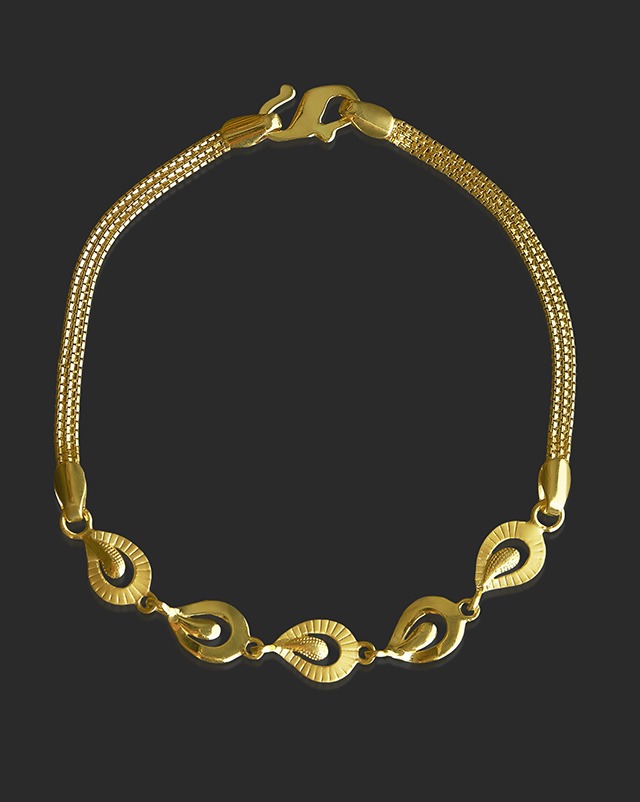
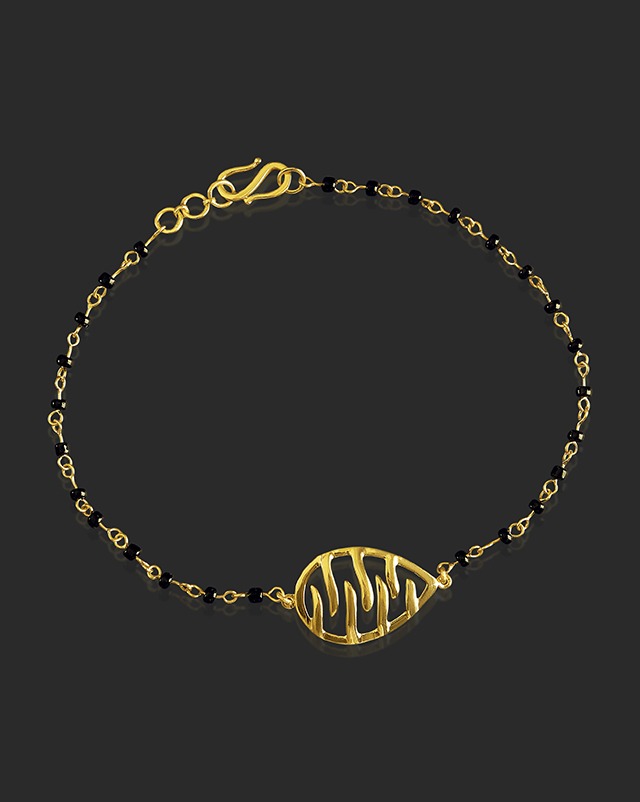
Is Gold Jewellery a Smart Investment or Just an Expense?
The honest answer is: it depends on how you define investment, and whether you are buying something that will sit in a locker or something you will actually wear.
Gold Jewellery vs Investment Gold (Coins, eGold)
Gold investment in India takes several forms, and they are not interchangeable.
Physical gold coins and bars offer the most direct exposure to the gold price, with no making charges, easy liquidity, and simple valuation. Digital gold available through platforms like CaratLane’s eGold adds the convenience of online purchase and storage without the risk of keeping physical gold at home.
Is gold a good investment in jewellery form? The trade-off is clear. Jewellery carries making charges (typically 8–25% of the gold value, depending on craftsmanship) that you do not recover on resale. From a pure returns perspective, coins and digital gold are more efficient.
But gold investment in jewellery form is not only a financial decision, and evaluating it purely on liquidity misses the point.
Why Jewellery is a “Wearable Investment”
The case for jewellery as an investment rests on a different logic from that of coins or eGold.
A well-made piece of gold jewellery has three kinds of value simultaneously: the intrinsic metal value, which moves with the gold rate; the craftsmanship value, which does not; and the emotional value, which is harder to quantify but entirely real.
Gold jewellery bought for a wedding, worn for decades, and passed to the next generation has delivered returns across multiple dimensions. It has served as adornment, as a financial reserve in difficult times (gold jewellery has historically been one of the most liquidated assets during household financial stress in India), and as an heirloom. The making charges, viewed over a 20-year horizon, are a small cost for all of that.
For everyday wear, gifting, and milestones, gold is a good investment in jewellery form, if you approach it with realistic expectations about what you are buying and why.
5 Things to Check Before Investing in Gold Jewellery
This is the part that most buyers skip and later regret. Understanding what you are paying for and how to verify it is the difference between a confident purchase and a nagging doubt.
1. Purity Standards: BIS Hallmark & HUID Number
The single most important thing to verify when buying gold jewellery is the BIS Hallmark. This is the Bureau of Indian Standards certification that guarantees the piece’s gold content is exactly what the jeweller claims.
Since 2021, the government has mandated that all hallmarked gold jewellery carry a HUID number — a six-digit alphanumeric Hallmark Unique Identification number that can be verified on the BIS Care app. This is your primary protection against adulterated gold.
How to check gold purity: Look for the BIS Hallmark triangle logo on the piece, along with the HUID number. Verify the HUID on the BIS Care app to confirm the piece’s registered details. Hallmark gold’s meaning is straightforward: it means the purity has been independently tested and certified.
CaratLane sells only BIS hallmarked gold, which removes this verification step for buyers, but it is worth understanding regardless of where you shop.
2. Understanding the Pricing: Making & Wastage Charges
Making charges are the cost of craftsmanship, the labour and skill that transform raw gold into a finished piece. They are typically expressed as a percentage of the gold value (8–25%, varying significantly by design complexity) or as a flat per-gram charge.
Wastage charges are a related but separate cost, more common in South Indian jewellery markets. They account for gold lost or used up during the manufacturing process and are expressed as a percentage added to the gold weight.
Making charges on gold jewellery do not factor into the buyback or exchange value of the piece; when you sell or exchange, you typically recover only the gold value at the prevailing rate. Understanding this upfront sets accurate expectations.
When comparing jewellers, making charges are often the most significant variable — a piece with the same gold weight can cost substantially more at one store than another based on this alone.
3. Karatage Explained: 18KT vs 22KT vs 24KT Gold
The difference between 18KT, 22KT and 24KT gold is simply the proportion of pure gold in the alloy.
- 24KT gold is 99.9% pure — too soft for everyday jewellery, used primarily in coins and bars.
- 22KT gold is 91.6% pure gold (the rest being copper and silver for hardness) and is the standard for traditional Indian jewellery, particularly in 22KT designs. The 22KT gold price today, at ₹12,587 per gram, reflects this purity level.
- 18KT gold is 75% pure and is used in diamond and gemstone jewellery settings, where the harder alloy better holds stones in place. It is also typically less expensive per gram than 22KT of gold.
- 14KT gold (58.3% pure) is common in lightweight everyday pieces and offers the best durability for daily wear.
Karatage determines the gold rate per gram. Always verify the karat of what you are buying and ensure it matches the price you are paying.
4. GST & Final Billing Breakdown
GST on gold jewellery applies in two layers:
3% GST on the gold value (metal + making charges combined), and 5% GST on making charges separately.
How to calculate the gold price for jewellery:
Final Price = (Gold weight in grams × Gold rate per gram) + Making charges + GST
Using a worked example based on today’s gold rate of ₹12,587 per gram:
- Gold weight: 8 grams of 22KT gold
- Gold value: 8 × ₹12,587 = ₹1,00,696
- Making charges at 12%: ₹12,084
- Subtotal: ₹1,12,780
- GST at 3% on subtotal: ₹3,383
- Final price: approximately ₹1,16,163
This formula gives you a reliable starting point. Actual prices will vary based on the jeweller’s making charge rate and any additional design-specific costs.
5. Resale Value & Buyback Policies
The resale value of gold jewellery in India is typically calculated solely on the basis of the gold content at the prevailing rate on the day of resale, minus making charges that are not recovered.
Gold resale value in India varies by jeweller. Most reputable jewellers offer exchange at current gold rates (sometimes with a small deduction), which is why buying from certified jewellers with transparent exchange policies matters considerably.
CaratLane offers a lifetime exchange on gold jewellery; the piece can be exchanged at the prevailing gold rate at any time, making it a meaningfully safer purchase than buying from an unverified source.
Smart Gold Buying Tips for First-Time Buyers
A few principles that hold regardless of when you buy or what you buy:
- Do not blindly chase the lowest price. A slightly lower gold rate at an uncertified jeweller is not worth the risk of adulterated gold or opaque pricing. The assurance of BIS hallmarking and transparent billing is worth the marginal price difference.
- Compare making charges, not just gold rates. Two jewellers quoting the same gold rate can produce very different final bills depending on their making-charge structures. This is where significant savings can be found.
- Buy according to purpose. Daily wear calls for lower karatage (14KT or 18KT) for durability. Occasion wear and investment pieces work better in 22KT. Diamond jewellery is almost always set in 18KT or 14KT gold.
- Choose certified jewellery. BIS hallmarking is non-negotiable. HUID verification is an additional layer of protection that takes two minutes and costs nothing.
These are the gold-buying tips in India that matter most — and they apply whether prices are high or low.
Final Verdict: Should You Buy Gold Now or Wait?
The answer depends on why you are buying.
If You’re Buying for Jewellery
Buy when you need it, for a wedding, a gifting occasion, or a milestone. Do not try to time the market around a purchase that has an emotional or practical deadline. The difference between buying at this week’s rate and next week’s is likely to be smaller than the peace of mind that comes with having the piece ready.
Is it a good time to buy gold for jewellery today? If the occasion is coming up, yes. The right time to buy gold for jewellery is when the jewellery serves a purpose, not when the rate dips by ₹100 per gram.
If You’re Buying for Investment
Track the broader trend rather than daily movements. Consider buying in phases, spreading your purchase across two or three tranches rather than committing everything at once. This approach averages out short-term volatility without requiring you to predict the market.
Should you buy gold now for investment? If you are a long-term holder, decades of evidence support gold as a reliable store of value in India. The best time to start is earlier rather than later, and taking action is better than waiting for a perfect entry point that may not come.
Explore Gold Jewellery & Offers
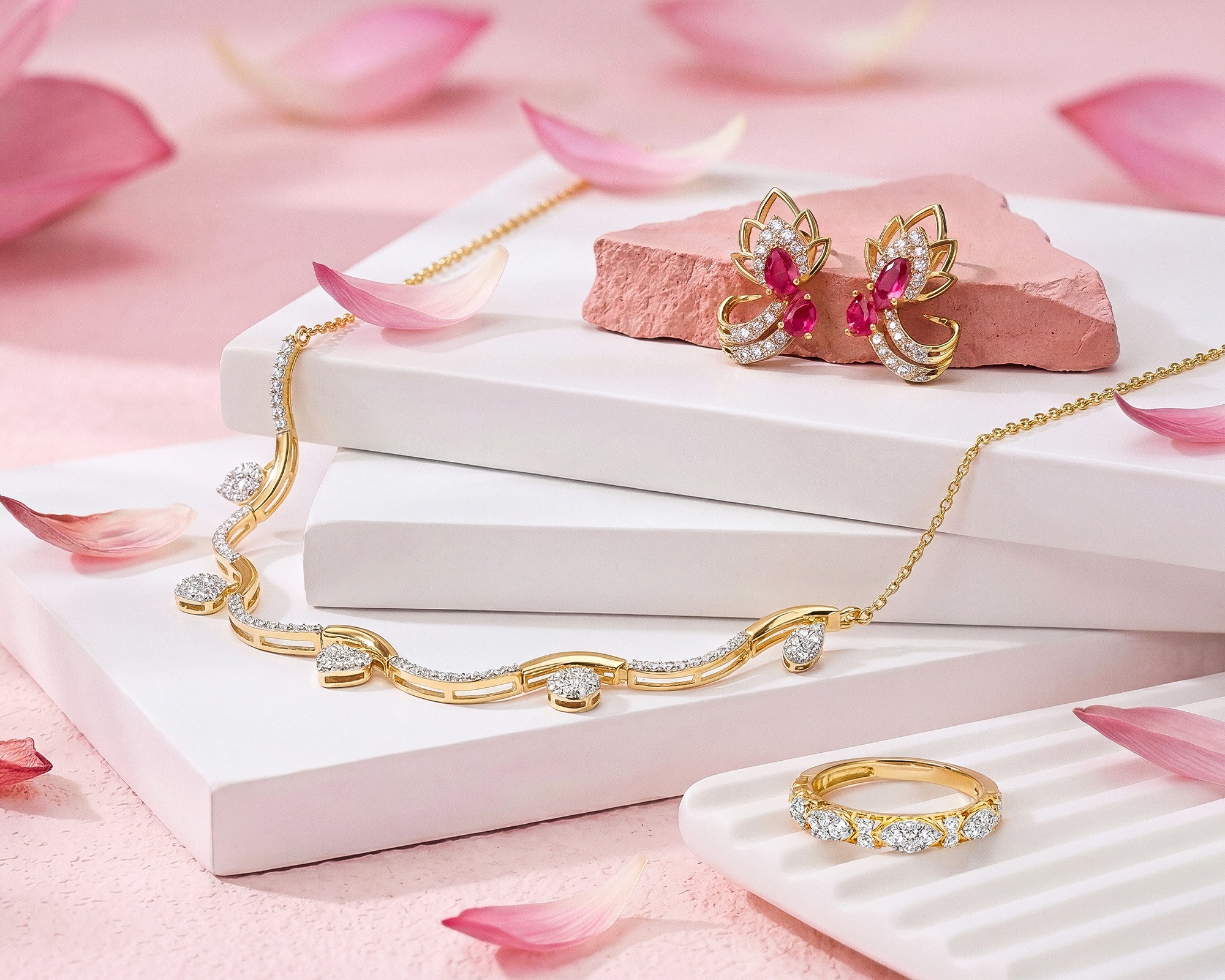
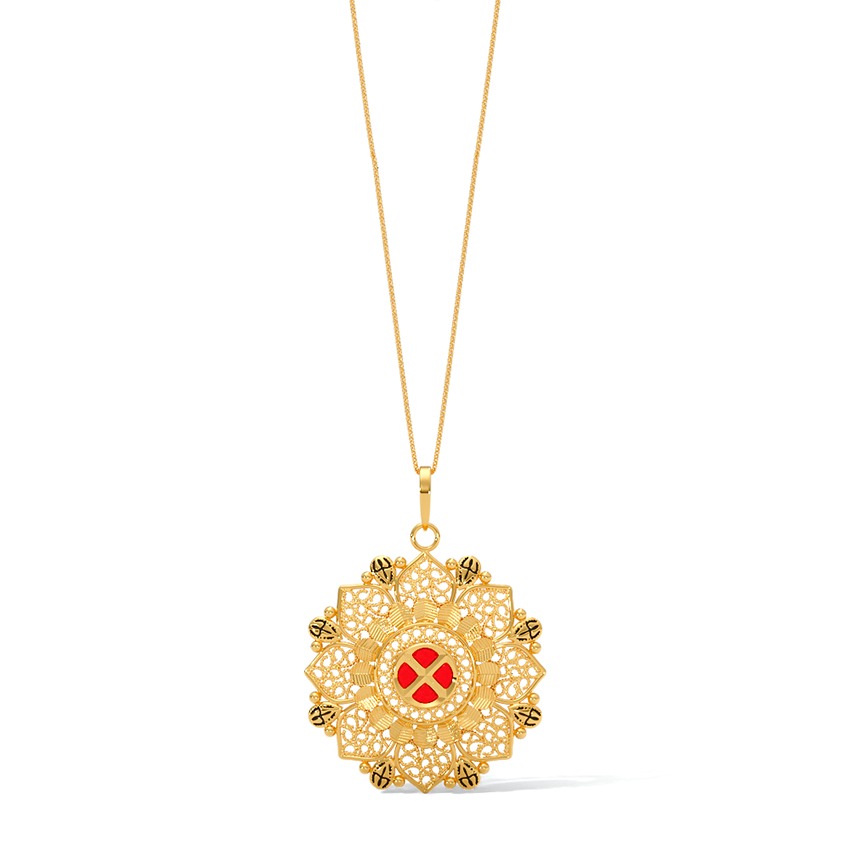
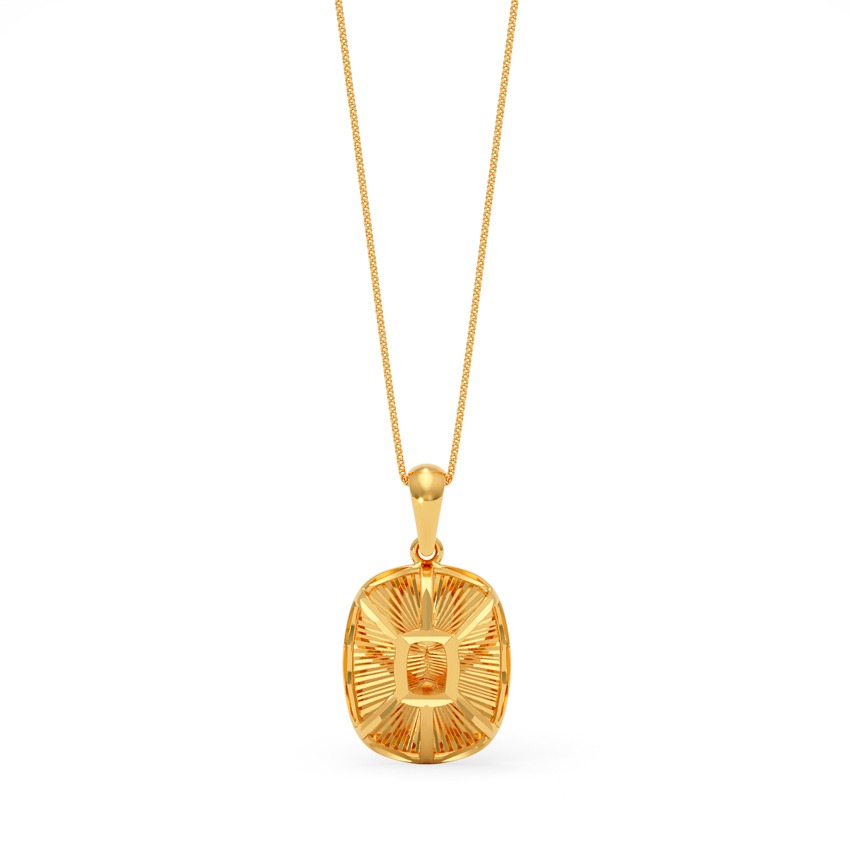
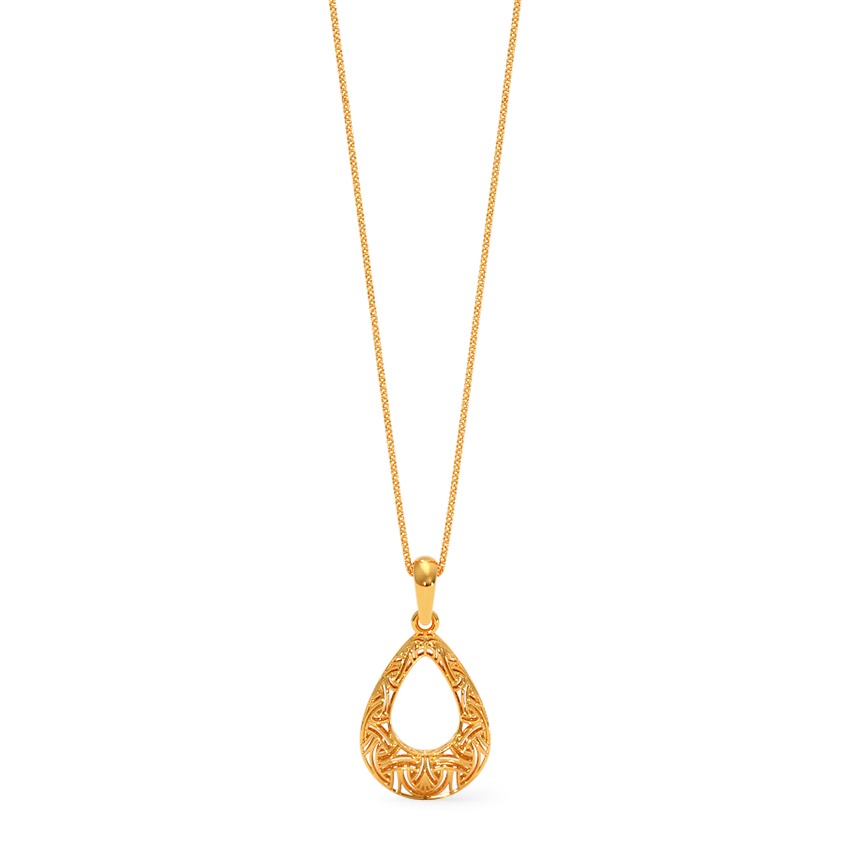
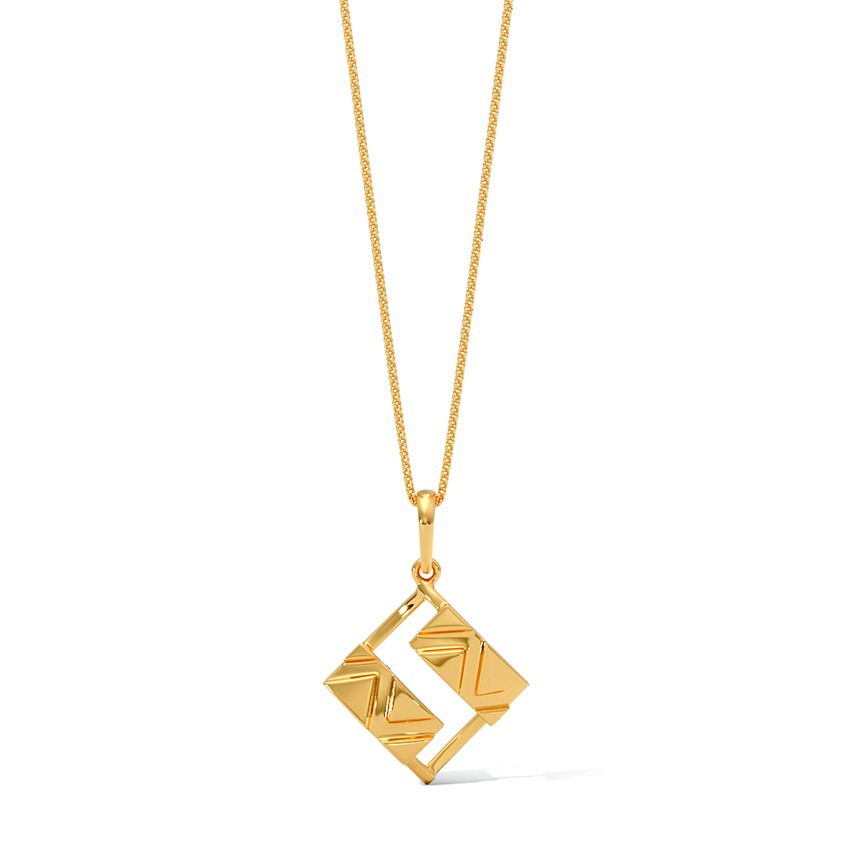
CaratLane’s gold jewellery range covers every purpose and price point — from lightweight everyday pieces starting at 1–2 grams to elaborate occasion sets. Gold offers today, and seasonal promotions are available on the website and in-store.
Planning to buy gold? Check out the latest CaratLane offers on gold and diamond jewellery and make the most of today’s prices.

FAQs
- Is it a good time to buy gold today?
It depends on your purpose. For jewellery ahead of an occasion, buy when you need it — attempting to time the gold price today around small daily movements adds more stress than it saves money. For investment, consider buying in phases rather than waiting for a perfect entry point.
- Will gold prices decrease in India in the coming days?
Gold price fluctuations in the near term depend on global demand, inflation data, currency strength, and central bank activity, none of which follow a reliable schedule. A small temporary dip is possible; a sustained, significant drop is less likely given India’s long-term demand fundamentals.
- What is the best time to buy gold in India?
The best time to buy gold from a price perspective is typically the pre-festive window of June–July, when demand has cooled from the wedding season and before the Dhanteras–Diwali rush begins. Buying ahead of peak demand seasons is more reliably useful than trying to track day-to-day rate movements.
- How do I check gold purity before buying?
Look for the BIS Hallmark certification mark on the piece and note the HUID number — the six-digit alphanumeric code that uniquely identifies the item. Verify it on the BIS Care app to confirm the piece’s registered purity. Buying from a hallmarked jeweller like CaratLane removes this step, as certification is guaranteed.
- How is the price of gold jewellery calculated?
Gold jewellery price = (Weight in grams × gold rate today per gram) + making charges + GST (3% on the combined value, plus 5% GST on making charges). Making and wastage charges vary by jeweller and design complexity — always ask for a full bill breakdown before purchasing.
Suggested Reading:
Buying Gold Jewellery in India: A Complete Guide
Step-by-Step Guide on How to Calculate Gold Jewellery Price