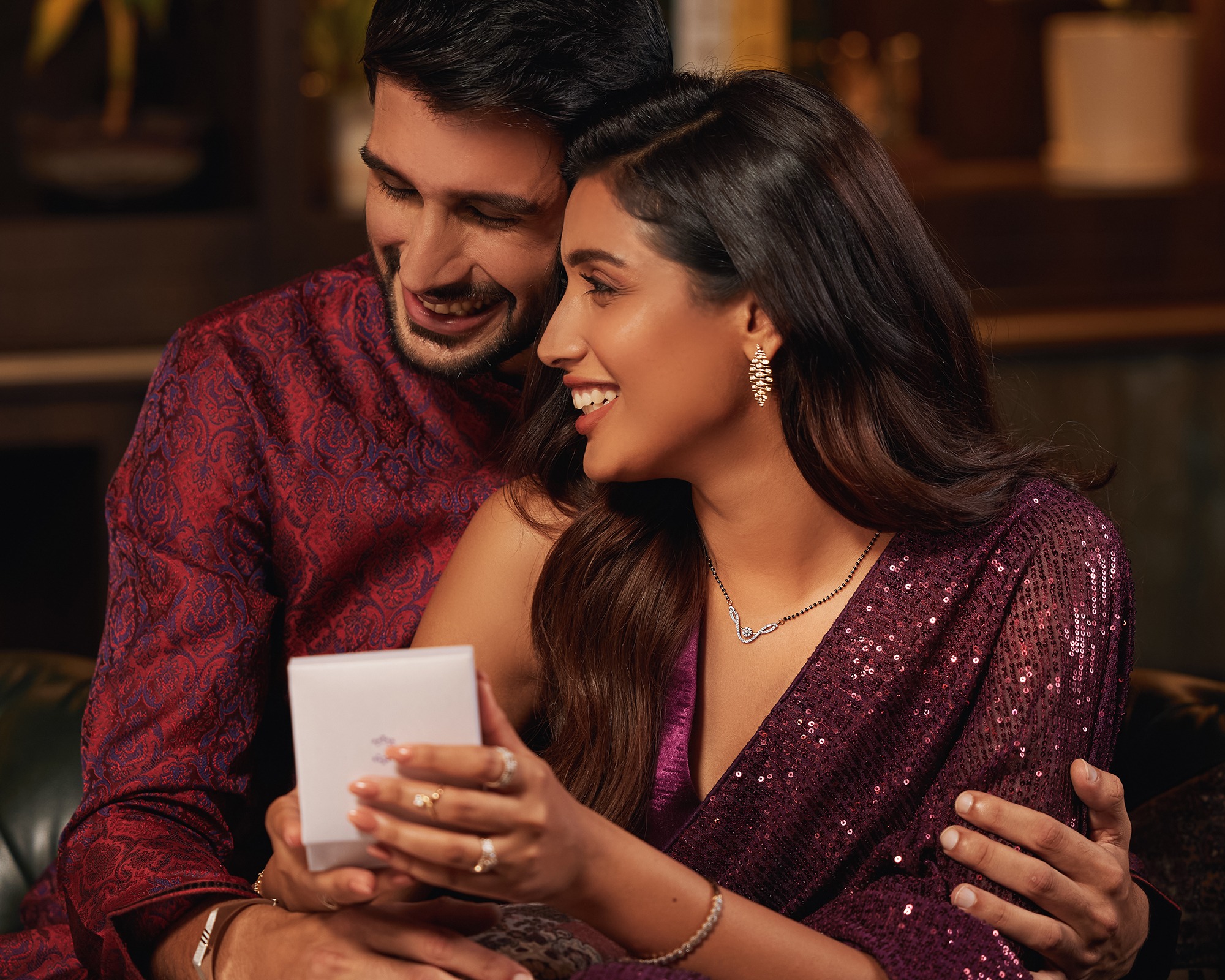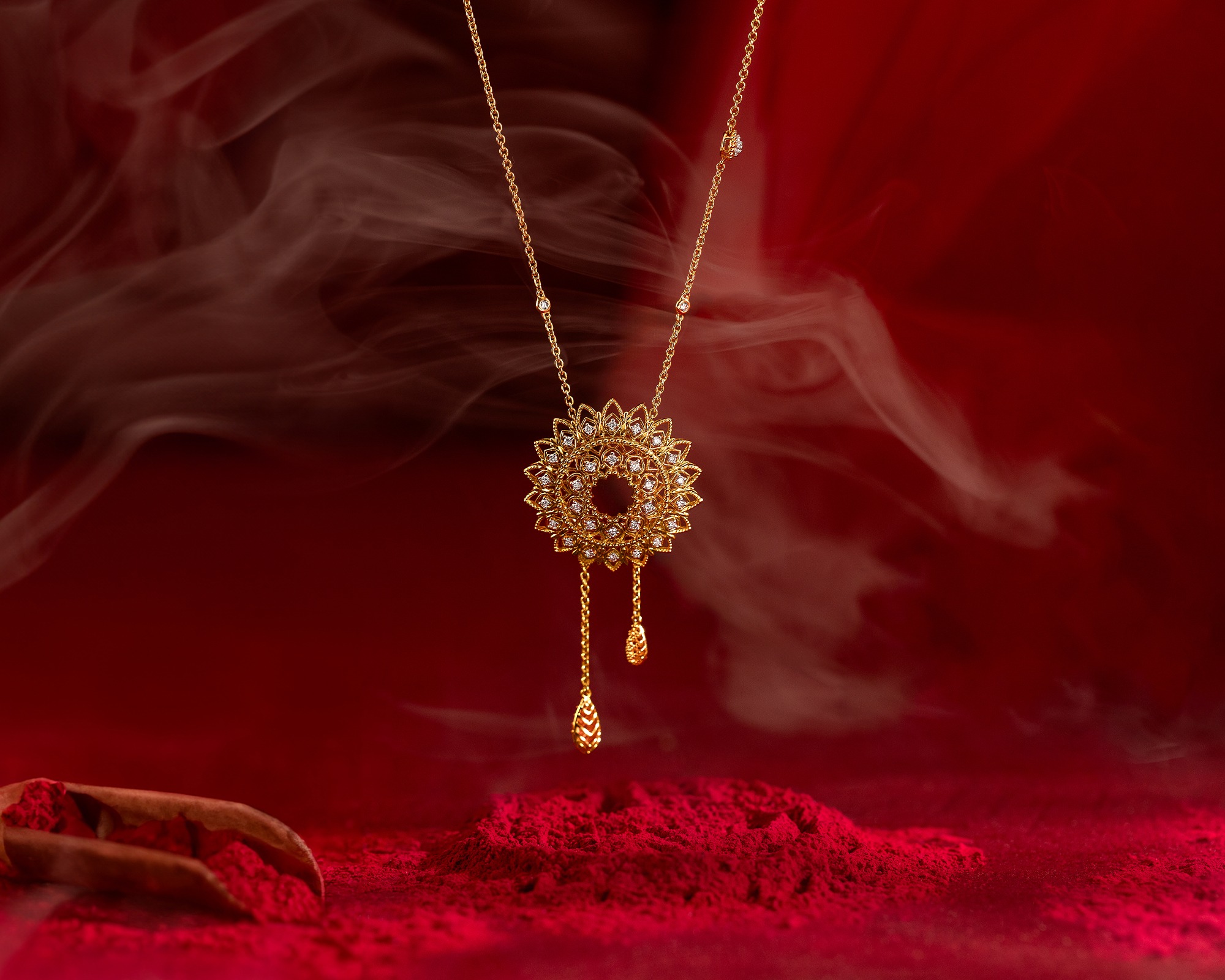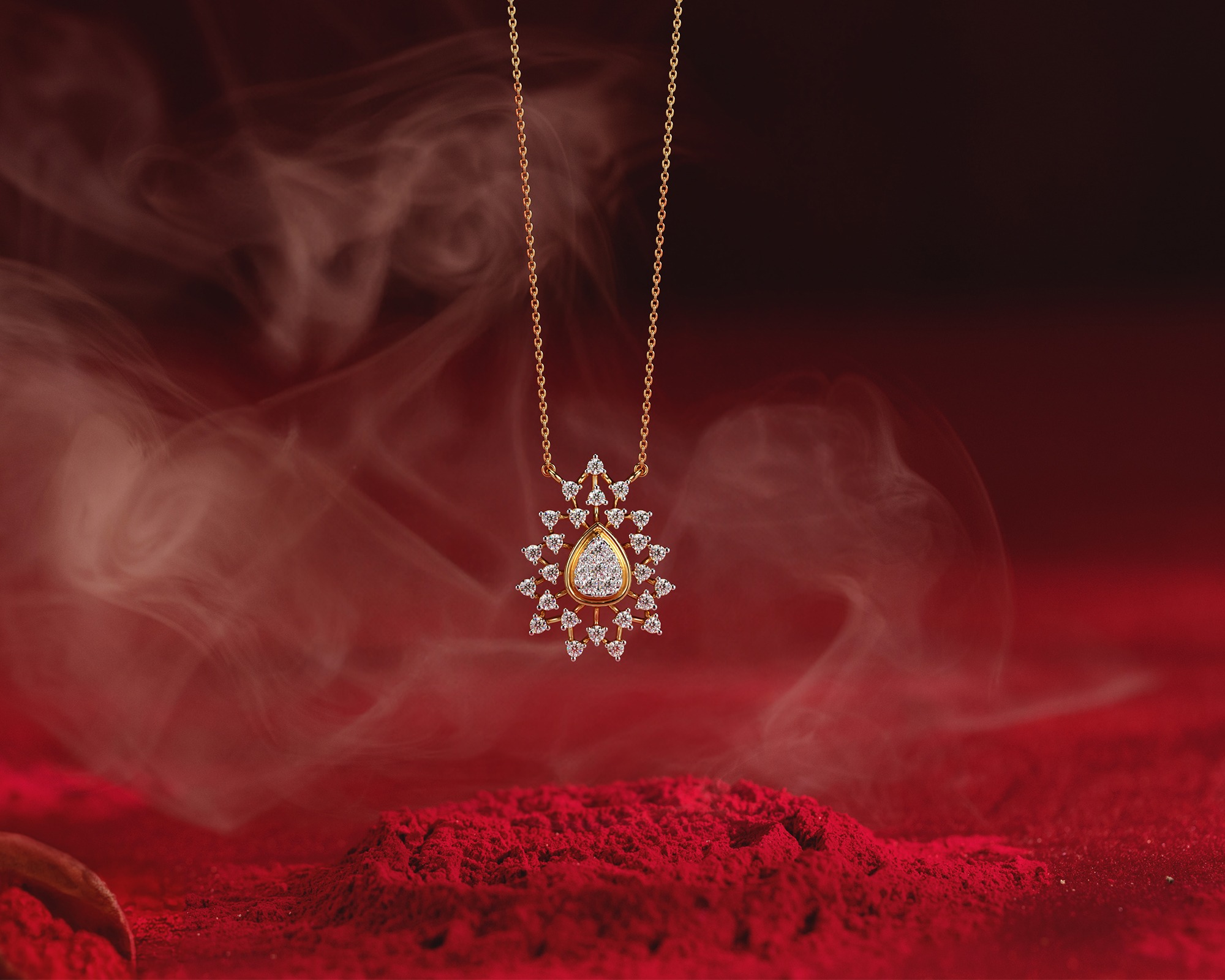
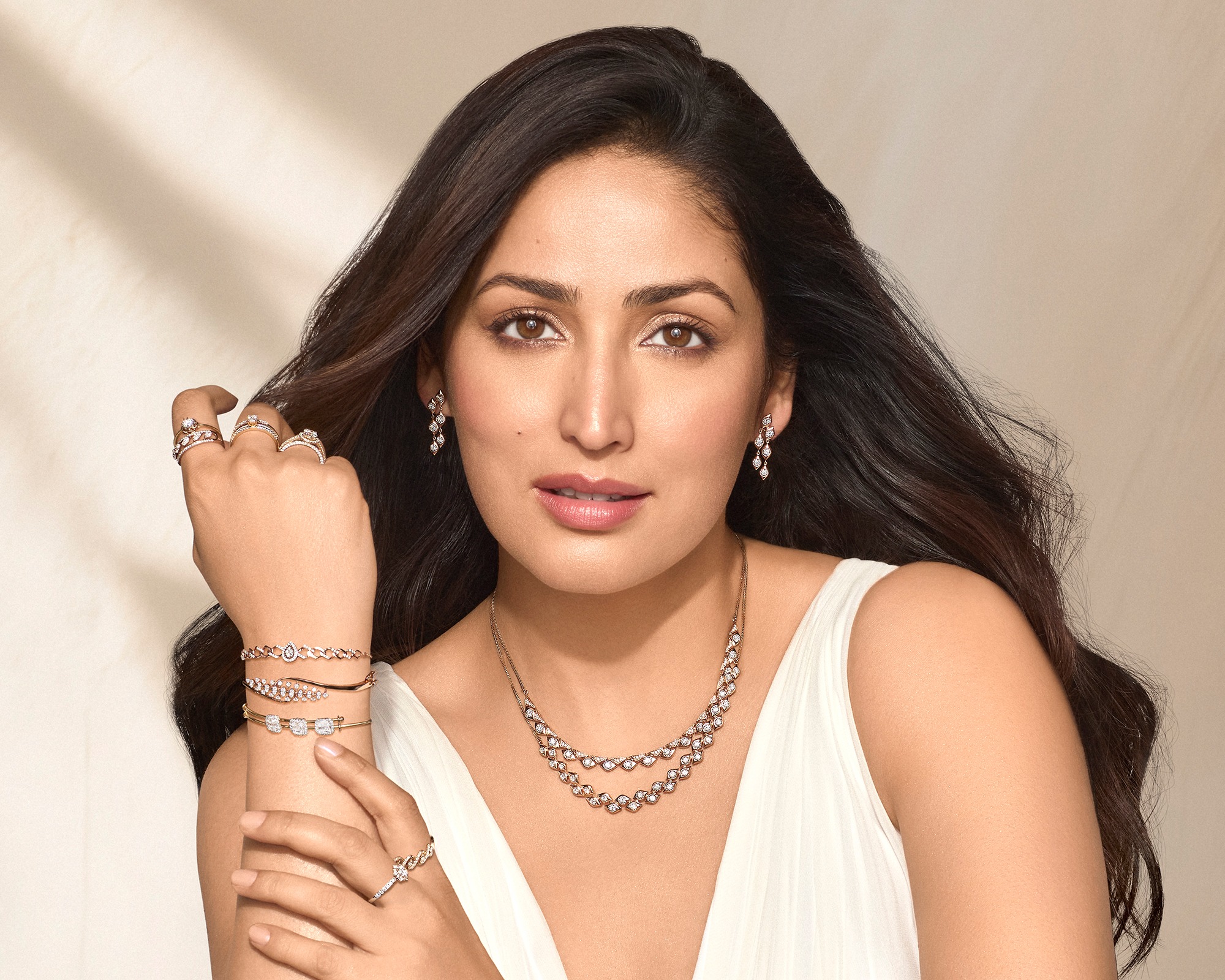
There is a belief, quietly held by many, that natural diamonds are for a certain kind of occasion. An engagement. An anniversary. A milestone so significant that it justifies the expense. For everything else, the ordinary Tuesday, the personal win, the quiet moment of treating yourself, diamonds are somehow out of reach, or out of place.
Heera har heere ke liye. A diamond for every diamond.
The idea is simple: every woman who is a diamond, resilient, brilliant, formed under pressure, deserves to wear one. Not just on the days the world is watching, but in the quieter moments that matter just as much.
This shift in perspective invites us to question a long-held assumption: that natural diamonds are reserved only for grand occasions or substantial budgets. This blog makes the case, both practical and emotional, for why real diamonds can, and should, be part of everyday life.
What Does “Heera Har Heere Ke Liye” Really Mean?
The phrase is more than a tagline. It is a reframing of who diamonds are for, and when.
More Than Jewellery, It’s a Mindset
A diamond is not simply a stone. It is the result of extraordinary pressure, heat, and time, conditions that would destroy most things, but instead produce something of extraordinary beauty and permanence. The parallel to the women who wear them is not accidental.
Heera har heere ke liye positions the diamond not as a reward handed down by occasion or by someone else’s decision, but as something a woman chooses for herself because she recognises her own worth. Because she has shown up, persisted, and kept going. Because she deserves to mark that, even quietly, even just for herself.
The emotional value of diamonds in this context is not about luxury. It is about identity and acknowledgement. A diamond for every girl is not an extravagance; it is a statement of self-recognition that no occasion needs to justify.
Are Natural Diamonds Really Expensive? Let’s Break the Myth
The assumption that natural diamonds are always expensive is one of the most persistent misconceptions in fine jewellery, and one of the most worth challenging.
The Reality of Natural Diamond Pricing
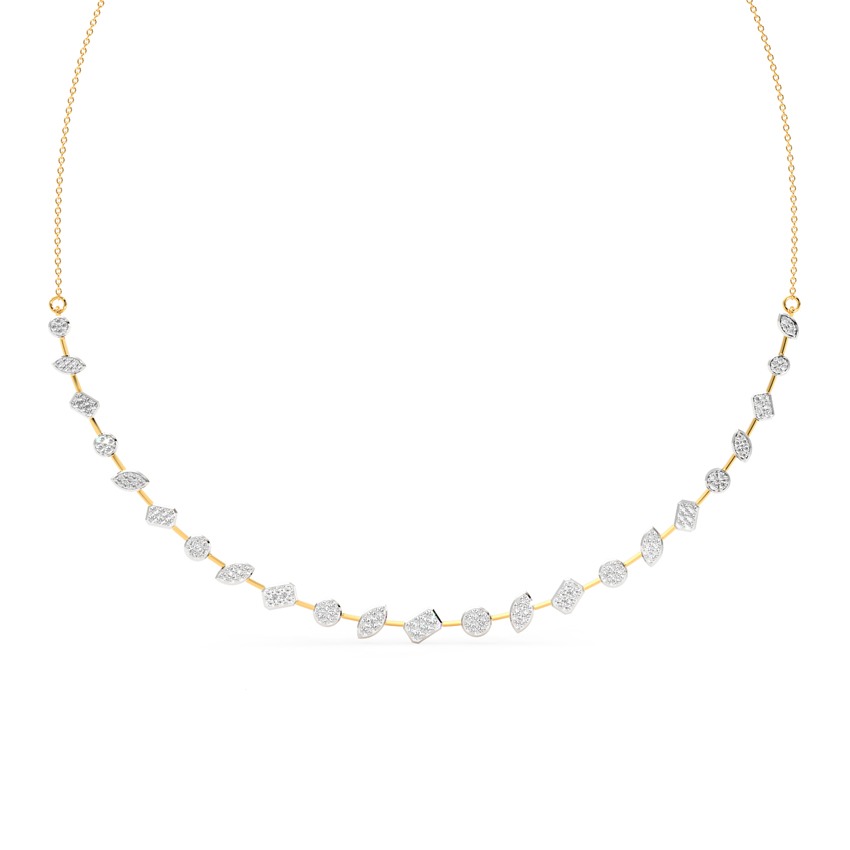
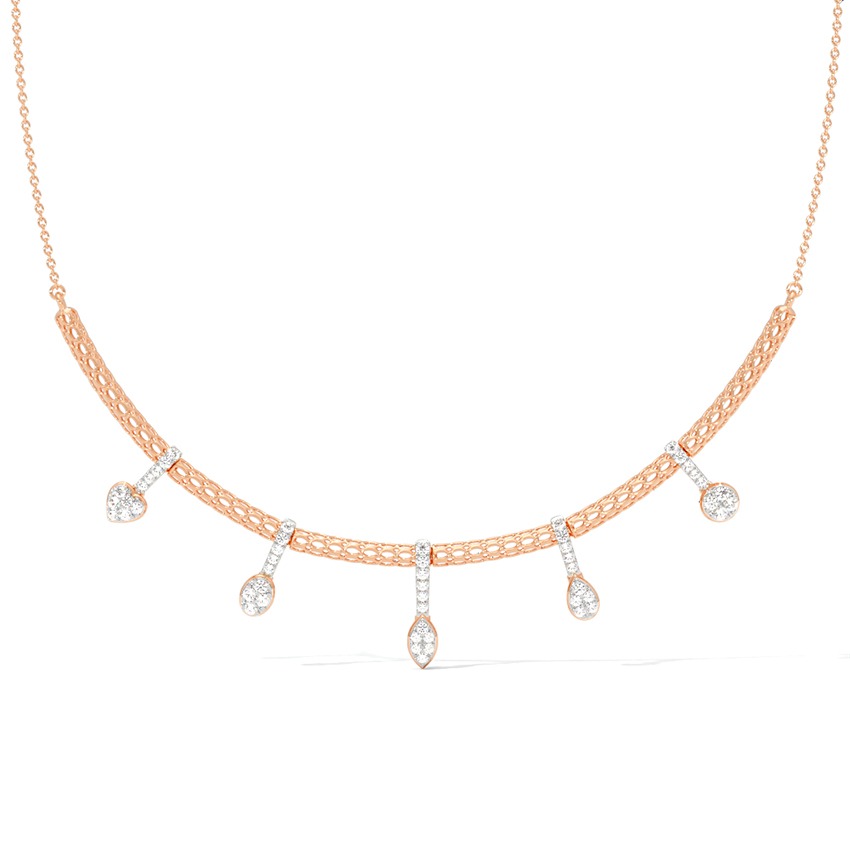
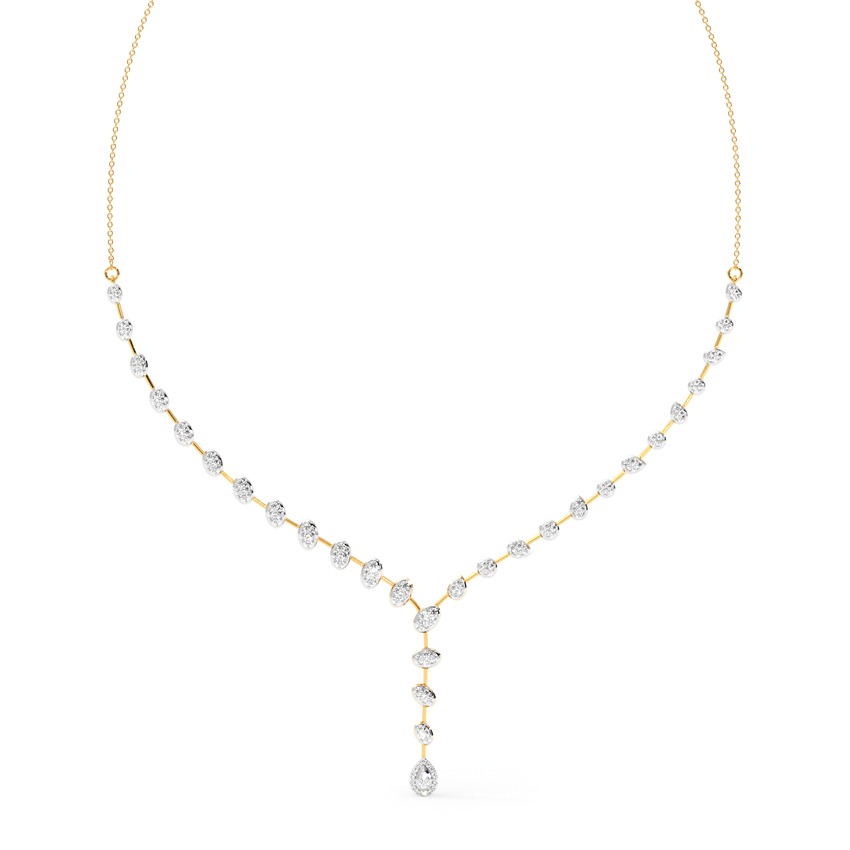
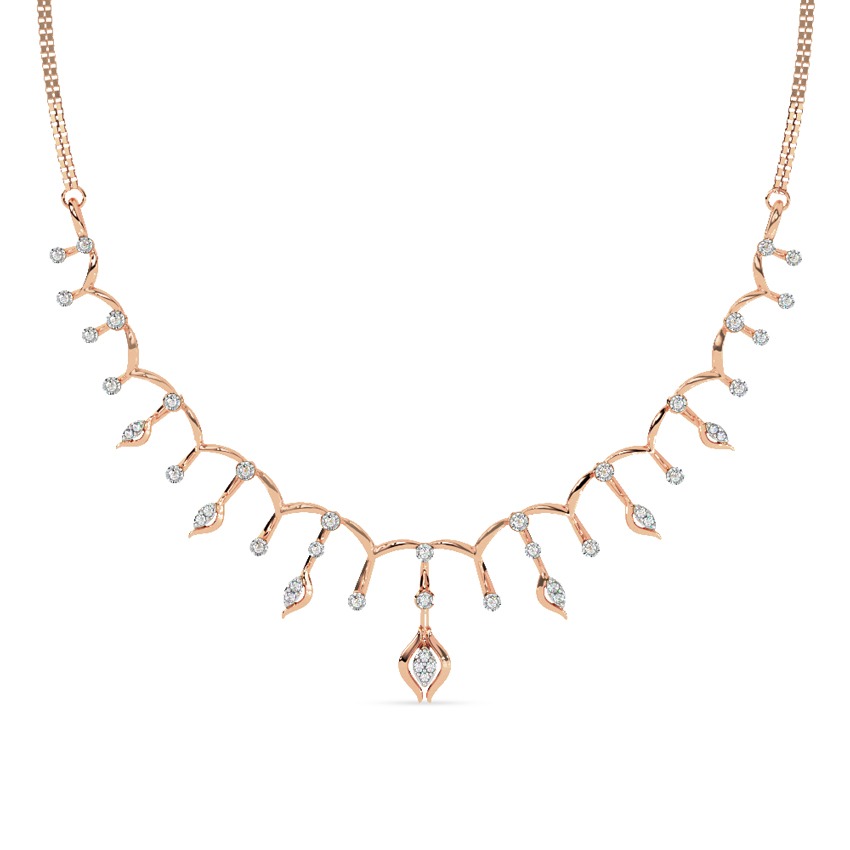
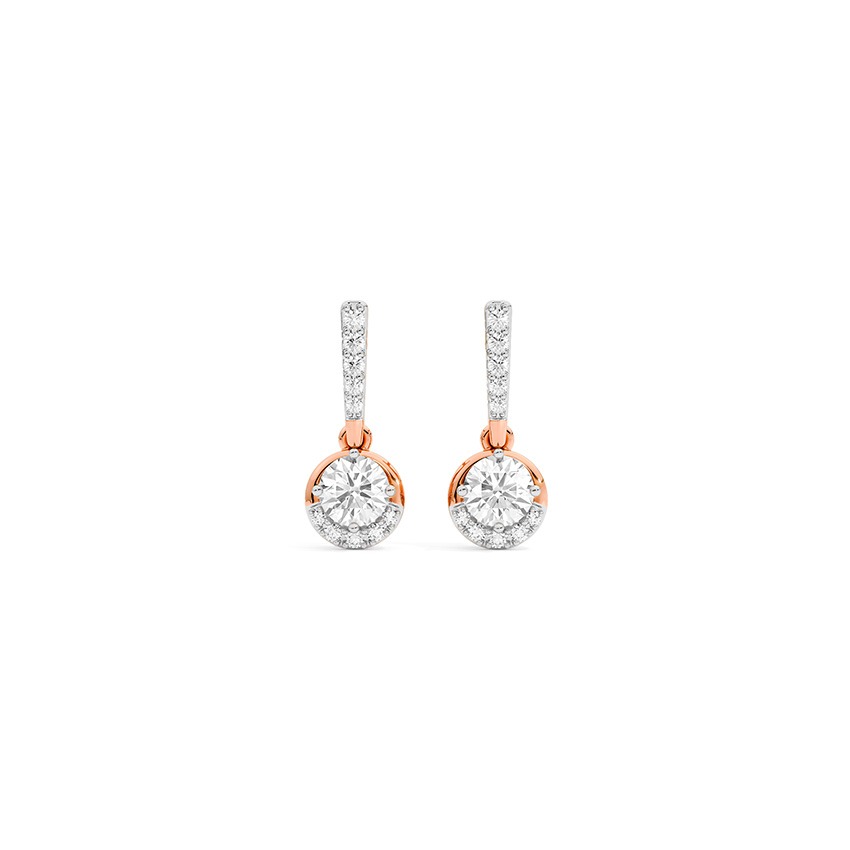
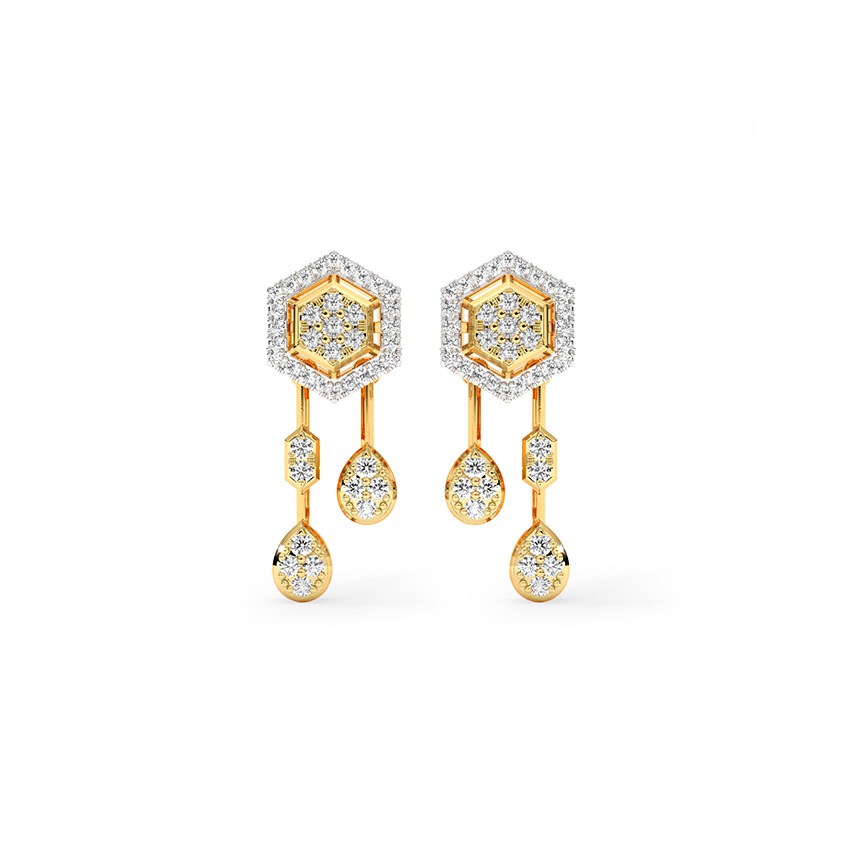
Natural diamond jewellery exists across a remarkably wide price spectrum. The image most people carry, a large solitaire in a platinum setting, represents one end of that spectrum, not the whole picture. A small, well-cut natural diamond set in a simple gold stud, a delicate pendant, or a slim band sits at a completely different price point — accessible to a much broader range of budgets than the category’s reputation suggests.
What drives price is the combination of carat weight, cut, clarity, and colour, and small adjustments across these factors produce meaningful differences in cost with minimal visible impact. A 0.10-carat natural diamond with an excellent cut in a clean setting is genuinely beautiful and affordable.
Affordable Diamond Jewellery Is Now Accessible
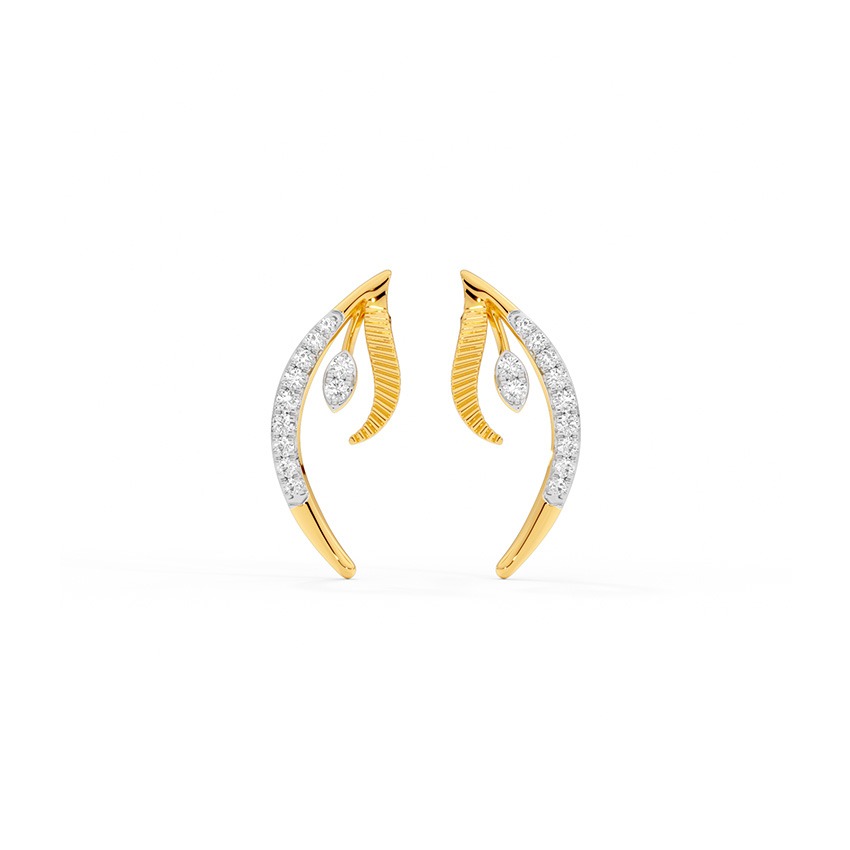
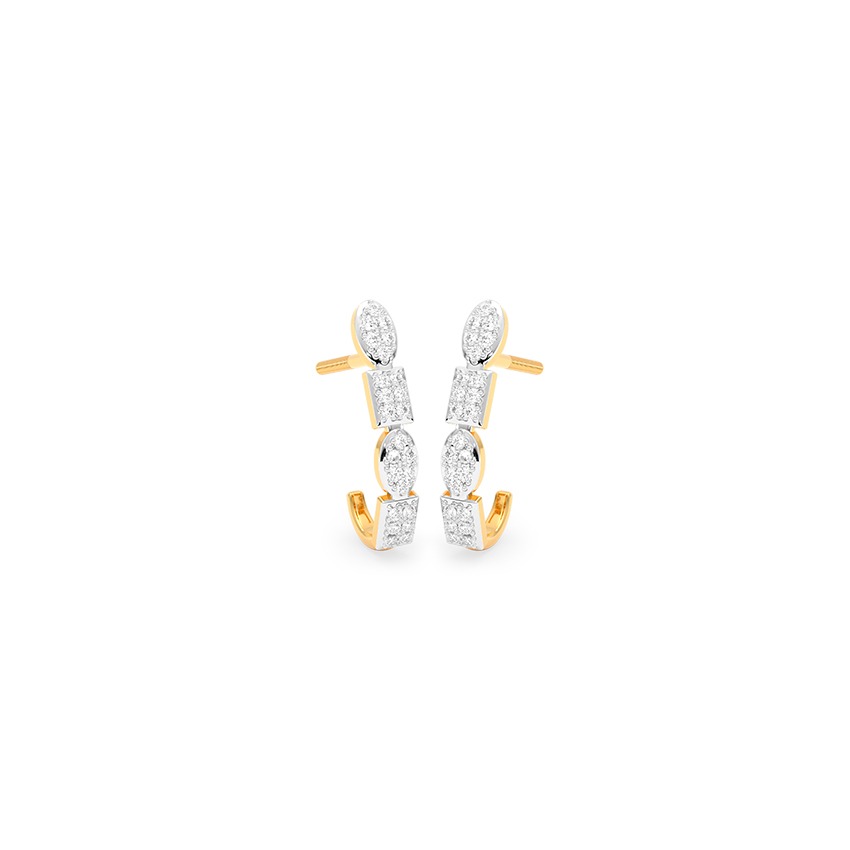
The market for affordable diamond jewellery has expanded significantly, driven in part by design innovation and in part by a shift in how jewellery is purchased. Lightweight settings, smaller stones in elegant configurations, and a move toward minimalist design have all made natural diamond jewellery accessible at entry-level price points that were unusual a decade ago.
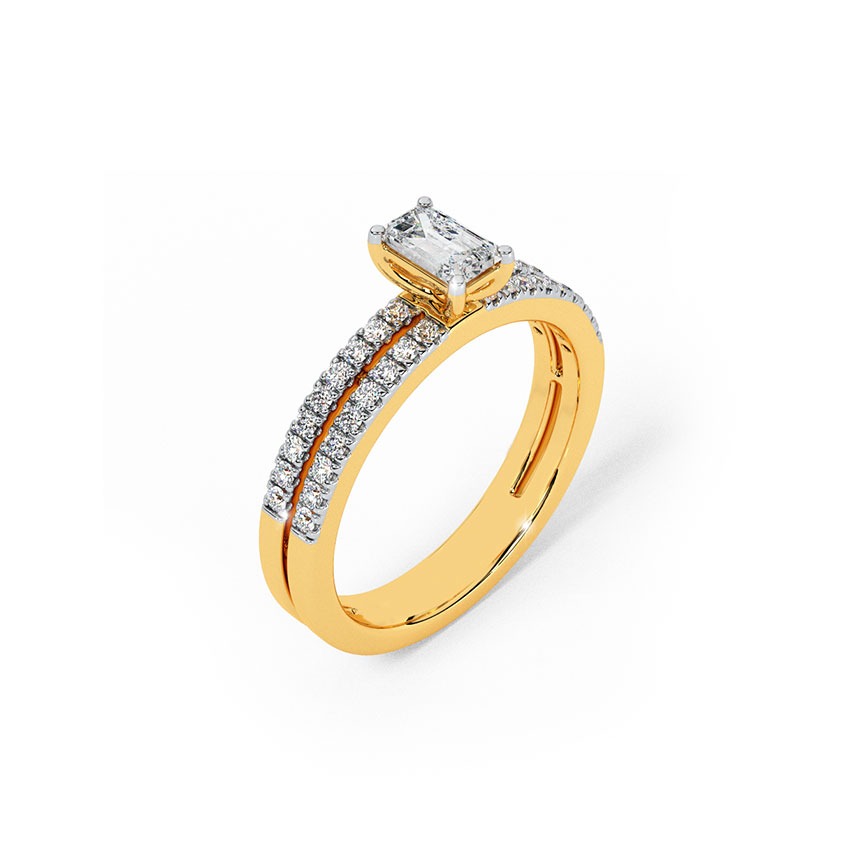
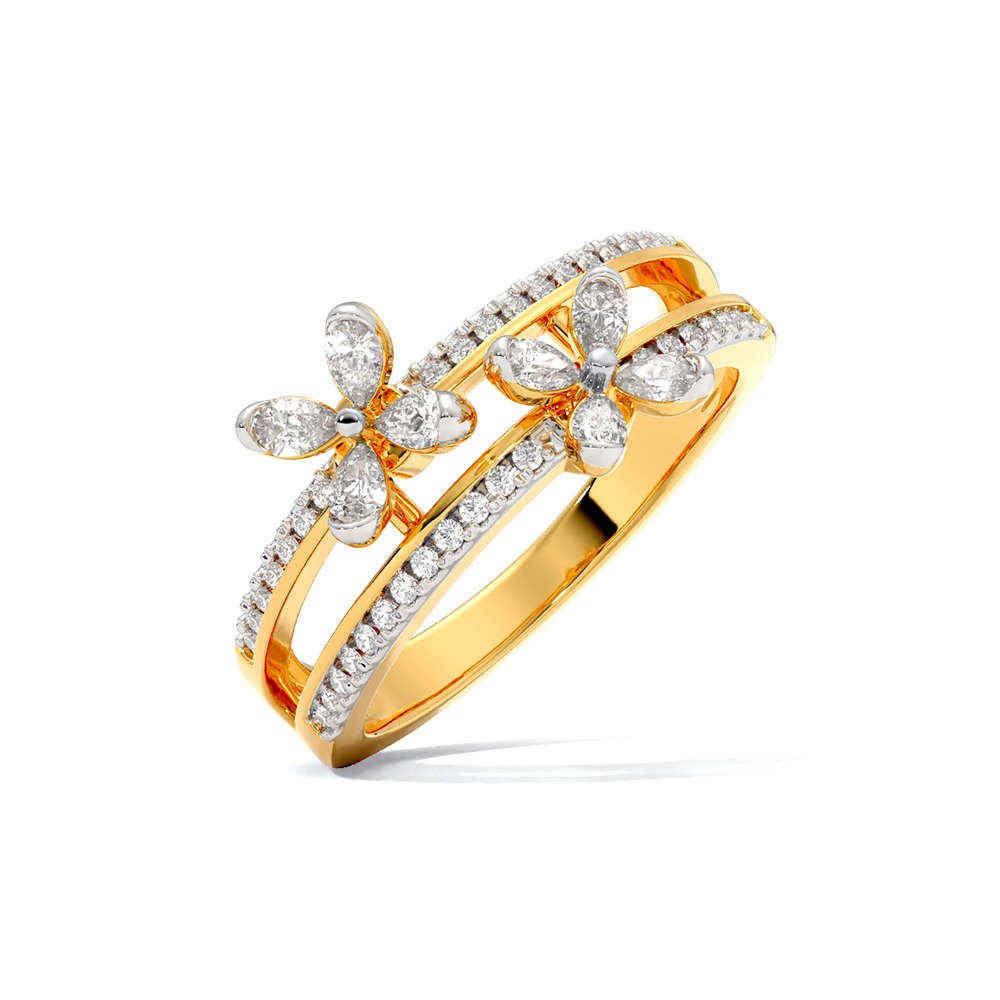
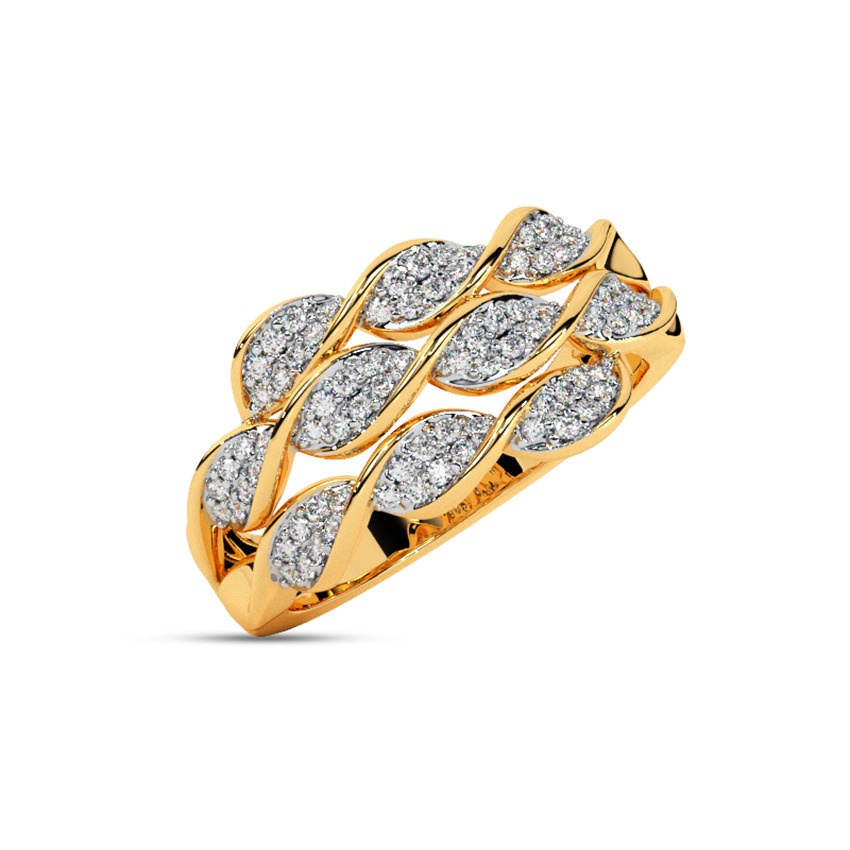
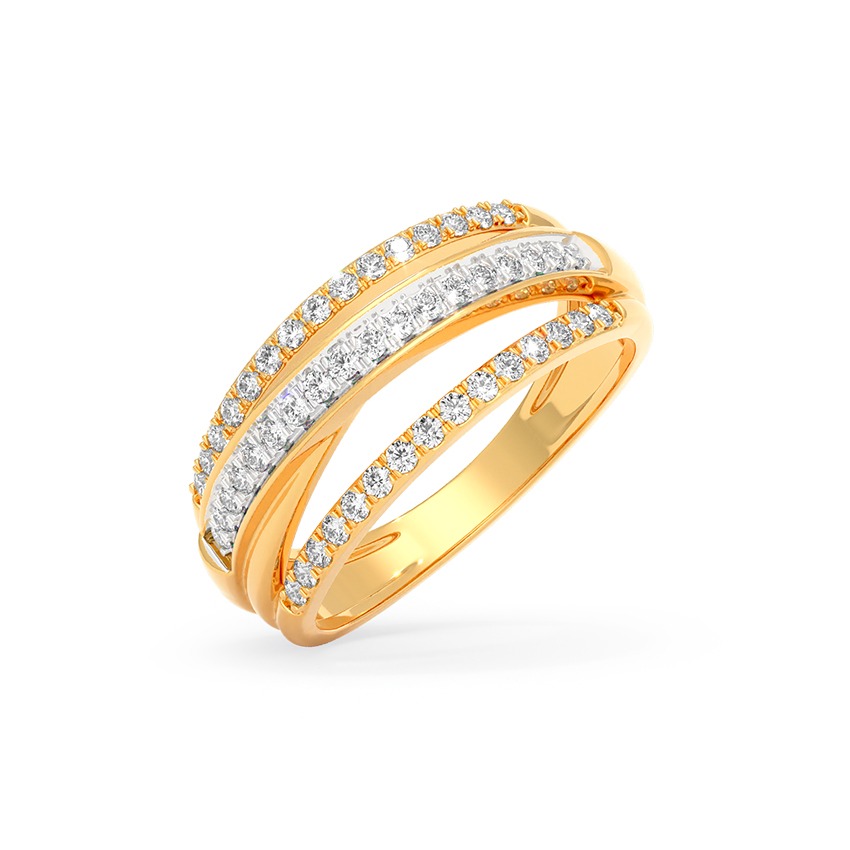
Affordable diamond rings, pendants, and earrings, pieces that can be worn daily rather than saved for occasions, are now a genuine category rather than a compromise. The heera price in India for entry-level pieces starts at a lower level than most people expect, which is perhaps the most important thing this guide can establish.
Real Diamonds vs Lab Grown: Why Natural Still Matters
The conversation around natural diamonds vs lab-grown has become more prominent as lab-grown stones have entered the mainstream. Understanding the distinction helps make a genuinely informed choice.
What Are Real Diamonds?
A real diamond is a natural diamond — formed deep within the earth over billions of years under conditions of extreme heat and pressure. It arrives at the surface through volcanic activity and is then mined, cut, and polished. Its origin is geological and irreversible; no two natural diamonds are identical, and none can be recreated.
Difference Between Real and Artificial Diamonds
Lab-grown diamonds are chemically and physically identical to natural diamonds with the same carbon structure, the same hardness, and the same optical properties. The difference is origin: a lab-grown diamond is produced in a controlled environment over weeks rather than billions of years. It is not a simulant like cubic zirconia; it is a genuine diamond, technically speaking. But it does not convey the geological history, rarity, or long-term value of a natural diamond.
Artificial diamonds or simulants — cubic zirconia, moissanite — are different materials entirely. They may look similar to diamonds, but they are not diamonds by any measure, and they do not hold value over time.
The difference between real and artificial diamonds ultimately lies in their origins, rarity, and what they carry beyond their appearance.
Emotional and Long-Term Value
The case for natural diamonds over lab-grown rests primarily on two factors: rarity and enduring value. A natural diamond is a finite resource — once it exists, there is no making another one like it. That scarcity is part of what gives it its long-term financial value and its emotional weight. A natural diamond passed down through generations carries a story that a lab-grown stone, however technically perfect, cannot replicate.
For jewellery intended as keepsakes, gifts, or investments, the real diamond’s meaning extends beyond the stone itself, into the irreversibility of its origin and the permanence of what it represents.
Why Every Woman Deserves a Real Diamond
The case for diamond jewellery for women as an everyday choice rather than an exceptional one rests on a shift in perspective — from jewellery as something given or earned through external validation to jewellery as something chosen by and for oneself.
Celebrating Milestones, Big or Small
Not every milestone has a ceremony. A promotion, a completed project, a difficult decision made and kept, a year navigated with grace, these deserve marking, even if no one else is organising the occasion. A piece of natural diamond jewellery chosen for oneself at a moment like this becomes a private record of that moment, something that can be looked at years later with the memory of what it represented when it was chosen.
Diamonds as a Form of Self-Reward
Self-gifting has moved from a quirky indulgence to a widely recognised and culturally normalised practice, and diamond jewellery as self-reward is one of the more meaningful expressions of it. There is something particularly fitting about a natural diamond as a self-gift: a stone formed under pressure, chosen by a woman who knows what pressure feels like and has come through it.
Everyday Luxury That Feels Personal
The most compelling argument for natural diamonds in everyday life is simply this: beauty that is only brought out on special occasions is mostly hidden. A piece of natural diamond jewellery for women worn daily, to work, to the market, for a quiet evening at home, is present for the full range of life rather than reserved for its highlights. That daily presence is what makes it genuinely personal rather than ceremonially appropriate.
Diamond Jewellery for Everyday Wear: Not Just for Occasions
The shift toward diamond jewellery for everyday wear is one of the more significant trends in fine jewellery — and it is driven as much by design as by attitude.
Lightweight Designs for Daily Use
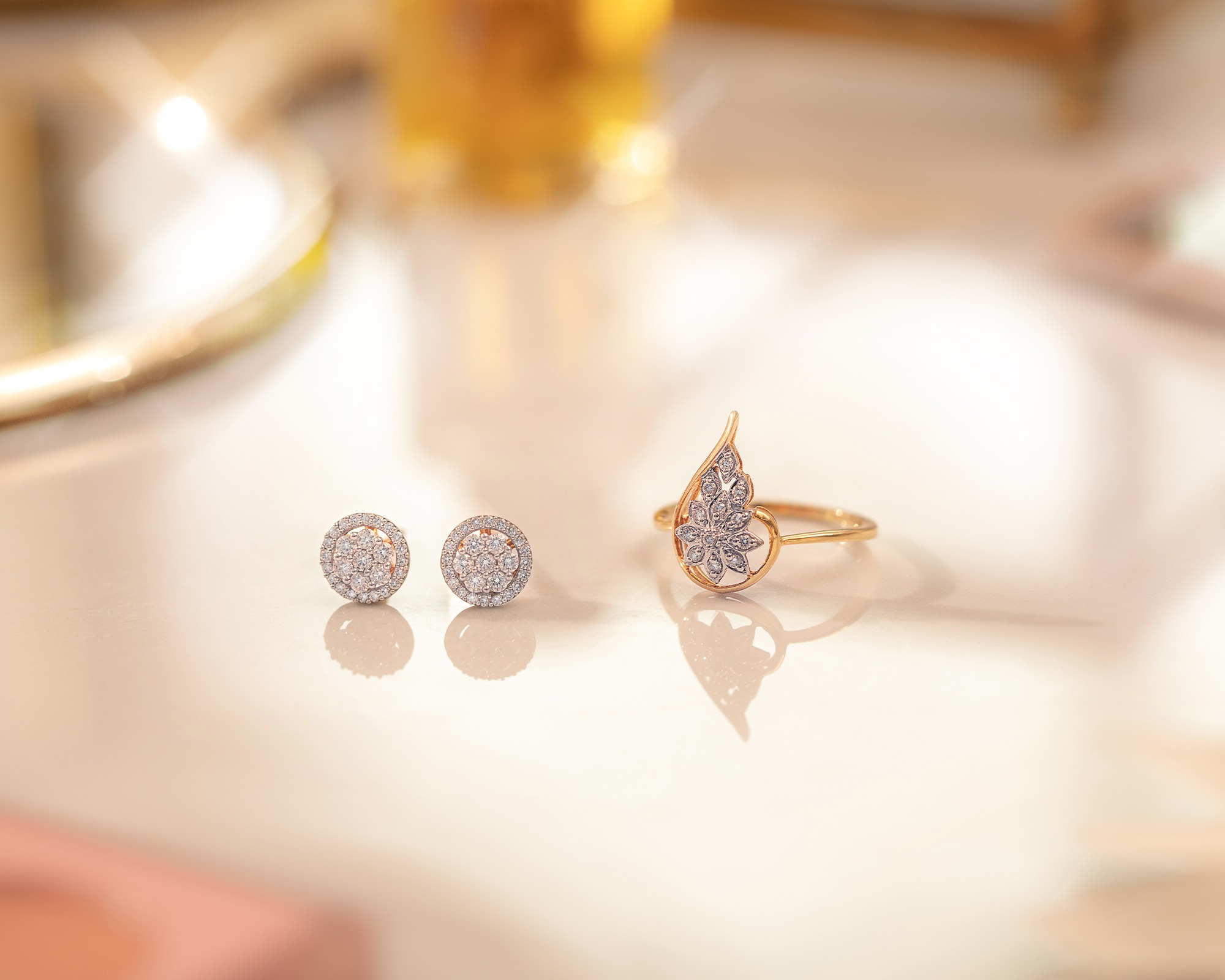
Lightweight diamond jewellery, such as small studs, delicate pendants on fine chains, slim bands with single stones or pavé settings, is designed for the reality of daily life. These pieces are comfortable for extended wear, do not snag or catch, and require minimal adjustment across different outfit contexts. They are also the most accessible entry points into the category, offering the presence of a natural diamond without the weight or price of more elaborate pieces.
Versatile Styles for Work, Casual, and Festive
The most useful quality of minimal diamond jewellery designs is their contextual flexibility. A pair of small diamond studs works for a board meeting, a casual lunch, and a festive dinner — without any conscious restyling. A slim diamond band reads as refined and deliberate across all of these contexts simultaneously. This versatility is what makes everyday diamond wear genuinely practical rather than aspirational.
Is Diamond Jewellery a Good Investment?
A natural diamond is one of those rare things that holds meaning across time — and value along with it. Here is how to think about what you are actually buying.
Emotional vs Financial Value
Investment in natural diamonds through jewellery is not equivalent to investing in gold. Gold has a transparent, daily-traded market value; diamond jewellery carries making charges, design premiums, and retail margins, which typically result in a financial return on resale that is lower than the purchase price. This is worth knowing upfront.
The case for diamond jewellery as a good investment is strongest when the investment is understood broadly to include its emotional value, daily use, meaning over the years, and the potential to become a keepsake passed down through generations. Measured this way, a piece that is worn and loved for decades represents a very different kind of return than a stock or a savings account, but a return nonetheless.
Long-Term Value of Natural Diamonds
The financial case for natural diamonds over lab-grown diamonds rests on scarcity. Lab-grown diamond prices have dropped significantly as production has scaled; natural diamond prices have remained more stable precisely because their supply is finite. For buyers who consider long-term value alongside immediate appeal, investment-worthy jewellery in natural diamonds holds its position better than its lab-grown equivalent over time.
How to Choose Real Diamond Jewellery (Without Overpaying)
Choosing real diamond jewellery confidently comes down to three things.
Check Certification
CaratLane diamonds are CaratLane certified — each stone is assessed and verified against consistent internal quality standards. For solitaire diamonds, GIA certification is available, providing an internationally recognised grading report. Understanding what certification means for the piece you are considering gives you a basis for comparing quality across options. When certification details are not readily provided, that itself is information worth acting on.
Understand Diamond Quality
The 4Cs — cut, clarity, colour, and carat — determine both appearance and price. Cut is the most important factor for visual impact; a well-cut, smaller stone will consistently outperform a larger stone with a poor cut. For everyday pieces, VS2 eye-clean clarity and G–H colour are the practical sweet spots: visually excellent without paying for grades that only instruments can detect.
Buy from Trusted Brands
Certified diamond jewellery in India from a brand with transparent pricing, clear quality specifications, and a strong returns and exchange policy removes most of the uncertainty from the purchase. Knowing that a piece can be returned or exchanged if it does not meet expectations makes the decision considerably less fraught — and shifts the dynamic from a one-time transaction to an ongoing relationship with the jeweller.
How CaratLane Is Making Natural Diamonds Accessible
Wide Range for Every Budget
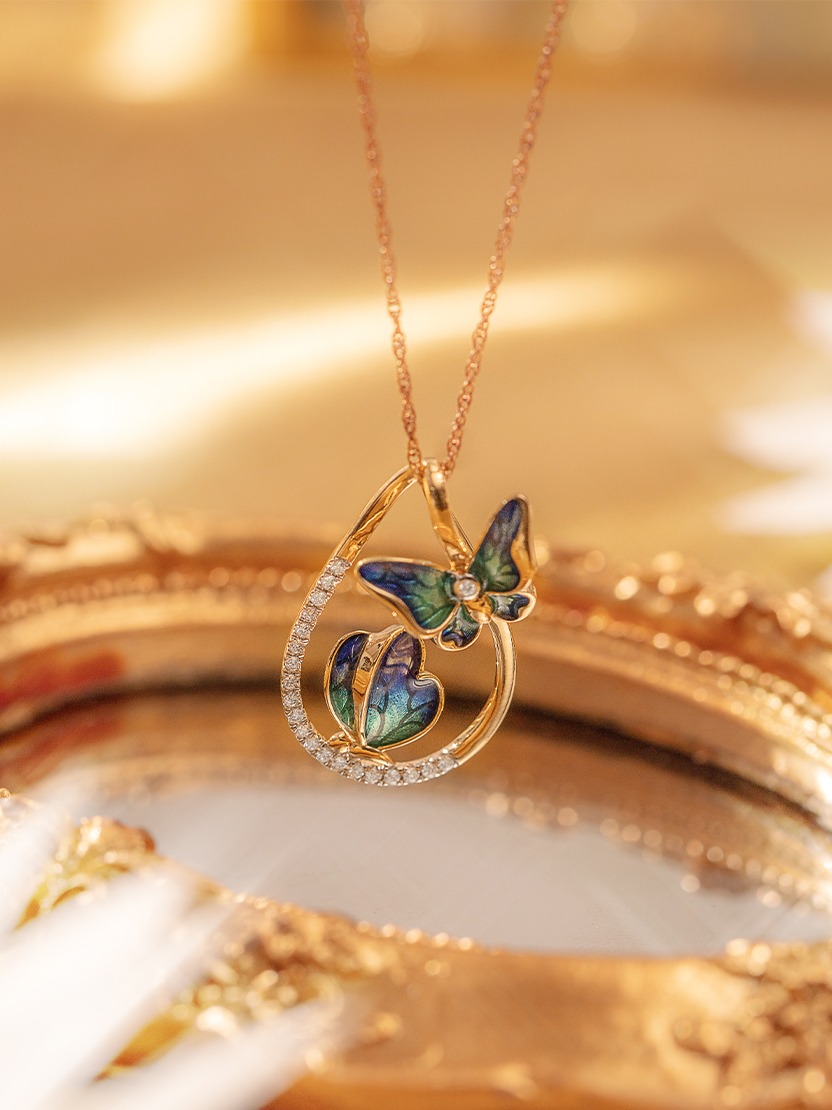
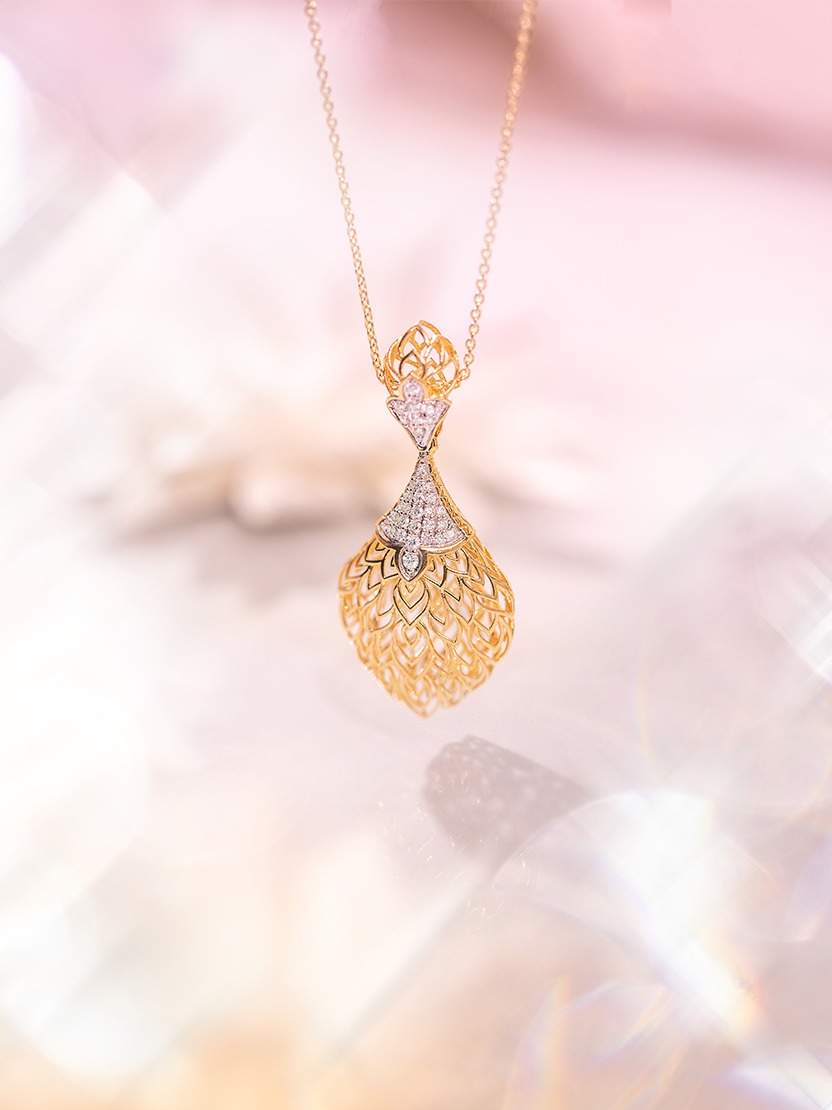
CaratLane natural diamonds are available across a meaningful price range, from entry-level everyday pieces to premium solitaires, making the category genuinely accessible rather than selectively so. The range is built on the premise that accessible luxury is not a contradiction: that natural diamond jewellery, thoughtfully designed and honestly priced, can be part of more women’s lives than the category’s traditional positioning suggests.
Designs for Everyday Wear
The CaratLane diamond jewellery range is built for the reality of how women live, not just for the occasions they dress up for. Lightweight settings, secure closures, and designs that work across multiple contexts make these pieces practical companions for daily life rather than pieces saved for specific moments.
Where to Buy Natural Diamond Jewellery Online in India
What to Look for in a Brand
Transparency is the most important criterion when buying diamond jewellery online. A brand worth buying from will clearly list stone specifications, cut, clarity, colour, and carat, alongside details on metal quality and certification. A clear return and exchange policy signals that the brand stands behind what it sells. BIS hallmarked gold settings are non-negotiable for quality assurance.
Trust, Transparency, and Pricing
The best affordable diamond jewellery brands in India are those that price honestly, where the cost reflects the quality of the stone and the setting rather than the marketing around it. CaratLane’s pricing is transparent, its quality standards are consistent, and the Try-at-Home service, 15-day returns, and lifetime exchange make the purchase feel supported rather than final.
You Are the Diamond
If there is one thing worth taking away from this, it is that a natural diamond is not a reward to be earned through someone else’s milestone or generosity. It is something a woman can choose for herself — for a reason that matters only to her, at a price that works for her budget, in a design that fits her daily life.
Heera har heere ke liye. Every diamond deserves a diamond.
CaratLane’s natural diamond collection is built on exactly this belief — that the women who wear diamonds are not a special category. They are all women. Explore the range and find yours.
FAQs
- Are natural diamonds affordable in India?
Yes. Affordable diamond jewellery in India is more accessible than most people expect. Entry-level natural diamond pieces, like small studs, delicate pendants, and slim bands, are available at price points that suit a wide range of budgets. The assumption that all diamonds are luxury-priced reflects one end of the market, not the full picture.
- What is the difference between real and artificial diamonds?
A real diamond is a natural stone formed over billions of years on Earth. Lab-grown diamonds are chemically identical but produced under controlled conditions — technically genuine diamonds, but without the geological origin or long-term rarity value. Simulants like cubic zirconia are entirely different materials, designed to look like diamonds without being diamonds in any sense. The difference between real and artificial diamonds ultimately lies in origin, scarcity, and lasting value.
- Why should women buy diamond jewellery?
Because diamond jewellery for women is not only for grand occasions or external gifting — it is one of the most meaningful ways a woman can acknowledge her milestones, affirm her worth, and wear something beautiful every day. A natural diamond is also durable and long-lasting, and it holds its value in ways that most other gifts do not.
- Is diamond jewellery a good investment?
As a financial asset, natural diamond jewellery retains value better than lab-grown over time due to scarcity, but it is not equivalent to gold as a liquid investment. The stronger case for investing in natural diamonds is the combination of financial, emotional, and practical value: something beautiful worn daily, meaningful, and pass-downable. Measured that way, it is a very good investment.
- Where can I buy real diamond jewellery online?
CaratLane is a trusted destination for natural diamond jewellery online in India, with certified stones, BIS hallmarked gold, transparent pricing, Try-at-Home service, 15-day returns, and lifetime exchange. The range spans everyday wear to premium occasion pieces, for every budget.
Suggested Reading
Why Choose Natural Diamond Engagement Rings?
How Real Diamond Jewellery Choices for Women Have Changed Over the Decades