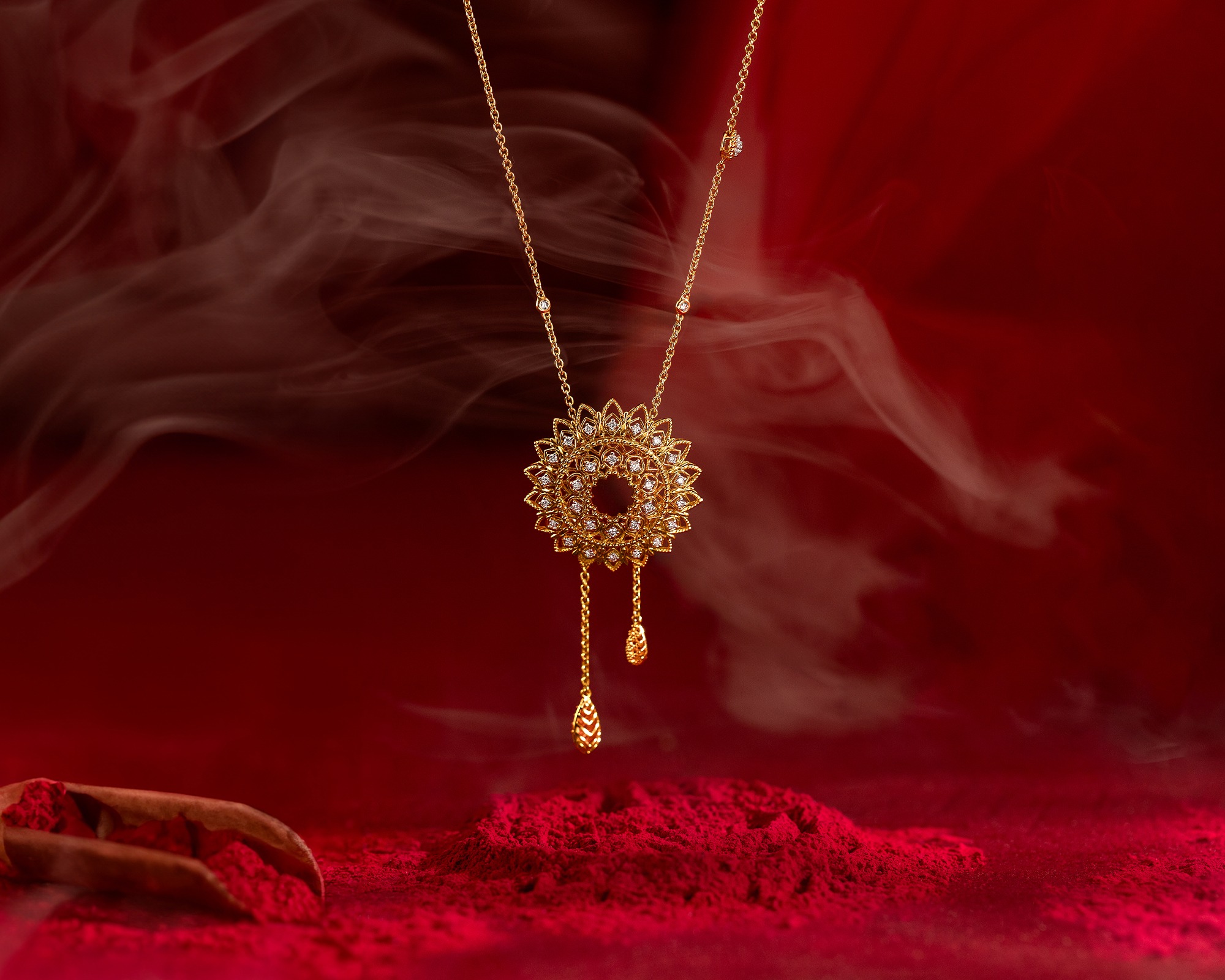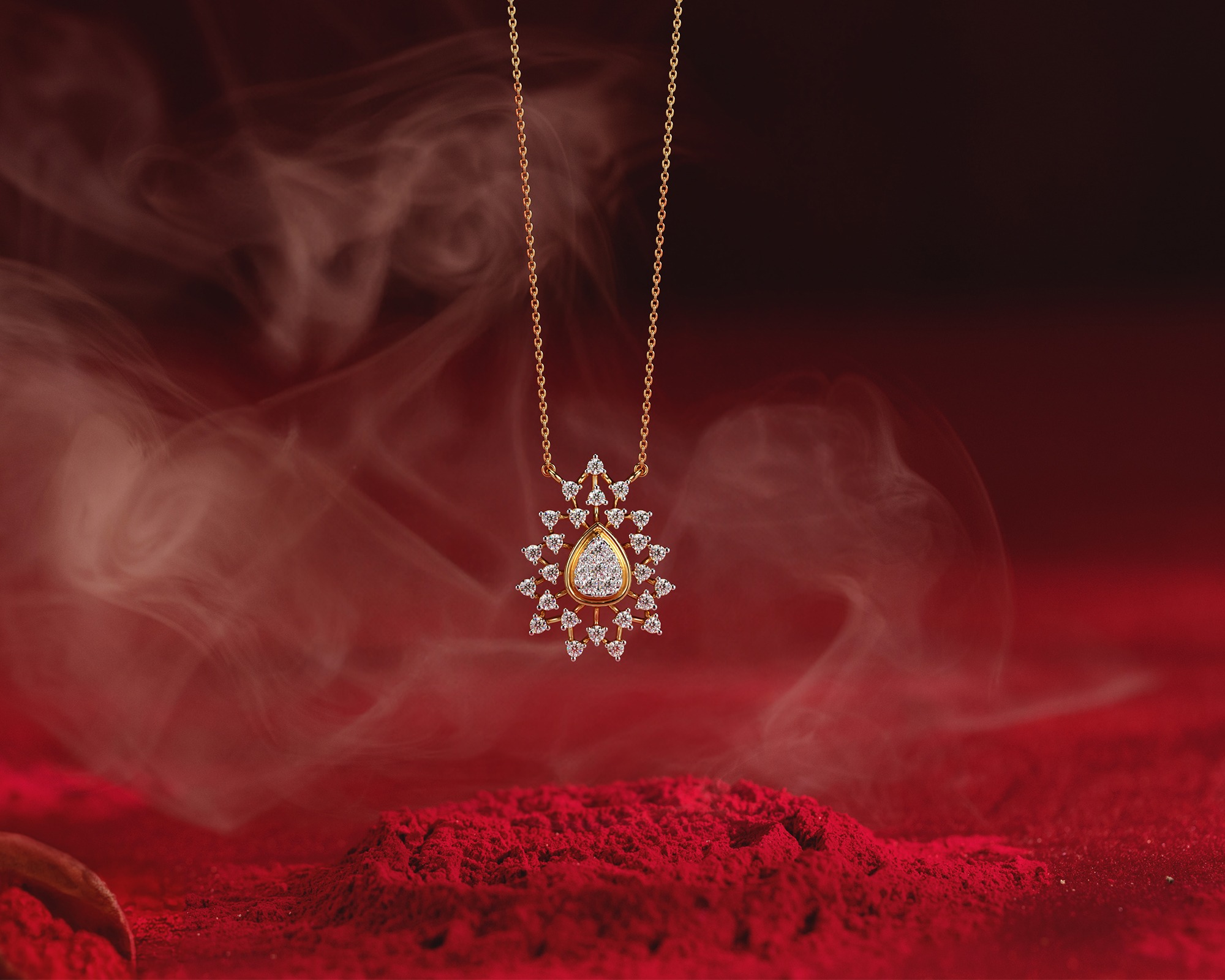
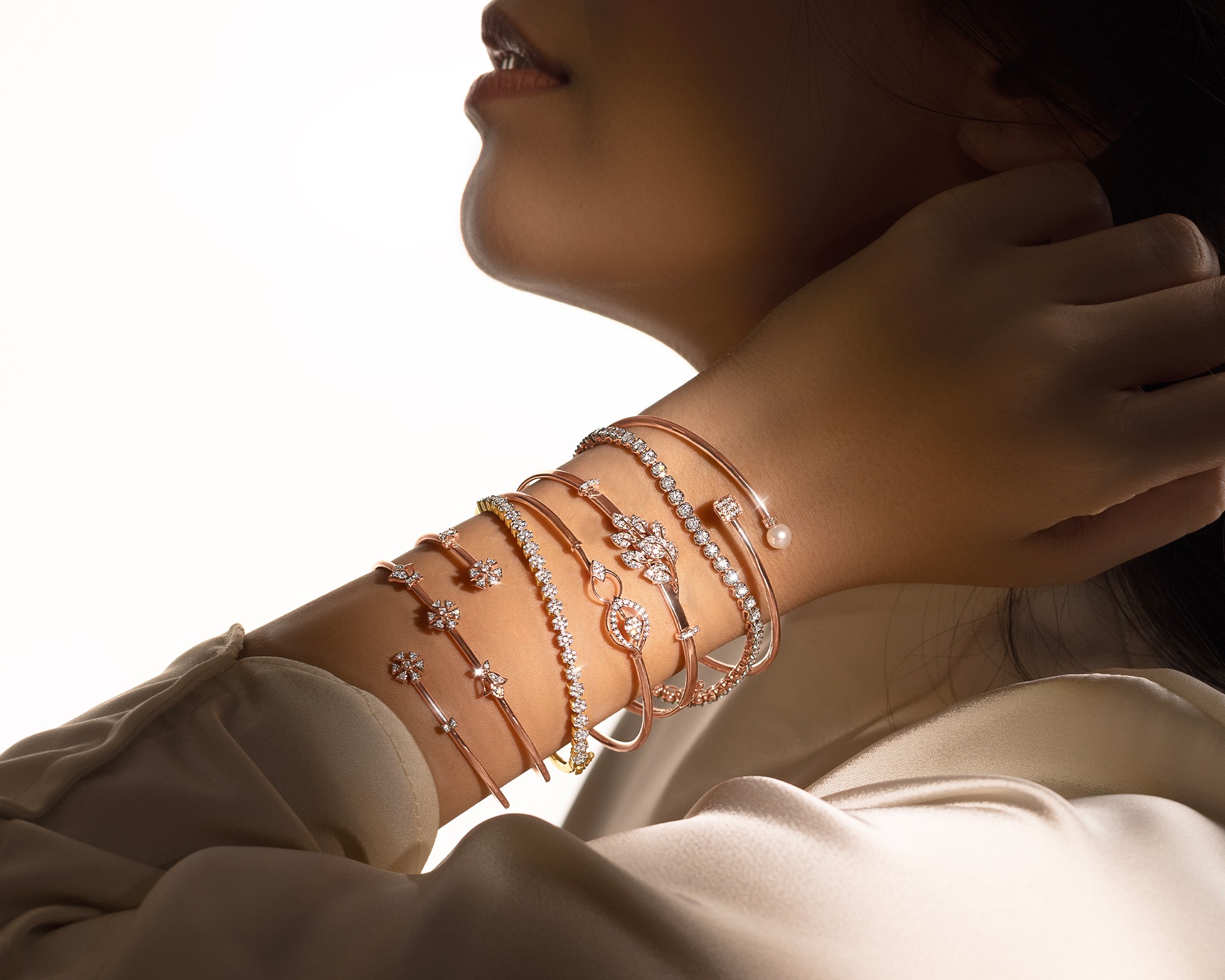
If you have ever seen a cuff bracelet on someone and thought, “I love that — but I am not sure it would work for me,” you are in good company. Cuff bracelets are one of those styles that look effortlessly confident on the wrist but raise a few practical questions before you commit: How does it stay on without a clasp? How do I know if it fits? Will it suit my wrist? Is it comfortable for daily wear?
This guide answers it all, from what a cuff actually is and how it differs from a bangle, to which styles suit which wrists, to how to wear one with everything from a weekday outfit to a wedding look.
What Is a Cuff Bracelet?
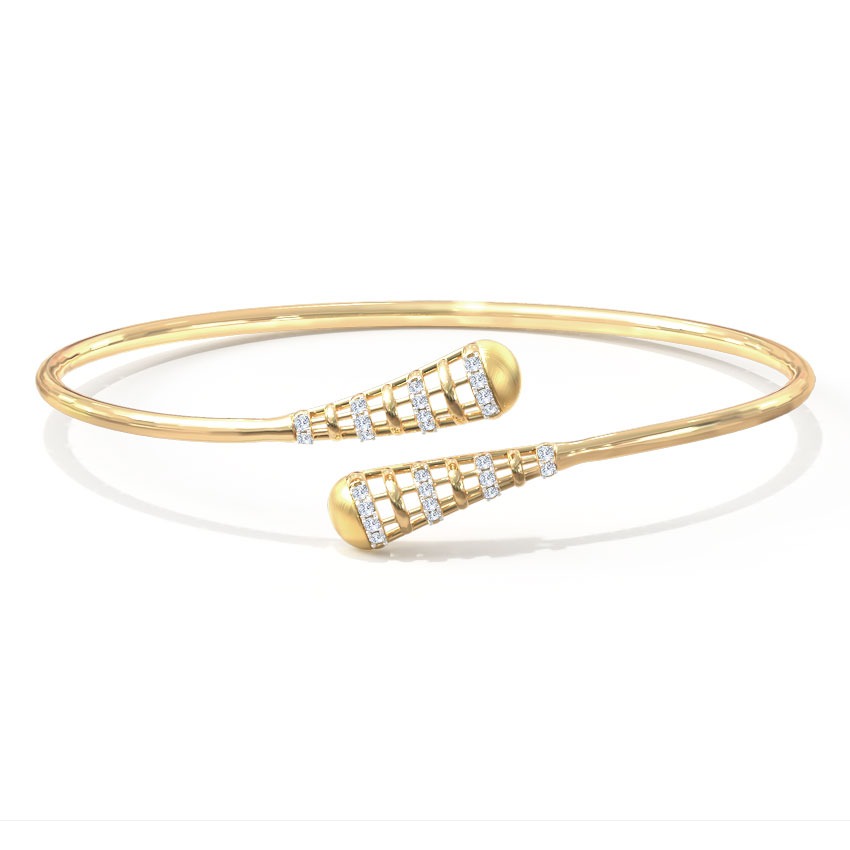
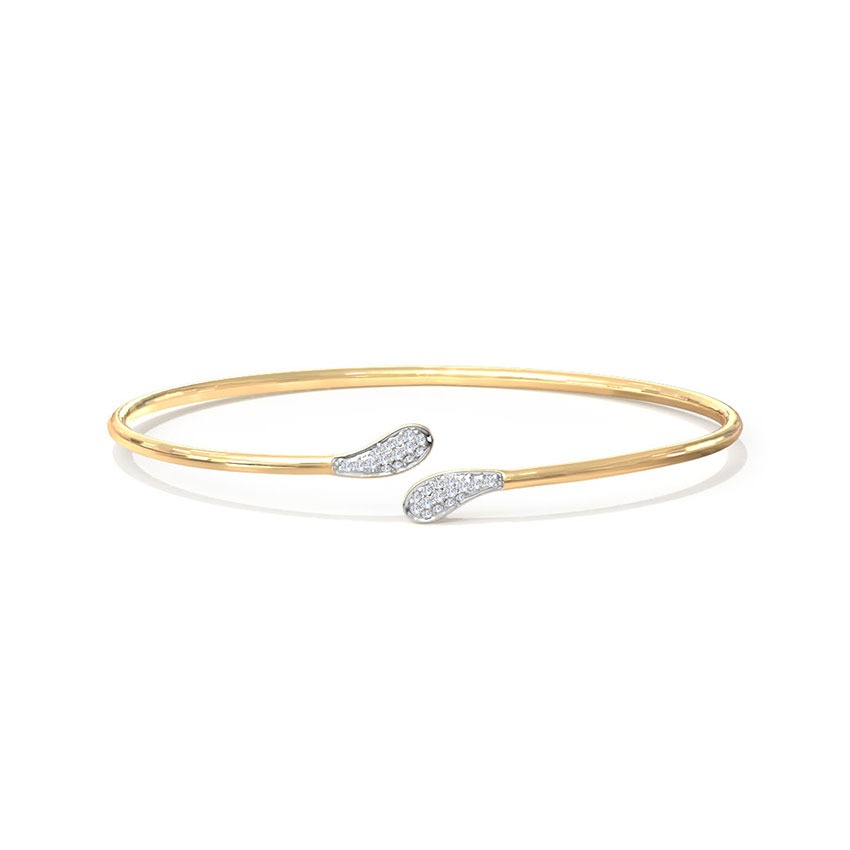
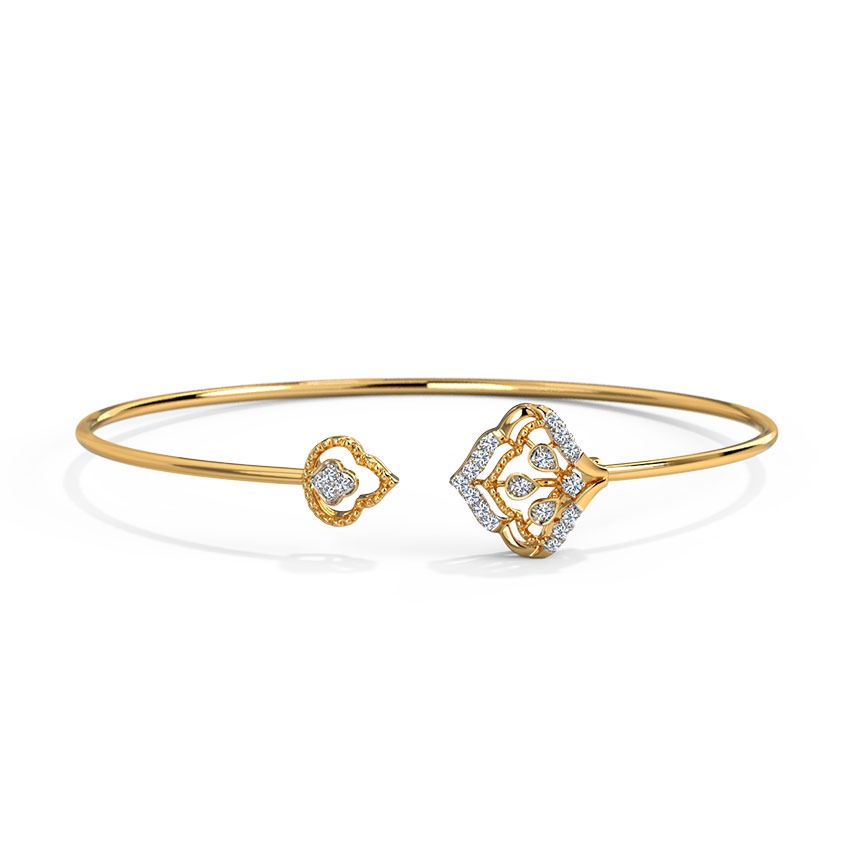
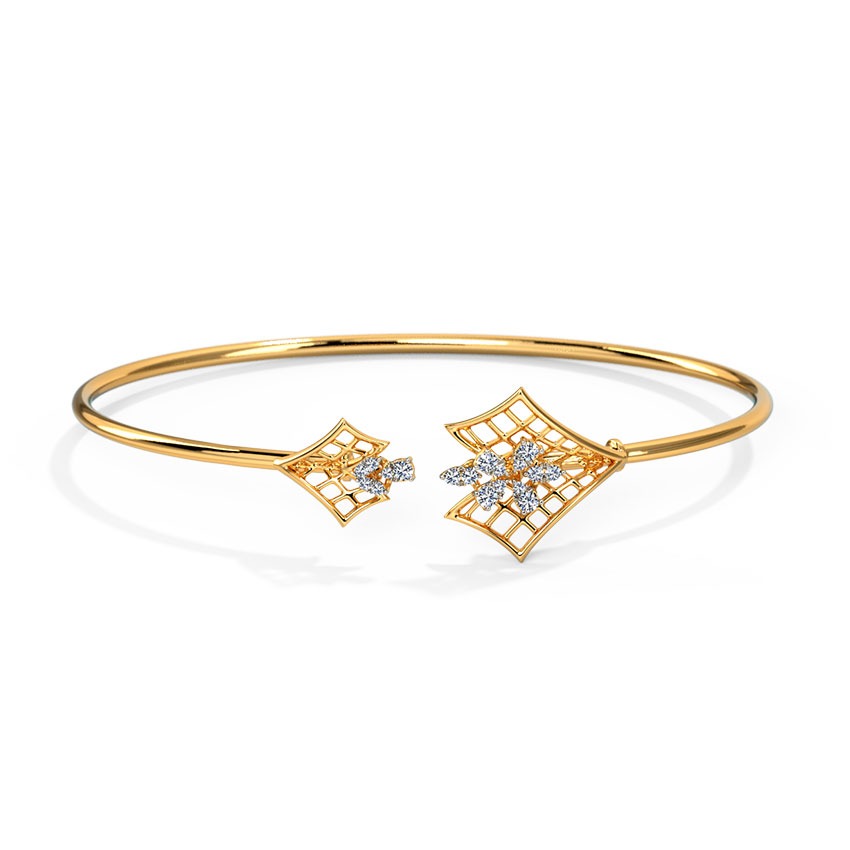
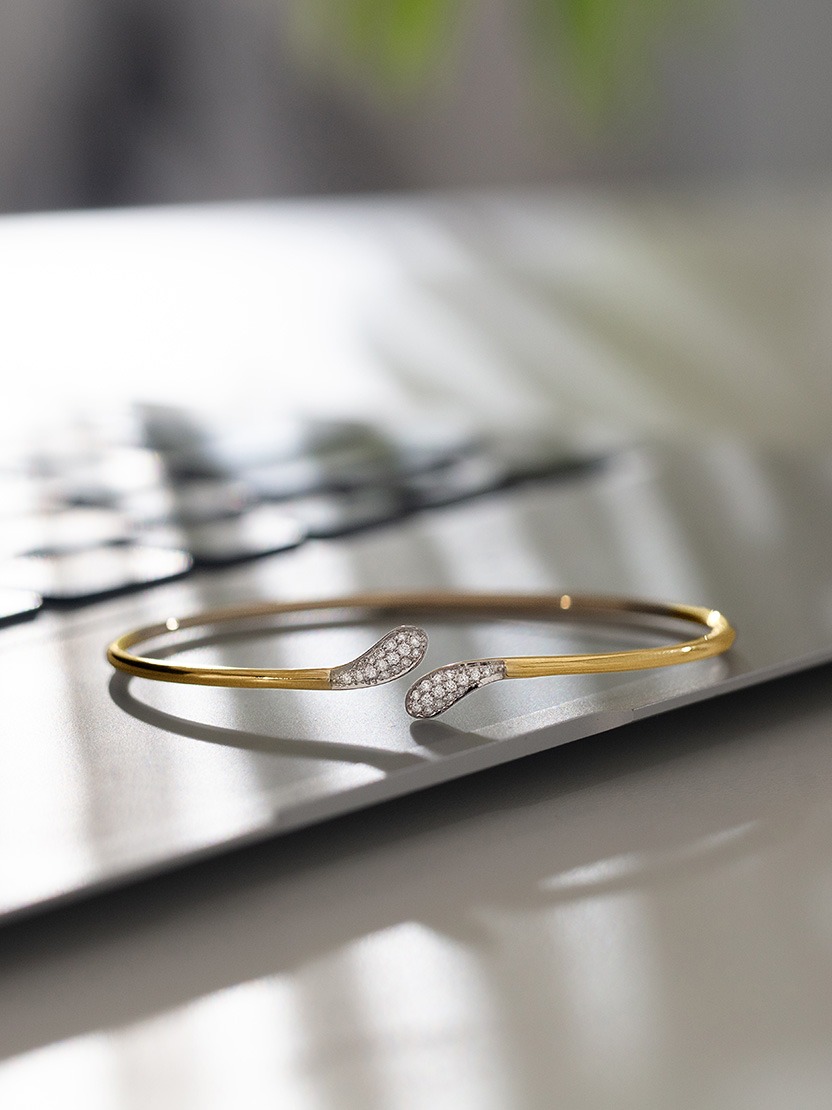
A cuff bracelet is a rigid or semi-rigid C-shaped bracelet with an open back, designed to slide onto the wrist without a clasp. The open gap at the back is not a design afterthought — it is what defines the style and makes it work. Instead of a hinge or a catch, the cuff relies on the curve of its own structure to stay securely in place once on the wrist.
The result is a bracelet that is simultaneously more architectural and more effortless than most alternatives: substantial enough to make a visual statement, simple enough to put on with one hand in under three seconds.
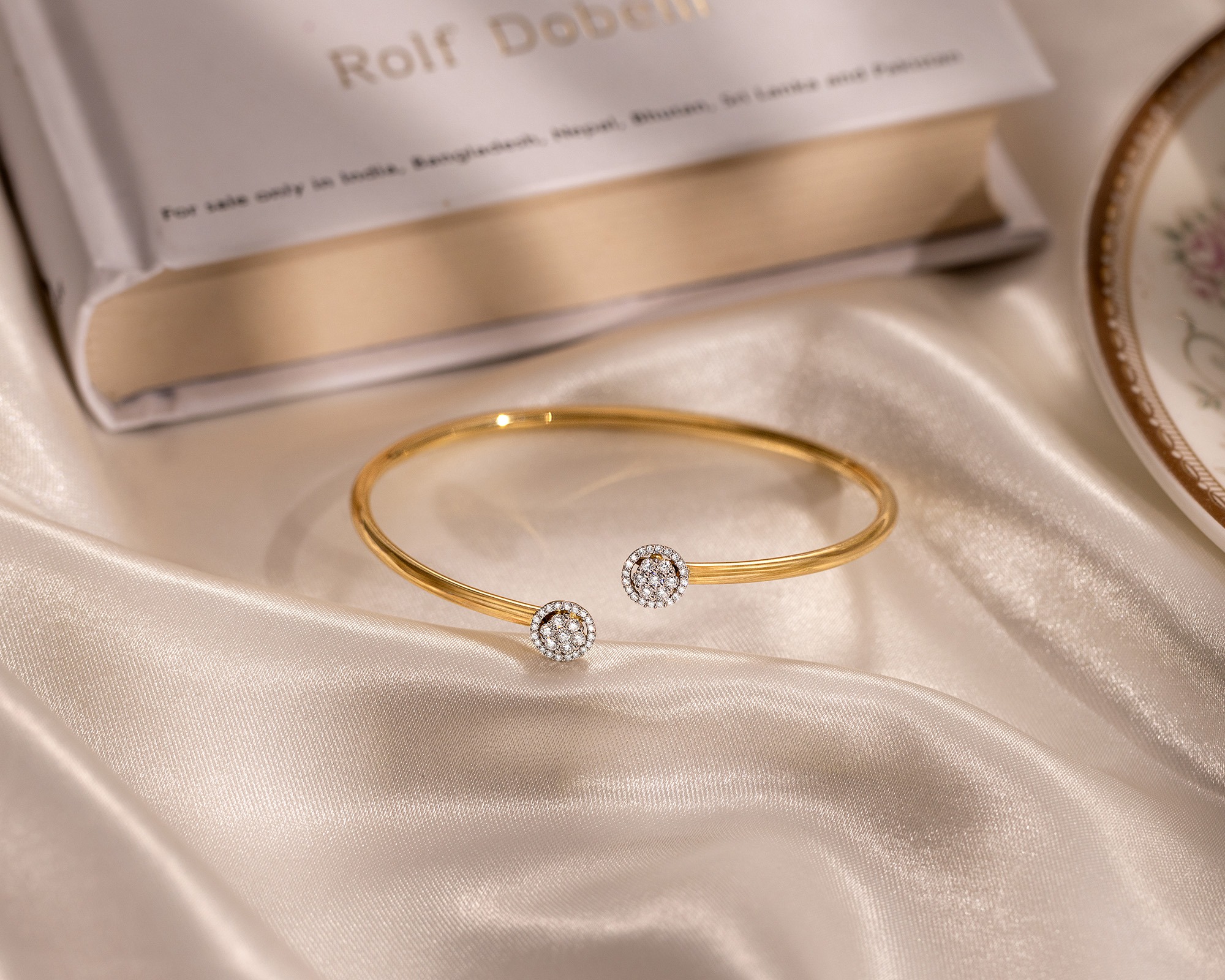
The “No-Clasp” Benefit of Cuff Bracelets
The absence of a clasp is the feature most cuff wearers appreciate most. There is no fiddling with a tiny catch while trying to hold both ends of the bracelet in place. No asking someone else to help. No moment of frustration at the start of a morning when you are already running slightly late.
Open cuff bracelets slip on easily from the side of the wrist, sit securely once in place, and come off just as simply. They stack well with other bracelets and watches because their open-backed structure makes them easy to position and reposition. And unlike chain bracelets with clasps, they stay in place on the wrist rather than sliding around.
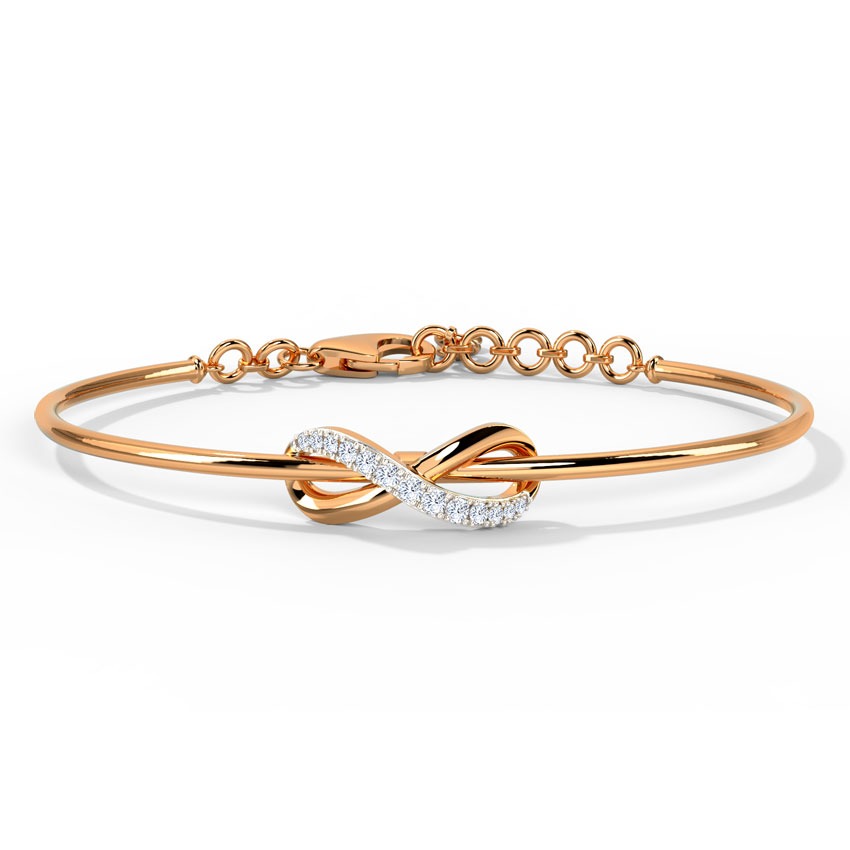
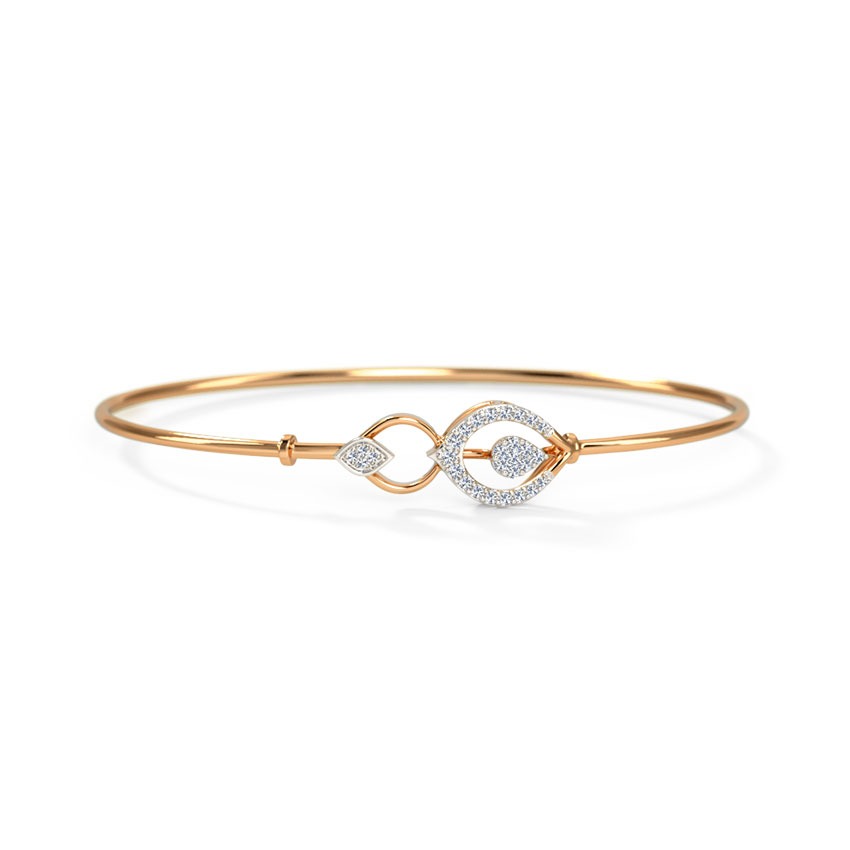
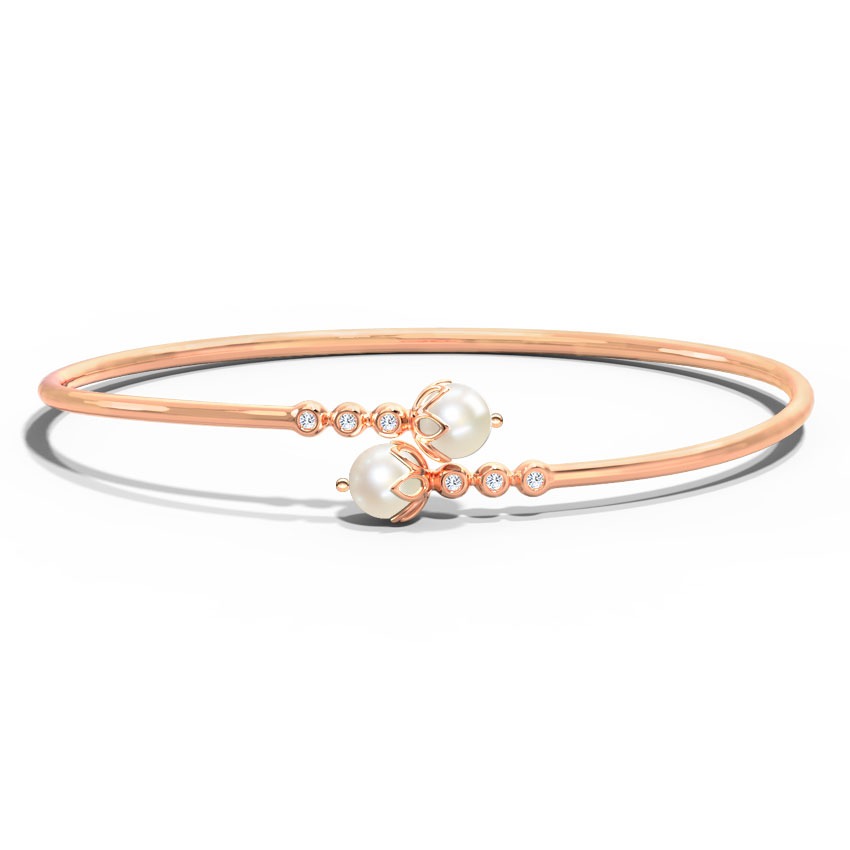
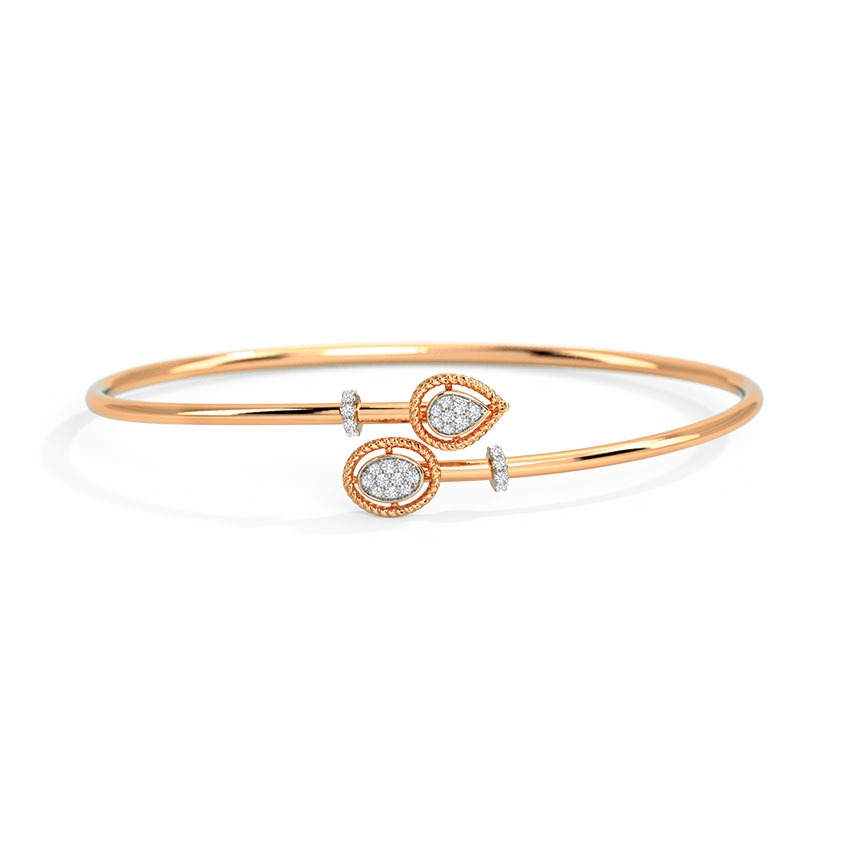
Anatomy of a Cuff Bracelet
Understanding how a cuff is constructed helps when choosing one that fits and feels right.
The defining feature is the rigid structure, unlike a chain bracelet that drapes and moves with the wrist, a cuff holds its shape. This is what gives it its architectural quality and its presence on the wrist. A metal cuff bracelet in gold or silver maintains this form, whether it is a slim, minimal band or a wide cuff bracelet with elaborate detailing.
The signature gap at the back of the cuff is what allows it to be put on and taken off. The size of this gap relative to the cuff’s inner diameter determines how the bracelet fits — a topic covered in detail in the fitting section below.
Many metal cuffs offer a degree of adjustability, a gentle, one-time reshape to suit a specific wrist size. Thick cuff bracelets in particular often benefit from this: a slight narrowing or widening of the gap can make the difference between a cuff that sits perfectly and one that feels either too loose or too snug.
Cuff Bracelet vs Bangle vs Chain Bracelet
These three styles are related but serve different purposes, and understanding the differences helps you choose the right one for your lifestyle.
| Feature | Cuff Bracelet | Bangle | Chain Bracelet |
| Shape | C-shaped, open back | Full circle, closed | Linked chain, flexible |
| Closure | No clasp; slides on | No clasp; slides over hand | Clasp or toggle |
| Fit | Adjustable, sits on the wrist | Fixed size, needs to fit over knuckles | Adjustable via a clasp |
| Movement | Stays in place | Moves and jingles | Drapes and moves |
| Best for | Statement wear, stacking, easy on/off | Traditional styling, layering, daily wear | Delicate everyday wear, gifting |
Which should you choose based on lifestyle?
- If ease of wear and a more architectural look appeal to you, a cuff is the stronger choice.
- If you prefer the traditional feel of a piece that moves and jingles, a bangle serves better.
- If you want something delicate and flexible for daily wear, a chain bracelet is the most low-maintenance option.
Many women own all three; they serve different occasions and moods.
History and Symbolism of Cuff Bracelets
The cuff bracelet has a history that makes its current popularity feel less like a trend and more like a return.
Ancient Origins
The earliest cuff bracelets were worn as markers of power, protection, and identity. In ancient Egypt, wide gold cuffs adorned the wrists of pharaohs and high priests, the breadth of the piece communicating authority as much as beauty. Among the Navajo, silver cuffs set with turquoise were crafted with extraordinary skill and worn as expressions of cultural identity and spiritual protection. Across ancient Greece, Rome, and Persia, cuff-style bracelets appeared on warriors’ wrists, armour adapted over time into ornament.
The thread connecting all of these traditions is consistent: a cuff worn on the wrist signals something about the person wearing it.
Cuffs in Modern Fashion
Mid-century Hollywood gave the cuff bracelet glamour, the wide gold cuff as the signature accessory of women who commanded a room. Pop culture gave it power, most visibly through Wonder Woman’s silver arm cuffs, a symbol that has stayed in the cultural imagination. More recently, the quiet luxury aesthetic has given it a more understated expression — a slim sculptural cuff worn alongside a watch, or a minimal gold band as the sole wrist statement.
What these evolutions share is the cuff’s persistent association with presence. It is not passive jewellery. It is jewellery that occupies space with intention.
Popular Types of Cuff Bracelets
The cuff category covers a wider range of designs than the single silhouette might suggest. The right cuff is almost always the one that suits your daily life and personal aesthetic — not the most elaborate one available.
Gold Cuff Bracelets
The gold cuff bracelet is the most classic and versatile expression of the style. In yellow gold, it works with ethnic and western outfits in equal measure. A wide gold cuff bracelet makes an unambiguous statement; a slim gold cuff bracelet for women in 18KT sits at the quieter, more daily-wear end of the spectrum. Both are enduring choices that do not date.
Diamond and Gemstone Cuffs
A diamond cuff bracelet brings brilliance that plain metal cannot match — stones set in pavé or channel arrangements catch light as the wrist moves. White gold cuff bracelets with natural diamond detailing suit occasions where the wrist needs to be part of the overall jewellery statement. Gemstone cuff bracelets in amethyst, topaz, or ruby add personality and often personal meaning alongside visual appeal.
Arm Cuffs and Palm Cuffs
Arm cuff bracelets sit higher on the forearm, a more dramatic placement suited to festive and bridal dressing. Palm cuff bracelets extend from the wrist across the back of the hand via a delicate chain, architectural, striking, and best suited to those who want their jewellery to genuinely command attention.
Men’s Cuff Bracelets
Mens gold cuff bracelets, slim, minimal, worn alongside a watch, are the most widely adopted style. Black cuff bracelets for men in oxidised metal offer a bolder contemporary alternative. The priority for men’s cuffs is proportion: a cuff that sits in balance with the wrist rather than disappearing or overwhelming it.
Personalised and Statement Cuffs
Personalised cuff bracelets engraved with a name, date, or meaningful word are one of the stronger gifting choices in this category, combining the visual strength of the cuff with a layer of meaning that makes the piece specifically about its wearer. Chunky cuff bracelets and mesh cuff bracelets suit those who want their wrist to make a clear, confident statement.
How Should a Cuff Bracelet Fit?
Fit is where most cuff bracelet questions arise — and getting it right makes the difference between a piece that stays on comfortably all day and one that slides off or pinches.
The principle is simple once you understand it, but it is not always intuitive for first-time cuff buyers.
Should a Cuff Be Tight or Loose?
Neither, precisely. A well-fitted cuff bracelet should sit on the wrist with enough snugness that it does not slide freely up and down the arm, but enough room that it does not press into the skin or restrict movement. The gap at the back should be narrow enough that the cuff cannot rotate to a position where it falls off, but wide enough that putting it on and taking it off is comfortable.
A useful test: with the cuff on, turn your wrist upside down. A well-fitted cuff should stay in place rather than sliding toward the hand. If it slides off easily, it is too loose. If you had to force it on, it is too tight.
How to Measure Your Wrist for a Cuff
Wrap a flexible measuring tape or a strip of paper around the narrowest part of your wrist, just below the wrist bone. Note the circumference. For a comfortable cuff bracelet fit, look for an inner circumference approximately 2–3cm larger than your wrist measurement. This accounts for the gap and ensures the cuff sits correctly without being too loose.
The Side-Slide Technique
Cuffs are designed to be put on from the side of the wrist, not pulled over the hand. Position the gap of the cuff against the narrowest part of your wrist, the side between the wrist bones, and slide it gently into position. This is considerably more comfortable than forcing it over the knuckles, which is not how the style is intended to work.
The One-Time Adjustment Rule
Many metal cuff bracelets can be gently adjusted, the gap widened or narrowed slightly, to achieve a better fit. The important word is “gently,” and the important qualifier is “once.” Repeatedly bending a metal cuff at the gap will weaken the metal there and eventually cause it to crack or break. If a cuff needs adjustment, do it once, carefully, and treat the adjusted position as the final fit.
How to Choose a Cuff Bracelet for Your Wrist Shape
Wrist size and proportion affect which cuff styles look and feel most balanced. Here is how to think about it.
Best Cuffs for Small Wrists
Slimmer, more delicate cuff designs tend to suit smaller wrists best, a narrow band in 18KT gold, a slim diamond-set cuff, or a minimal open cuff that does not extend too far up the forearm. Very wide or chunky cuffs on a small wrist can look unbalanced, as if the jewellery is wearing the person rather than the other way around.
Wide Cuffs for Larger Wrists
Wide cuff bracelets come into their own on larger wrists, where they sit in natural proportion with the arm. A bold gold cuff, a wide engraved design, or a gemstone-set statement piece all suit a larger wrist with a confidence that may not be present on a smaller frame. This is the wrist proportion for which the most dramatic cuff designs were built.
Thin vs Thick Cuff Proportions
Beyond absolute wrist size, the cuff’s visual weight should relate to the arm’s overall proportion. Slender arms tend to suit one or two slim cuffs rather than a single very thick one. More substantial arms can carry either a single bold cuff as the statement piece, or a stack of slimmer ones for a more layered effect.
Cuff Bracelets for Women: Everyday to Power Styling
The cuff bracelet for women covers a wide spectrum, from the most understated daily piece to the most elaborate occasion statement. The same core style adapts to all of these contexts, which is part of its enduring appeal.
For the everyday minimalist, a slim, plain cuff bracelet in 18KT yellow or white gold is the most wearable expression. Light, secure, and easy to forget you are wearing it, which is the highest compliment for daily jewellery. For those who prefer thin cuff bracelets, a barely-there band worn alone or alongside a watch creates a look that is quietly considered without demanding attention.
Minimal Daily Wear Cuffs
A slim ladies’ gold cuff bracelet for daily use should be lightweight, smooth-finished, and comfortable for extended hours. The design can be entirely plain or carry a small detail, a subtle texture, a single stone, or a fine engraved line that gives it personality without adding bulk. These are the cuffs that go on Monday morning and come off Friday evening, worn through every context in between.
Office and Power Dressing Cuffs
The cuff bracelet has a particular affinity with power dressing, the wide gold cuff as the punctuation mark on a strong outfit. In a professional context, a medium-width gold cuff bracelet or a white gold cuff bracelet with restrained detailing communicates the same confident presence as a sharp blazer. It is visible, intentional, and entirely appropriate. A rose gold cuff bracelet offers a slightly softer variation on this theme, equally present, slightly warmer in tone.
Statement Evening Cuffs
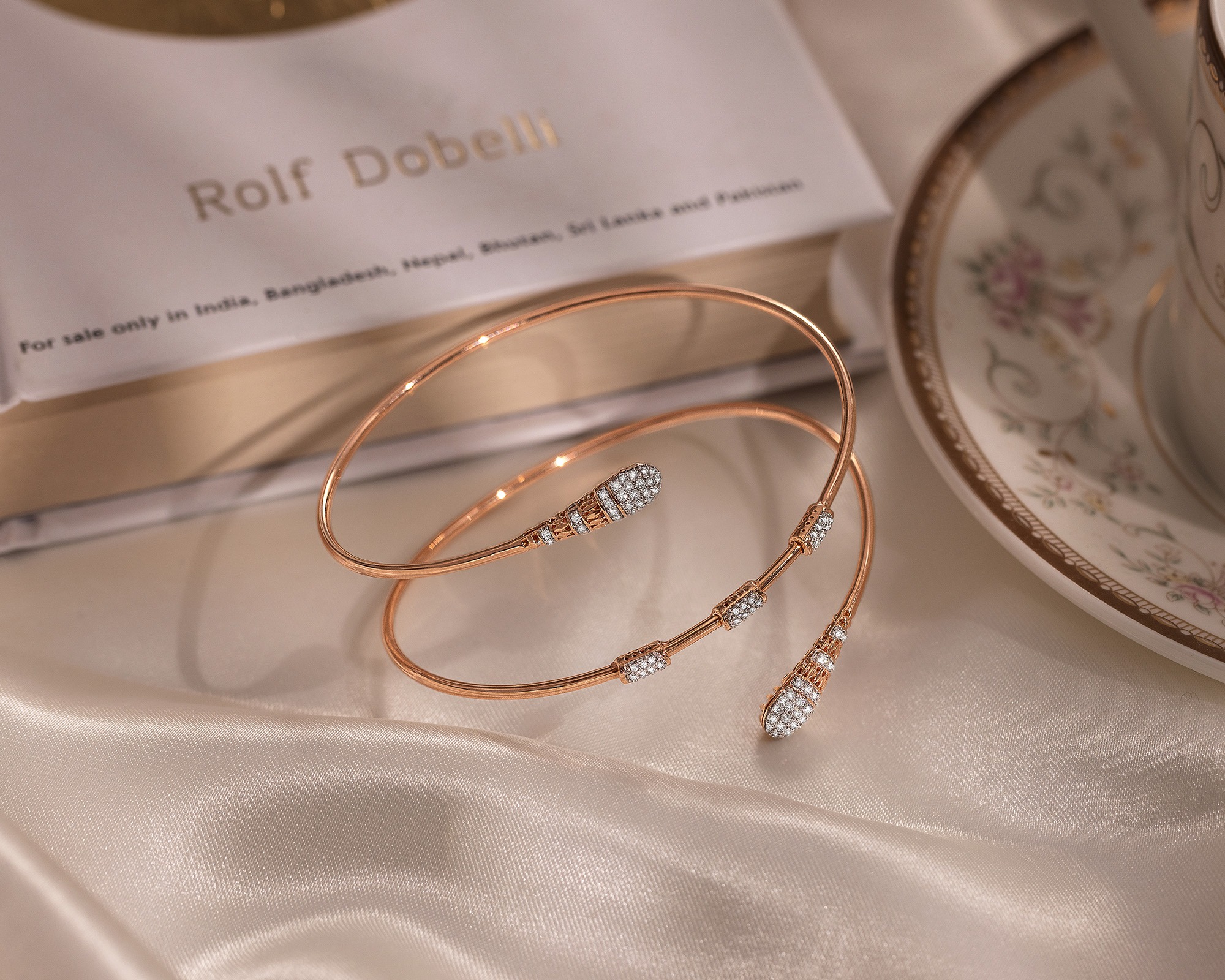
For occasions, the cuff can carry considerably more weight. A wide diamond cuff bracelet, an ornate gemstone design, or a bold sculptural gold cuff makes the wrist the focal point of the jewellery story for the evening. These are pieces that work best as a single statement on the arm, worn instead of other bracelets, with rings and earrings kept minimal so the cuff can do its work uninterrupted.
Cuff Bracelets for Men – Styling Guide
The men’s cuff bracelet conversation has shifted significantly — from a niche style choice to something widely worn across professional, casual, and social contexts. Here is how to navigate it.
Gold vs Leather vs Black Metal Cuffs
Men’s gold cuff bracelets are the most versatile and enduring choice, warm in tone, compatible with most wardrobes, and appropriate for formal, smart-casual, and social settings.
Leather cuffs have a more casual, artisanal quality, suited to weekend and relaxed styling rather than professional contexts.
Black cuff bracelets for men in oxidised metal or dark alloys offer a contemporary, graphic alternative that suits a bolder personal aesthetic.
How Men Style Cuffs With Watches
The cuff-and-watch combination is one of the more considered approaches to wrist styling available to men. The key is placement and proportion: the cuff on the same wrist as the watch, positioned between the watch and the hand, or on the opposite wrist entirely. A slim gold cuff alongside a classic leather-strap watch creates a layered look that feels intentional without being overdone. Avoid very wide or chunky cuffs alongside a substantial watch; the two pieces compete for the same visual space.
Minimal vs Bold Men’s Cuffs
The choice between minimal and bold comes down to personal aesthetic and context. A slim, minimal men’s gold cuff bangle bracelet, barely wider than a band, suits men who are new to wrist jewellery or who prefer their accessories to be present but understated. A bolder, wider cuff suits those who are comfortable with their jewellery and makes a clear statement. Both are entirely valid; the wrong choice is the one that feels like a costume rather than an expression of personal style.
Cuff Bracelet Materials Explained
The material of a cuff bracelet determines its appearance, durability, weight, and price. Understanding the options makes it considerably easier to narrow down the right choice.
Gold and Precious Metals
18KT gold cuff bracelets are the most practical choice for regular wear, durable, hypoallergenic, and available in yellow, white, and rose gold. The 18KT standard means 75% pure gold alloyed with metals that add hardness and resilience, making it better suited to daily wear than 22KT, which is softer and more susceptible to scratching. White gold cuff bracelets suit cooler skin tones and contemporary aesthetics; yellow gold is warmer and more traditional; rose gold sits between the two in tone and character.
All CaratLane gold cuff bracelets are BIS hallmarked, guaranteeing metal purity independently of the design or price point.
Leather and Metal Cuffs
Leather cuff bracelets occupy a distinct aesthetic space, more casual, more textural, and more associated with artisan or streetwear styling than fine jewellery. Metal cuff bracelets in non-precious metals offer an accessible entry point into the style, though they require more care to maintain finish and may not suit sensitive skin as reliably as hallmarked gold.
Diamond and Gemstone Cuffs
Natural diamond cuff bracelets and gemstone-set designs bring a level of craftsmanship and visual complexity that plain metal cannot replicate. These are the cuffs that justify themselves as occasion pieces and long-term investments, pieces that are looked at closely and admired in detail, rather than simply registered as a bracelet on a wrist.
How to Style Cuff Bracelets
A well-chosen cuff is one of the more versatile styling tools in a jewellery collection, but how you wear it changes its character considerably.
The most important principle: a cuff works with intention. Whether you are wearing one bold piece or building a wrist stack, the look should feel deliberate rather than accidental.
One Bold Cuff vs Stacked Cuffs
A single bold cuff worn alone, wide, substantial, and given the full wrist to itself, makes the strongest individual statement. This is the approach for occasions and outfits where the jewellery needs to carry visual weight.
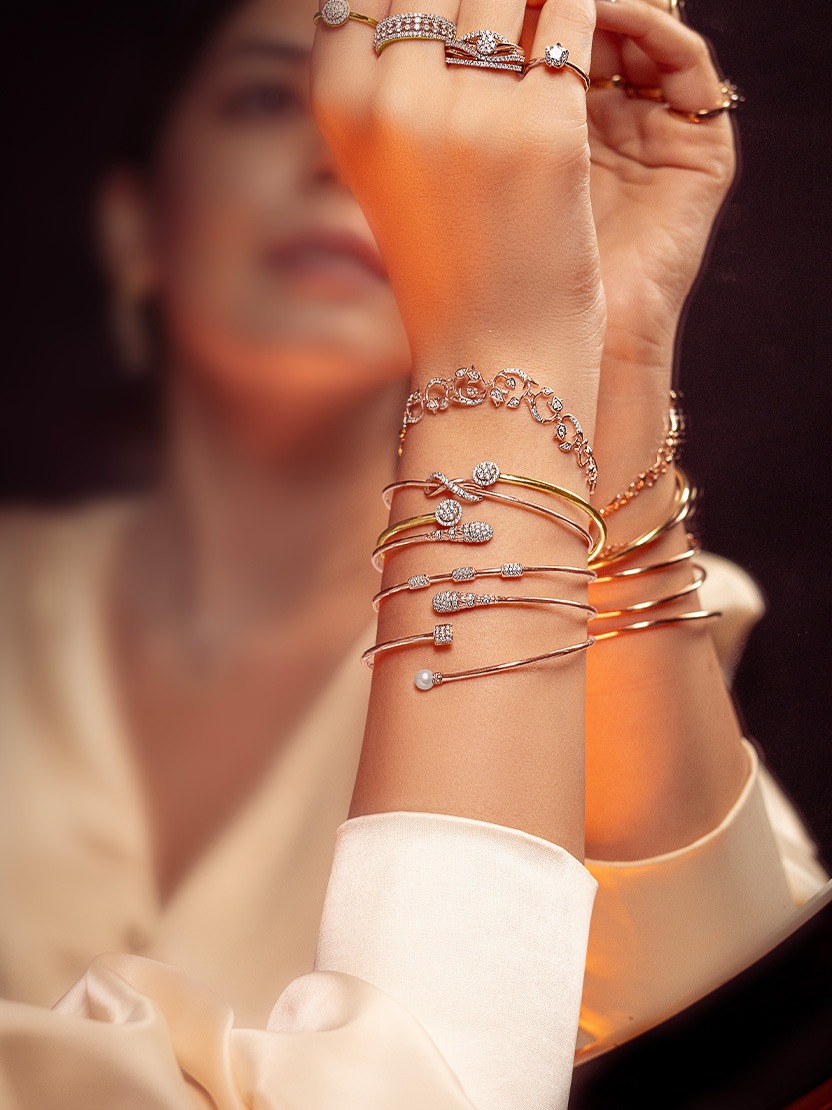
Stacked cuffs, two or three slimmer pieces worn together, create a different effect: layered, personal, and more casual in feeling. The stack works best when the cuffs vary in width and texture rather than being identical.
Pairing Cuffs With Watches and Rings
A cuff paired with a watch creates a natural wrist story, the two pieces in conversation rather than competing. Keep them on the same wrist for a layered effect, or separate them for a more balanced look across both wrists. Rings extend the jewellery narrative from the wrist to the hand; a bold cuff and a simple ring often work better together than a bold cuff and an elaborate ring, which can feel like too much on a single arm.
Modern Cuff Layering Ideas
The current direction in cuff styling draws on three distinct aesthetics.
- Sculptural cuffs, open, architectural forms in gold or mixed metal, are worn as singular statement pieces with otherwise minimal jewellery.
- Stacked wrist styling, with multiple slim cuffs and bracelets layered together, creates a more bohemian, personal effect that builds gradually over time.
- Quiet luxury cuffs, slim, plain, impeccably made, are the wrist expression of the broader trend of understated elegance: one perfect piece, worn with complete confidence.
Common Mistakes to Avoid When Buying a Cuff Bracelet
- Getting the sizing wrong: A cuff that is too large will slide and rotate; one that is too small will pinch. Measuring your wrist before buying and choosing a cuff with an inner circumference 2–3cm larger than your wrist measurement helps avoid most sizing issues.
- Over-adjusting the cuff: Metal cuffs can be gently adjusted once. Repeated bending at the gap weakens the metal and eventually causes cracking. Adjust once, carefully, and treat that as the final position.
- Choosing styles that are too heavy for daily wear: A wide, elaborate cuff that looks impressive in a photograph can become uncomfortable after two hours on the wrist. For daily wear, weight and comfort matter as much as design.
- Ignoring wrist proportion: A very wide cuff on a small wrist, or a very slim one on a substantial wrist, both look unbalanced. The ratio of the cuff to the arm is one of the most important factors in how the piece looks.
- Buying only for the trend: A cuff chosen purely because it is currently fashionable, without considering whether it suits your wrist, wardrobe, and daily life, will not be worn for long. The most valuable pieces are the ones chosen with longevity in mind.
How to Buy a Quality Cuff Bracelet Online
Buying a cuff bracelet online works well, provided you know what to check in the product listing before committing.
What to Check Before Buying
- Metal purity: BIS hallmarked gold should be clearly stated. For natural diamond or gemstone cuffs, stone specifications — cut, clarity, colour, carat — should be listed alongside CaratLane certification.
- Weight: Listed in grams, weight indicates how substantial the piece will feel on the wrist. Very light cuffs may feel insubstantial; very heavy ones may be uncomfortable for daily wear.
- Inner diameter or circumference: This measurement determines fit. Compare it to your wrist measurement — the inner circumference should be approximately 2–3cm larger than your wrist for a comfortable fit.
- Craftsmanship details: a smooth finish at the gap, secure stone settings (if applicable), and a clean overall construction are signals of quality that should be apparent from the product photography and description.
- Returns and exchange policy: CaratLane’s 15-day returns and lifetime exchange apply to cuff bracelets, which means the purchase is low-risk even if something does not feel quite right in person.
Find the best cuff bracelets at CaratLane.
Latest Cuff Bracelet Design Trends
Cuff bracelet designs in 2026 reflect a wider pull toward pieces that feel personal, deliberate, and built to last beyond a single season.
- Open sculptural cuffs are asymmetric, architectural forms in gold that hold their shape as objects as much as they do as bracelets, and are among the stronger design directions.
- Mesh cuffs, with their distinctive woven texture that catches light differently from polished or matte surfaces, have become increasingly popular.
- Minimal gold cuffs, slim, plain, impeccably finished, continue to be the most consistently popular style for daily wear, driven by the quiet luxury aesthetic.
- Personalised cuffs, engraved with meaningful text or imagery, remain a strong category for gifting and self-purchase.
- Modern arm cuffs, worn above the wrist on the forearm, are increasingly featured in contemporary styling, drawing on their bridal jewellery heritage while adapting to everyday contexts.
The Cuff That Fits Your Life
A well-chosen cuff bracelet is one of those pieces that earns its place through consistent presence, on the wrist, through ordinary days, across different outfits and contexts. It does not require special occasions to justify wearing it. It simply becomes part of how you dress.
Whether you are drawn to a slim, minimal band for the office, a wide gold cuff for evenings, or a personalised piece that carries something meaningful, the right cuff is the one that feels like yours from the first time you slide it on.
FAQs
- What is the difference between a cuff bracelet and a bangle?
A cuff bracelet is C-shaped with an open back — it slides on from the side. A bangle is a complete circle that slides over the hand. Cuffs stay in place; bangles move and jingle.
- How should a cuff bracelet fit?
Snug enough to stay in position when you turn your wrist upside down, loose enough to be comfortable for extended wear. The inner circumference should be approximately 2–3cm larger than your wrist measurement.
- Can open cuff bracelets be adjusted?
Yes — gently, and once. Repeated bending at the gap weakens the metal over time. Adjust carefully, treat the result as the final fit, and leave it there.
- Are cuff bracelets in style?
Yes, and consistently so across thousands of years. In 2026, sculptural gold cuffs, minimal, quiet luxury bands, and personalised designs are all strong.
- Can men wear cuff bracelets?
Absolutely. Slim gold cuffs and darker metal designs are widely worn — a slim men’s cuff bracelet alongside a watch is one of the more considered wrist-styling choices available.
- What does wearing a cuff bracelet symbolise?
Historically, strength, protection, and identity. In contemporary wear, intentionality — jewellery chosen with a clear point of view.
Suggested Reading:
Bracelet Sizes Chart & Guide: How to Measure Bracelet Size Accurately
Top Trending CaratLane Bracelet Designs in 2026
Tips For Choosing The Right Bracelets For You