When you’re picking out jewellery, there’s often one big question: gold vs silver — which metal should you choose? Both metals are classics, but your ideal choice depends on more than just looks. Think about your skin tone, how often you’ll wear the piece, how easy it is to look after, and what you want from your jewellery in the long term.
Jewellery means something different for everyone. It might be your daily go-to, a heartfelt gift, or even a small investment. Knowing how each metal performs can make choosing your piece a breeze.
This guide explores gold vs silver jewellery, beginning with an overview of their key differences in appearance, practicality, and compatibility with various skin tones. We then examine the features of yellow, white, and rose gold, as well as 925 sterling silver, helping you determine which metal best aligns with your style and lifestyle.
Gold vs Silver: Key Differences at a Glance
Let’s examine key practical factors in the gold vs silver choice, such as appearance, durability, and long-term value. The density of each metal also impacts the jewellery’s feel and wear over time.
| Feature | Gold Jewellery | Silver Jewellery |
| Appearance | Warm, rich hue | Cool, bright tone |
| Durability | Highly durable and resistant to corrosion | Softer and more prone to scratches |
| Maintenance | Requires minimal care | Needs regular polishing to maintain shine |
| Resale Value | Generally retains strong resale value | Lower resale value compared to gold |
| Daily Wear | Suitable for frequent wear | Better for lighter, occasional use |
Gold’s higher density and tarnish resistance make it long-lasting, while silver appeals for its sleek look and cost-effectiveness.
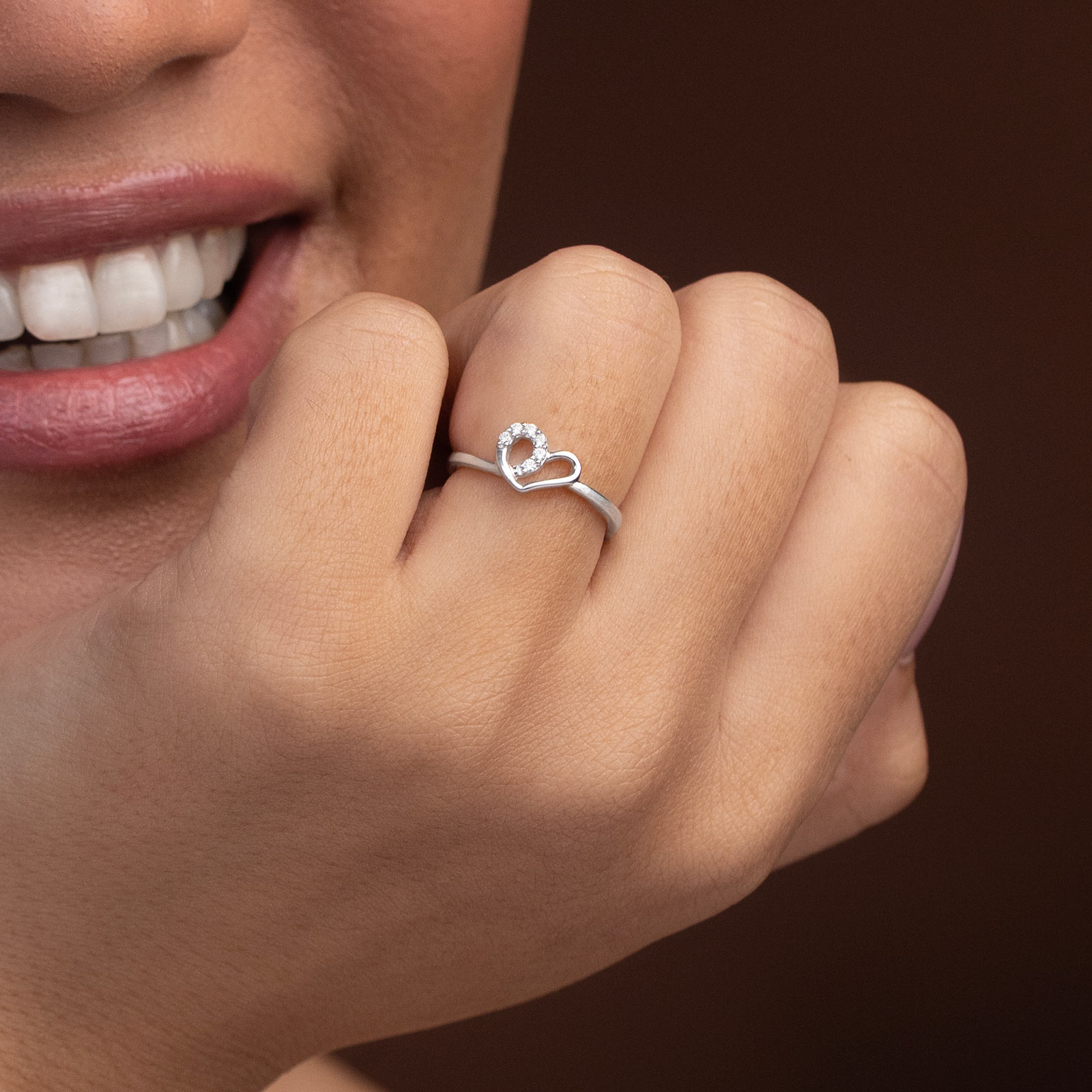
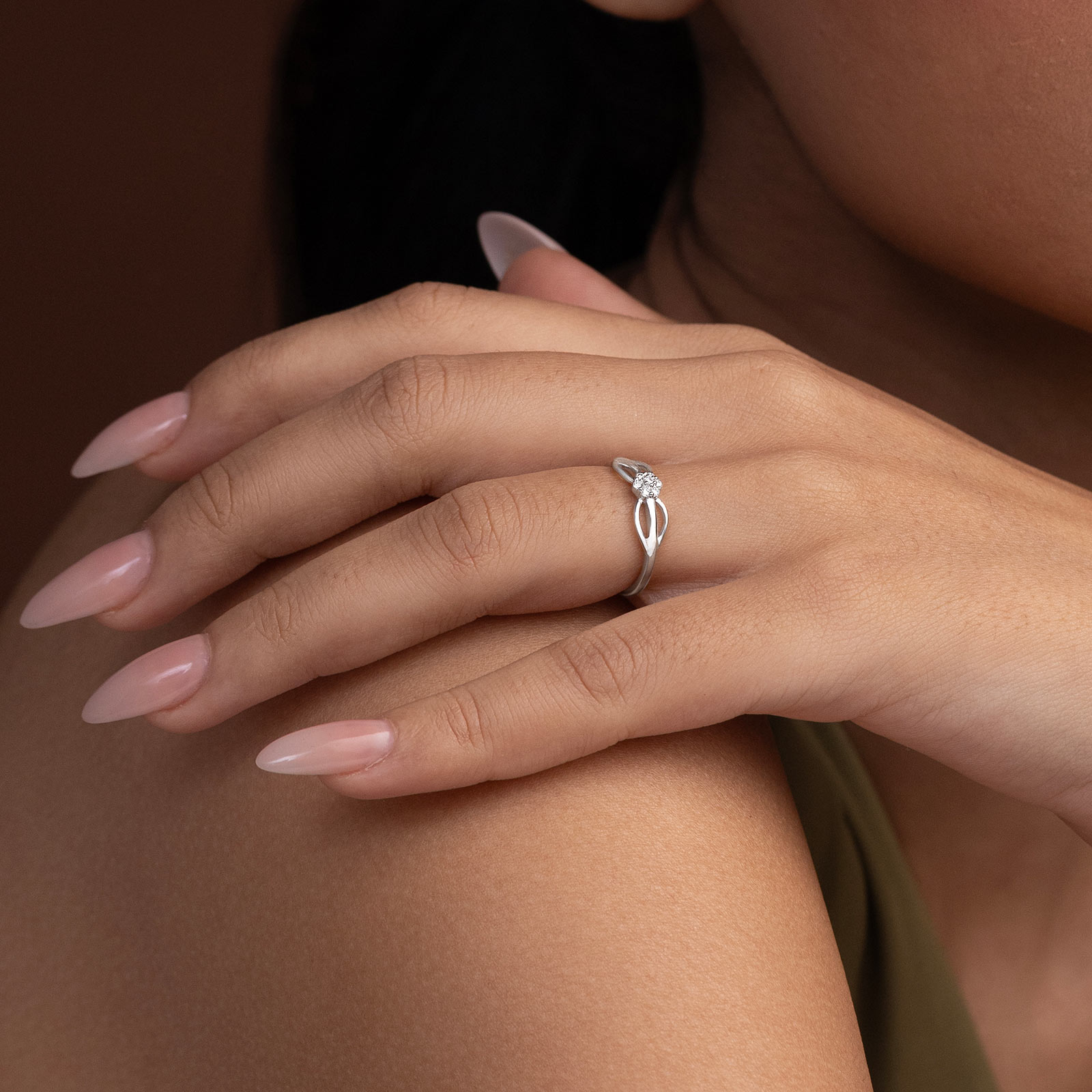
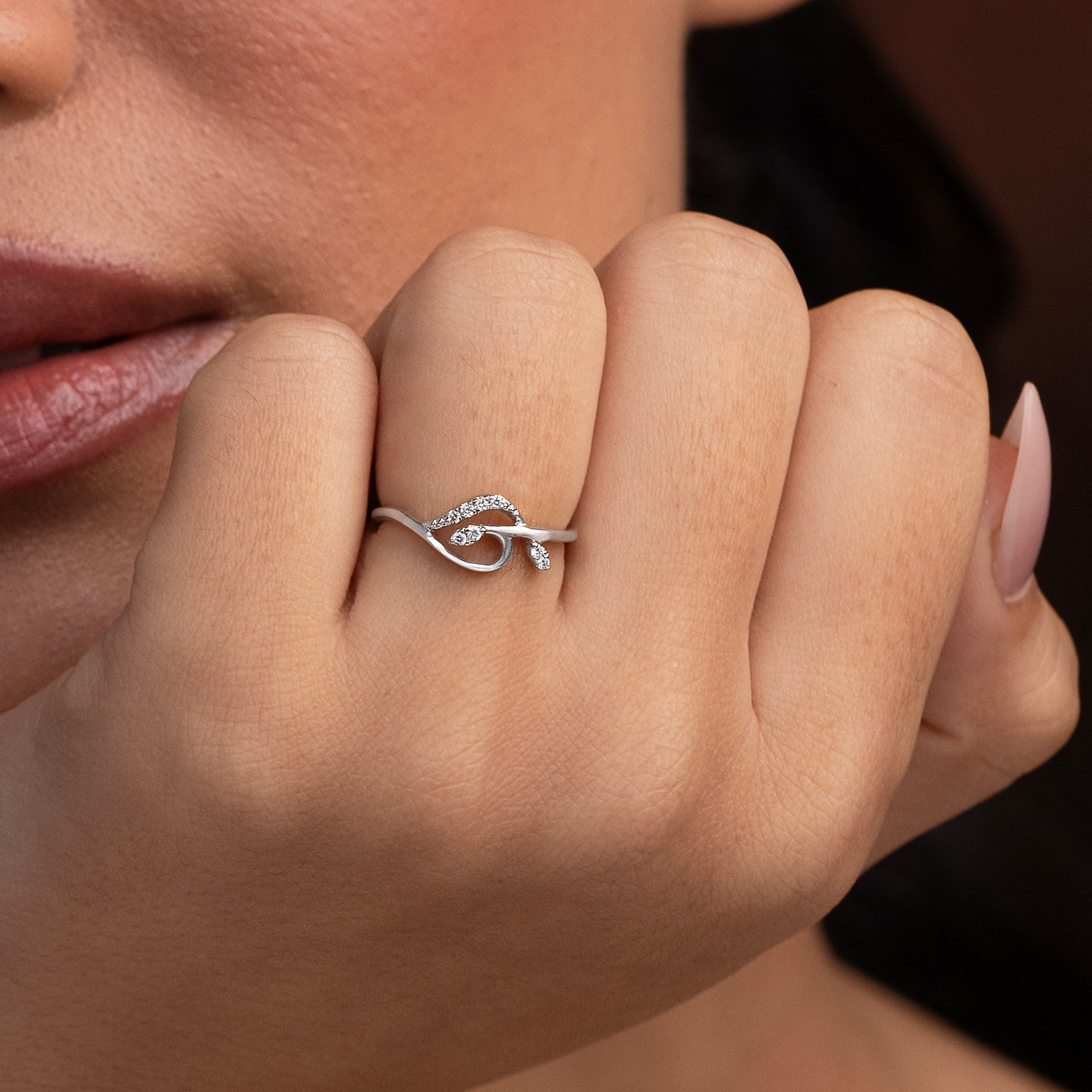
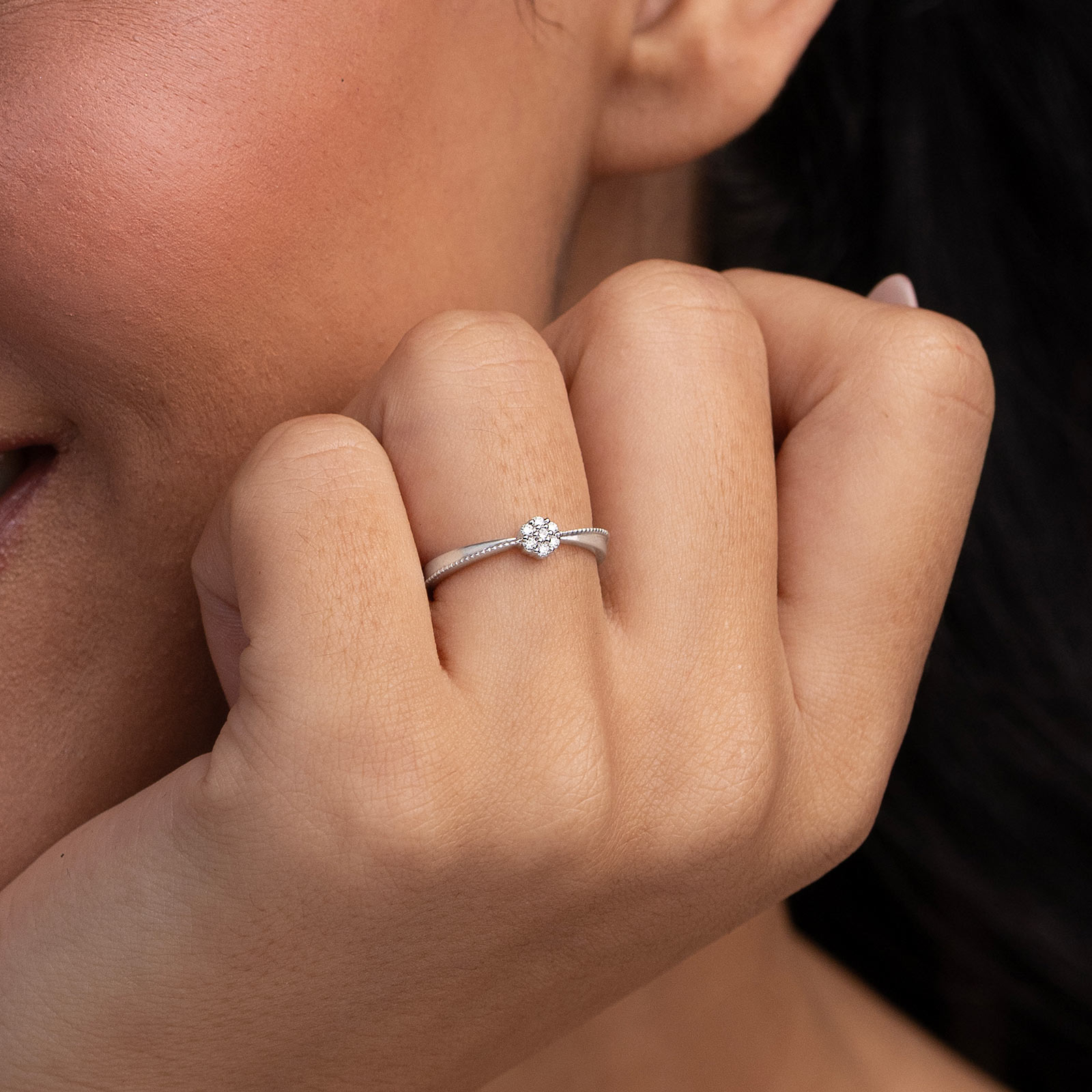
Types of Jewellery Metals Explained
To further clarify the gold vs silver debate, let’s review the main metals found in jewellery. Variations in gold alloys and silver compositions affect colour, strength, and price.
Yellow Gold
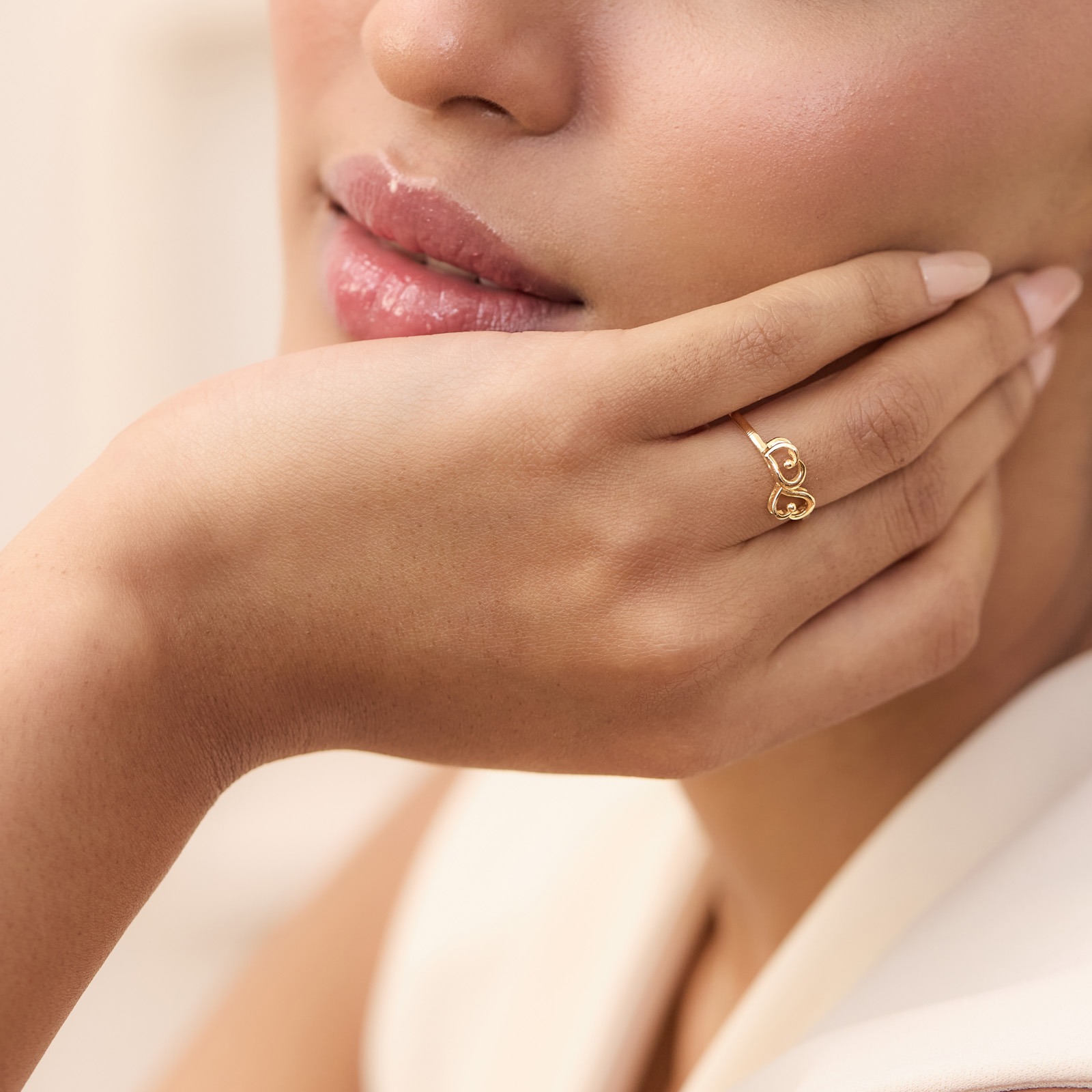
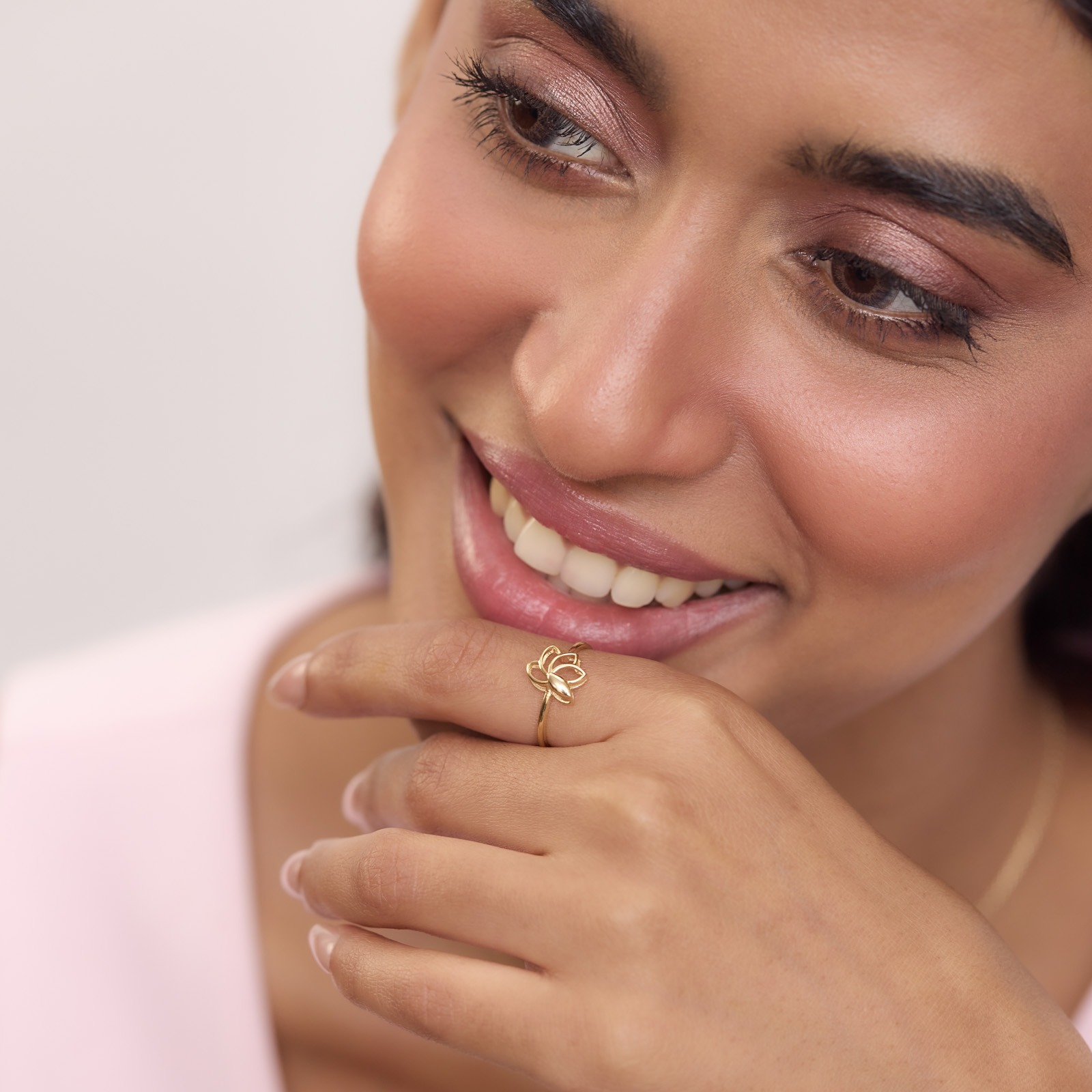
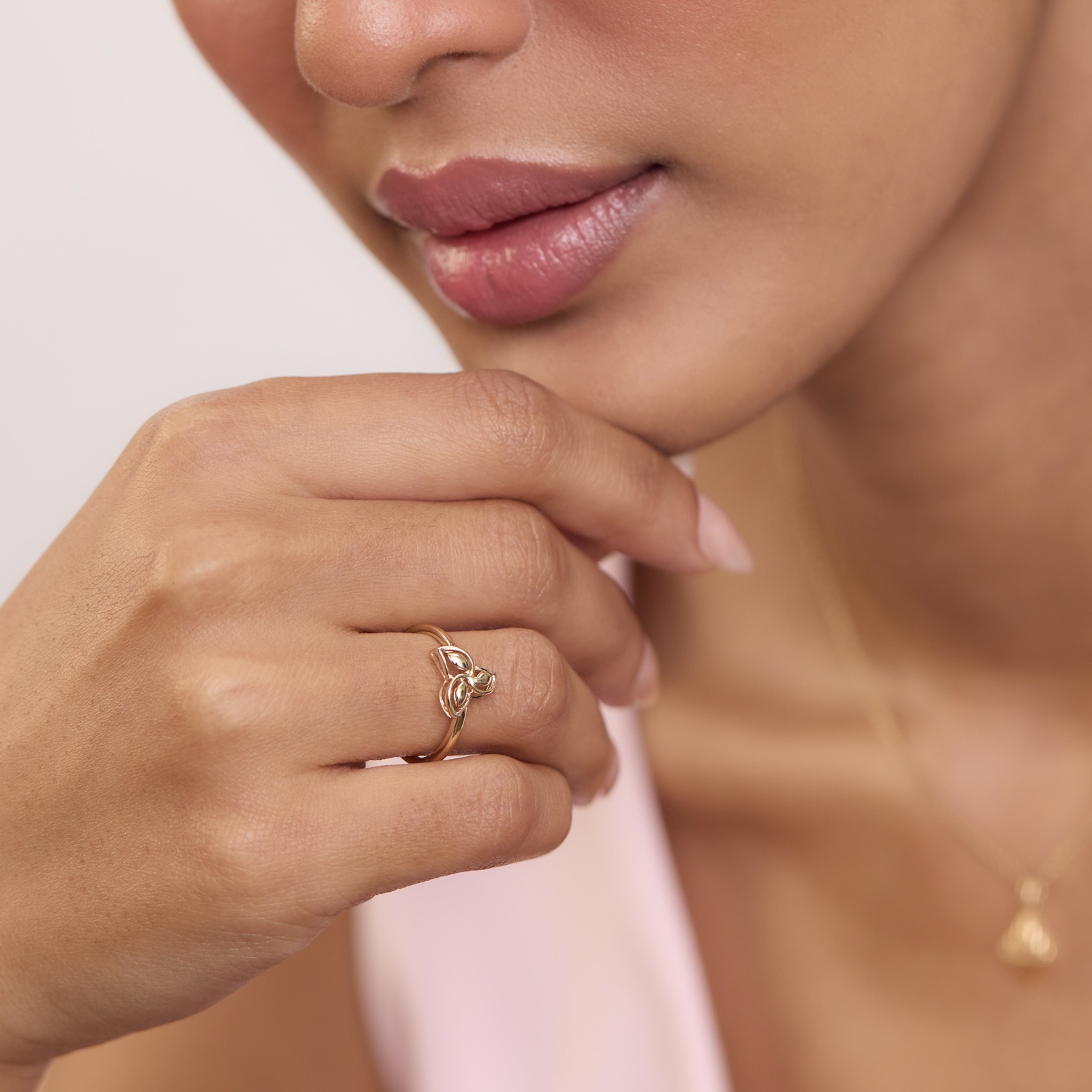
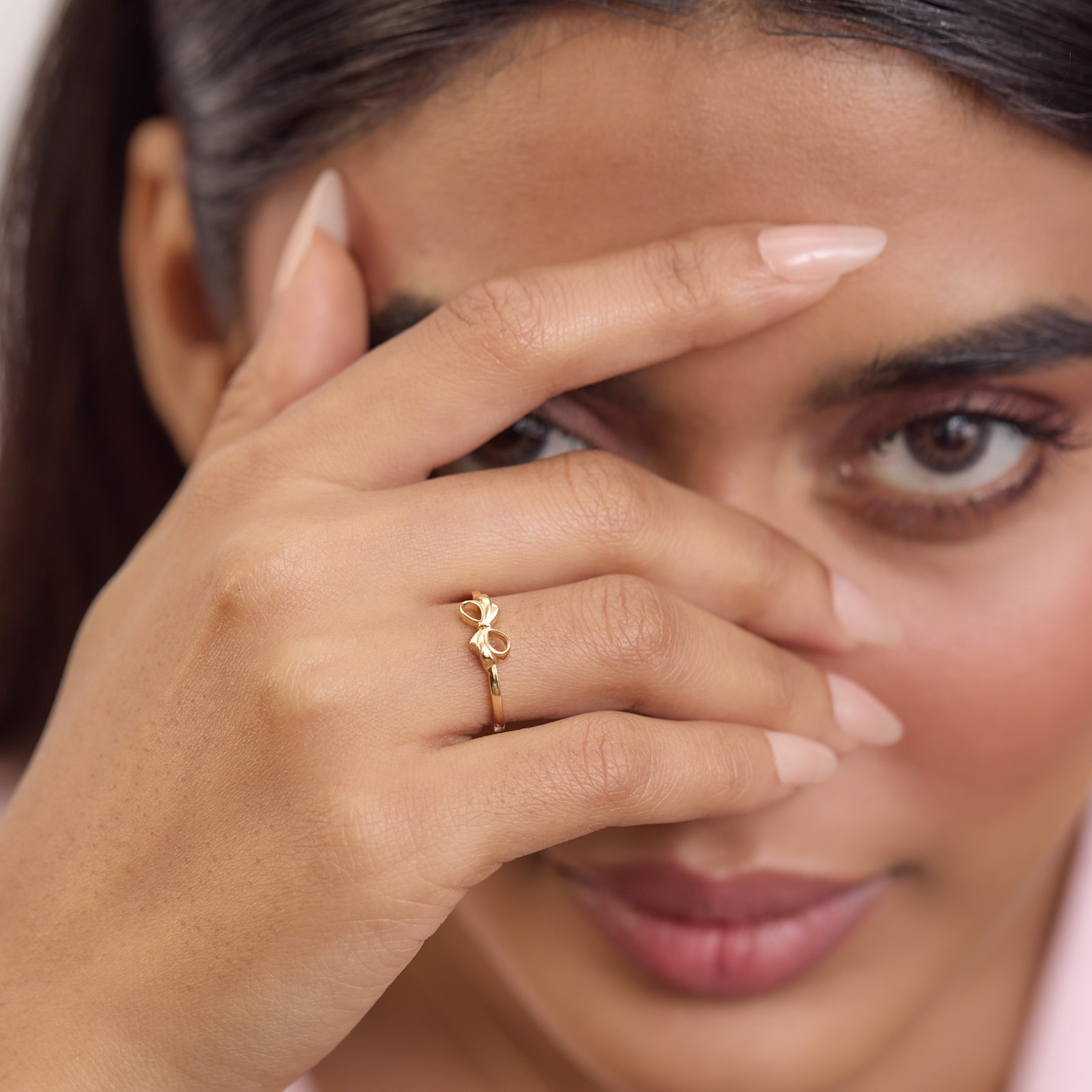
Yellow gold is one of the most traditional jewellery metals and remains deeply rooted in Indian jewellery culture. It is created by combining pure gold with metals such as copper and zinc to improve strength while preserving its characteristic warm colour.
Because of its classic appearance and long-standing cultural significance, yellow gold is frequently used in rings, bangles, necklaces, and heirloom pieces. Its durability and resistance to tarnishing make it a reliable choice for jewellery that is worn regularly or passed down through generations.
Rose Gold
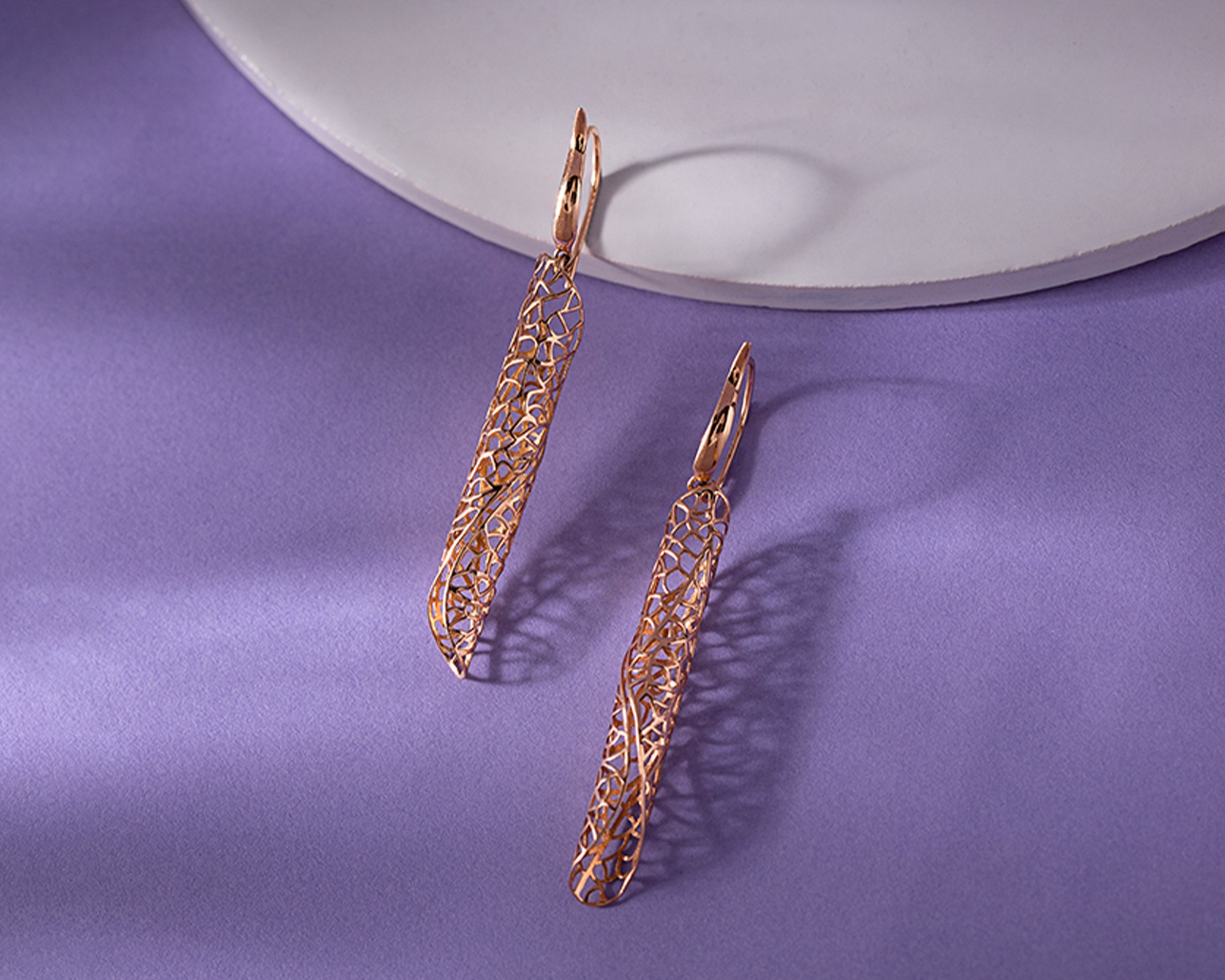
Rose gold has become increasingly popular in modern jewellery design. This metal is formed by blending gold with copper, which produces its distinctive pinkish tone.
Compared with silver, rose gold offers a warmer and softer aesthetic. Many people consider it an excellent middle ground in the gold vs silver jewellery debate because it combines warmth with contemporary style.
Rose gold jewellery is especially appealing for everyday wear, as its subtle colour pairs easily with both casual and formal outfits. It is also particularly flattering for individuals with neutral skin tones, who can comfortably wear either warm or cool metals.


White Gold
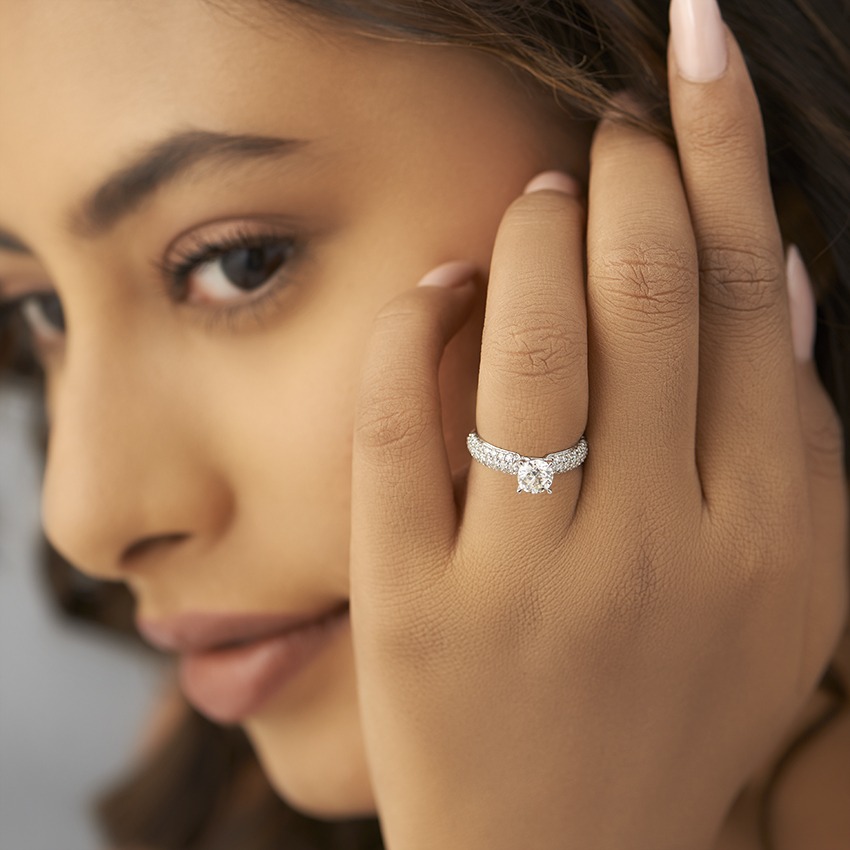
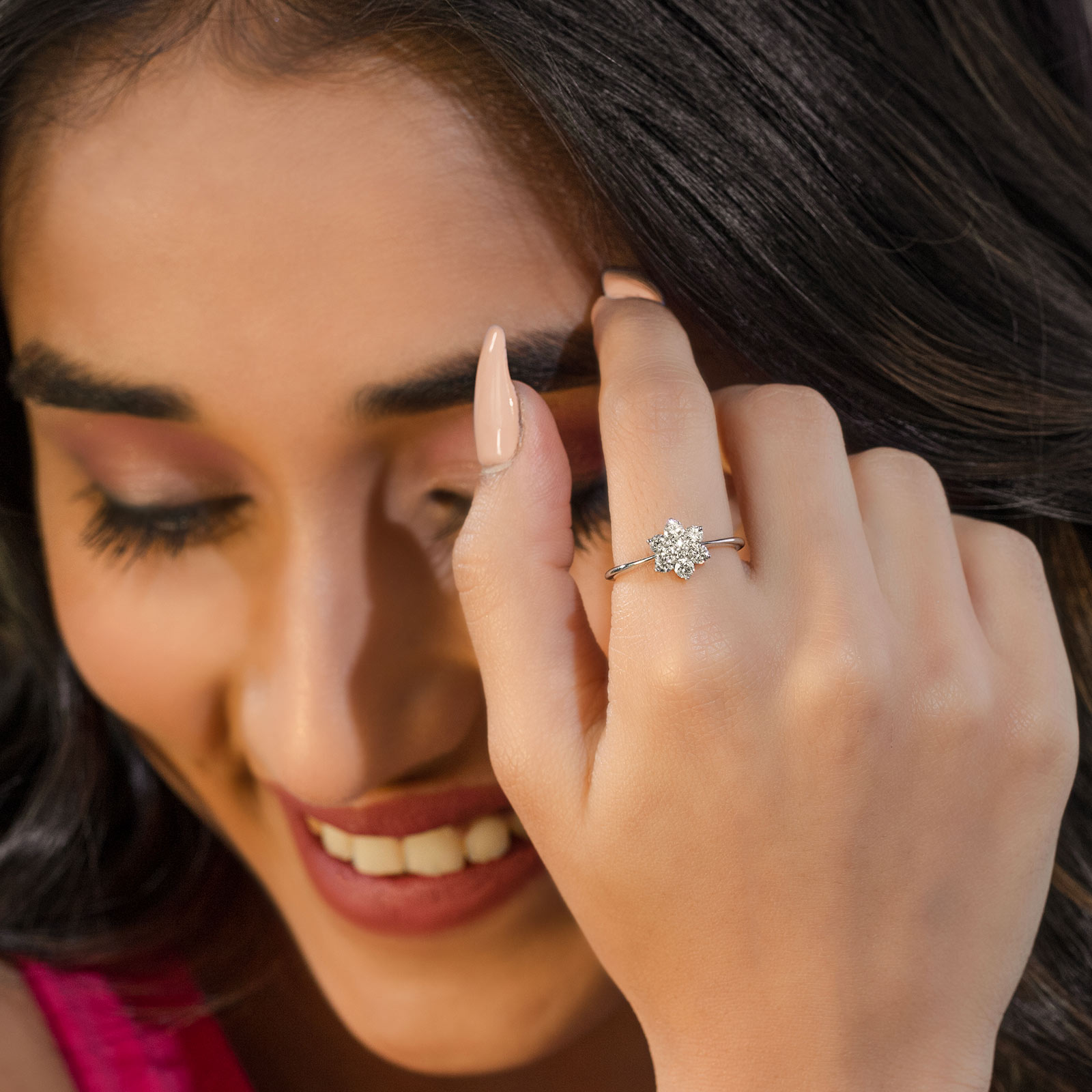
White gold is produced by mixing gold with white metals such as palladium or nickel. The resulting alloy has a pale metallic colour, often enhanced by rhodium plating.
Rhodium plating is applied to strengthen the metal’s surface and create a brighter, mirror-like finish. Because of this treatment, white gold often looks similar to silver but offers greater durability.
White gold jewellery is frequently chosen for modern designs, engagement rings, and contemporary everyday accessories due to its sleek appearance.
925 Sterling Silver
925 sterling silver is the most common form of silver used in jewellery. It consists of 92.5% pure silver combined with small amounts of other metals—usually copper—to improve strength.
Pure silver alone is too soft for practical jewellery, so sterling silver is widely used instead. The addition of alloy metals increases durability while maintaining the metal’s bright and reflective finish.
Sterling silver jewellery is particularly popular for minimalist styles, lightweight pieces, and fashion-forward designs.
Gold vs Silver Jewellery: Pros and Cons
With a basic understanding, we can look more closely at the strengths and drawbacks of each metal. This helps buyers decide which suits their preferences when weighing gold vs silver jewellery.
Advantages of Gold Jewellery
Gold jewellery is renowned for its ability to last for decades, maintaining its beauty with minimal care. Its resistance to corrosion and tarnishing helps gold retain both aesthetic and financial value, making it an excellent option for jewellery that is worn daily or for special occasions.
Another major benefit is gold’s resale value, which tends to remain strong due to its status as a precious metal. In many countries, especially India, gold jewellery is often viewed as both an accessory and a financial asset.
Its durability and long-term worth make gold an appealing choice for heirloom pieces, wedding jewellery, and significant gifts.
Advantages of Silver Jewellery
925 sterling silver jewellery allows buyers to enjoy elegant, on-trend styles without a high price tag. Its affordability lets you expand your jewellery collection and experiment with different looks, making it appealing for those who value both style and cost savings.
Silver is also lighter, making it comfortable for everyday accessories such as earrings, pendants, and delicate bracelets. Its cool tone complements modern fashion trends, which is why many designers create trendy, minimalist pieces in sterling silver.
Limitations of Gold Jewellery
Despite its many advantages, gold jewellery has a few drawbacks. One of the most noticeable is its higher cost, which can make certain designs more expensive than silver alternatives.
Gold is also denser, meaning jewellery pieces can feel heavier, particularly when crafted in higher-purity grades or larger designs.
For buyers who prefer lightweight jewellery or lower price points, gold may not always be the most practical choice.
Limitations of Silver Jewellery
Silver jewellery can tarnish over time due to its natural reaction to air and moisture. This can cause the metal to develop a darker surface layer, which usually requires polishing to restore its shine.
Another limitation is its lower resale value compared with gold. While silver remains valuable, it is rarely purchased as a long-term investment like gold.
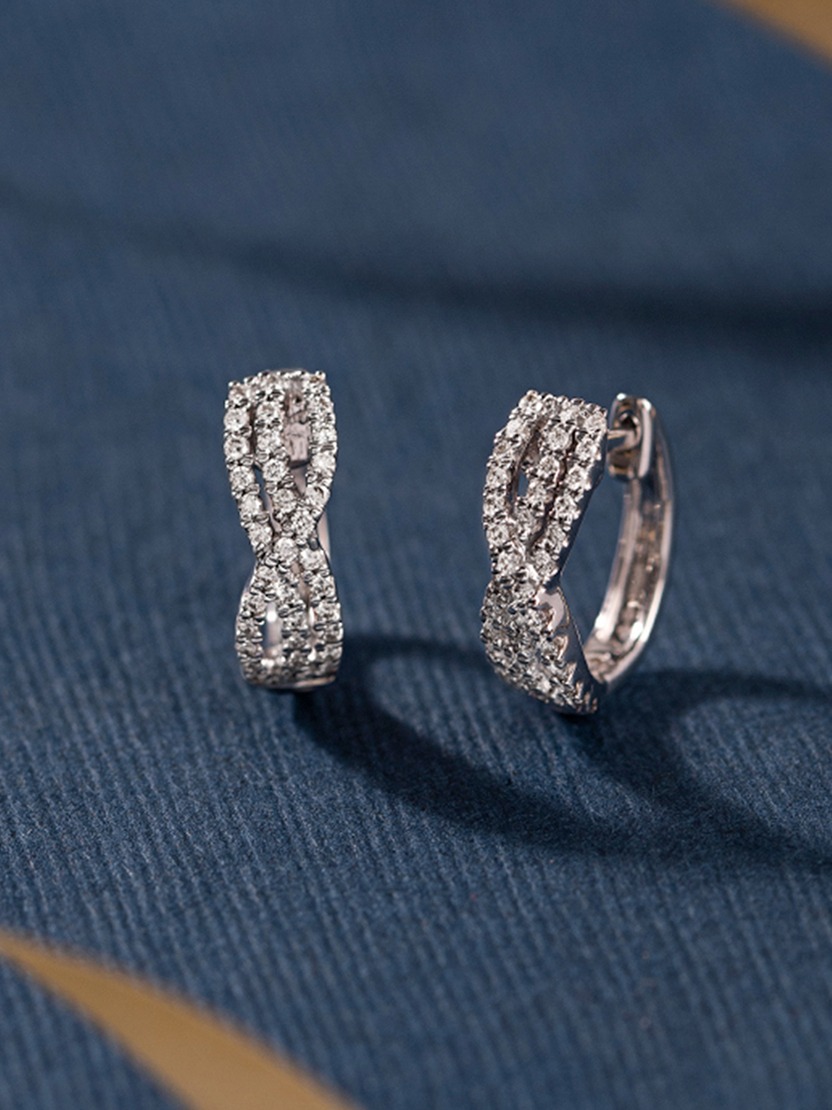
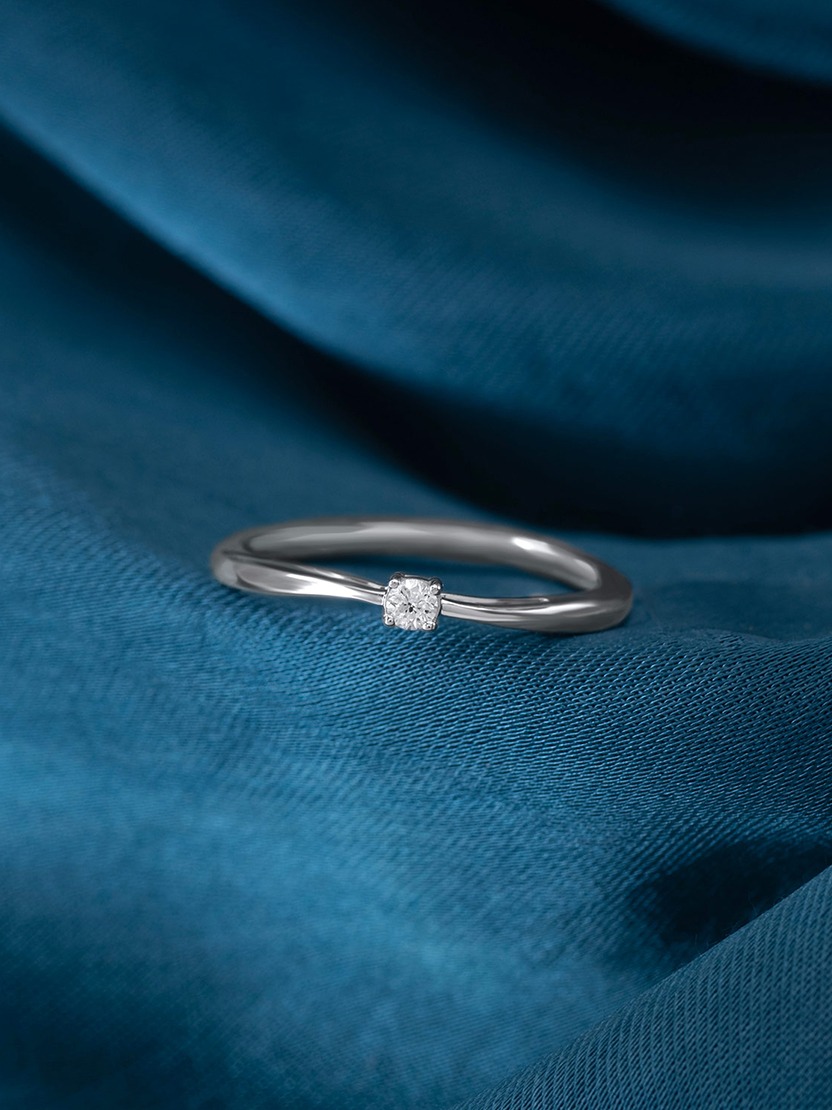
Some buyers find it difficult to distinguish between white gold and silver. Let’s look at how they differ in composition, appearance, and price to make the choice more straightforward.
White Gold vs Silver: What’s the Difference?
Although they appear similar, white gold differs from silver jewellery in composition, durability, and price. The rhodium plating on white gold also affects its appearance and maintenance.
| Feature | White Gold | Silver |
| Composition | Gold alloy mixed with white metals | 925 sterling silver alloy |
| Surface Finish | Often coated with rhodium plating | Naturally bright finish |
| Durability | More durable and scratch-resistant | Softer and more prone to scratches |
| Maintenance | May require re-plating over time | Needs periodic polishing |
| Price | Usually more expensive | Generally more affordable |
White gold provides a premium alternative to silver with improved durability, while silver remains a budget-friendly option with a similar cool appearance.
Now it’s time to consider which metal in jewellery best complements your skin tone.
Which Jewellery Metal Suits Your Skin Tone?
Choosing between gold and silver jewellery often depends on your skin’s natural undertones. Undertones influence how certain metals appear against your complexion.
Warm Skin Tones
People with warm undertones usually have hints of yellow, peach, or golden hues in their skin. Jewellery with warm tones tends to complement these undertones best.
Yellow gold jewellery often enhances warm complexions, creating a balanced and radiant appearance.
Cool Skin Tones
Cool undertones are characterised by subtle pink, red, or bluish hints beneath the skin.
Individuals with cool undertones often find that silver jewellery and white gold jewellery complement their complexion, as these metals reflect cooler tones that harmonise with their skin.
Neutral Skin Tones
Neutral undertones fall somewhere between warm and cool, allowing greater flexibility when choosing jewellery. People with neutral skin tones can usually wear gold and silver comfortably, making it easier to mix metals or experiment with different styles.
Daily Wear Jewellery: Gold or Silver?
When selecting daily wear jewellery, durability and comfort are important considerations.
Gold jewellery is often preferred for everyday use because it resists tarnishing and maintains its appearance with minimal maintenance. White gold also performs well as a daily accessory due to its durability and modern finish.
Sterling silver pieces can also work well for daily wear if they are lightweight and properly cared for. Regular cleaning helps preserve their shine and prevent tarnish buildup.
Hypoallergenic Jewellery: Which Metal Is Safer?
For individuals with sensitive skin, choosing hypoallergenic jewellery is essential.
Metal allergies are often linked to nickel sensitivity, which can occur in certain alloys used in jewellery. Higher-purity gold typically contains fewer reactive metals, reducing the likelihood of irritation. Sterling silver is generally well tolerated by most people, though it may still contain small amounts of alloy metals. Buyers with highly sensitive skin may prefer jewellery made from higher-purity metals.
Gold vs Silver Investment: Which Metal Holds Better Value?
For those considering jewellery as an investment, it’s useful to compare gold vs silver investment potential as a store of value.
Gold generally holds a stronger position in financial markets. Gold jewellery retains a significant portion of its value, as reflected in its resale value. In India, especially, gold is widely considered a reliable store of wealth and is frequently purchased for both cultural and financial reasons.
Silver, while still valuable, is typically seen more as a material for fashion jewellery than as a primary investment. Market fluctuations can also affect gold vs silver returns, which is why investors often track a gold vs silver chart when evaluating precious metals.
How to Choose Between Gold and Silver Jewellery
If you are deciding between the two metals, consider the following factors:
- Skin tone: Warm undertones often pair well with gold, while cooler undertones suit silver or white gold.
- Budget: Silver jewellery is generally more affordable, while gold requires a larger investment.
- Lifestyle: Durable metals like gold may be better for frequent wear.
- Resale value: Gold tends to retain a stronger resale value.
- Occasion: Silver works well for casual and modern styles, while gold suits traditional and formal jewellery.
Evaluating these factors can help narrow down the most suitable option for your needs.
Explore Gold, Silver and White Gold Jewellery at CaratLane
Whether you prefer warm golden tones or sleek silver finishes, there are many beautiful options available when choosing jewellery for everyday wear or special occasions.
CaratLane offers a wide selection of gold jewellery collections, elegant white gold jewellery, and stylish sterling silver jewellery designed for modern lifestyles. From delicate daily wear pieces to statement designs, each collection balances contemporary aesthetics with fine craftsmanship.
Why Choose CaratLane Jewellery?
When purchasing jewellery, quality, trust, and convenience matter as much as design. CaratLane combines modern aesthetics with reliable standards to ensure every piece delivers both beauty and authenticity.
- Certified Jewellery – Every piece is crafted from certified metals and gemstones, ensuring authenticity and adherence to trusted quality standards.
- BIS Hallmarked Gold – Gold jewellery is hallmarked to BIS standards, helping buyers feel confident about its purity and value.
- Try‑at‑Home Service – Customers can shortlist designs online and experience select pieces at home before purchasing, making it easier to choose the perfect jewellery.
- Easy Returns and Exchange – Flexible return and exchange policies provide added peace of mind when shopping online.
- Lifetime Exchange Value – Many CaratLane pieces come with lifetime exchange options, allowing customers to upgrade or exchange jewellery in the future.
- Modern Designs for Everyday Wear – CaratLane specialises in lightweight, contemporary jewellery suited for everyday wear as well as special occasions.
- Trusted Craftsmanship – Each design reflects careful attention to detail, balancing durability with elegant aesthetics.
With a wide variety of designs across gold, white gold, and sterling silver, CaratLane makes it easy to discover jewellery that complements your personal style, skin tone, and lifestyle.
Conclusion
When it comes to gold vs silver jewellery, there is no single right answer; only the choice that best fits your style, lifestyle, and priorities. Gold continues to be valued for its durability, timeless appeal, and strong long-term worth, making it a favourite for heirloom pieces and meaningful investments. Silver, on the other hand, offers a modern aesthetic, lighter feel, and accessible price point, making it ideal for contemporary designs and everyday styling.
Understanding how different metals interact with your skin tone, daily routine, and budget can make the decision far easier. Whether you prefer the warmth of gold, the cool elegance of silver, or the sleek look of white gold, the right jewellery should feel both comfortable and expressive of your personal style.
Exploring well-crafted collections from trusted jewellers like CaratLane can help you find pieces that combine beauty, quality, and versatility, ensuring your jewellery is not only a fashion statement but also a lasting part of your story.
FAQs about Gold vs Silver Jewellery
- Is gold or silver better for skin tone?
It depends on your complexion’s undertones. Skin with golden or peach undertones often pairs beautifully with yellow gold, while skin with cooler undertones tends to look more balanced with silver or white gold.
- What is the difference between white gold and silver?
White gold is a mix of gold with other white metals and is coated with a rhodium layer to enhance brightness. Silver jewellery uses 925 sterling silver, which contains mostly pure silver combined with alloy metals for strength.
- Is sterling silver good for daily wear?
Sterling silver works well as lightweight daily wear jewellery. However, occasional cleaning may be necessary to maintain its shine and prevent surface tarnish.
- Does gold jewellery have better resale value than silver?
Yes. Gold jewellery generally holds stronger resale value because gold is widely regarded as a precious metal with consistent demand in financial markets and the jewellery trade.
- Is gold or silver better for sensitive skin?
Jewellery made from higher-purity metals is usually less likely to cause irritation. Both high-purity gold and sterling silver are suitable for people seeking hypoallergenic jewellery that is gentle on sensitive skin.