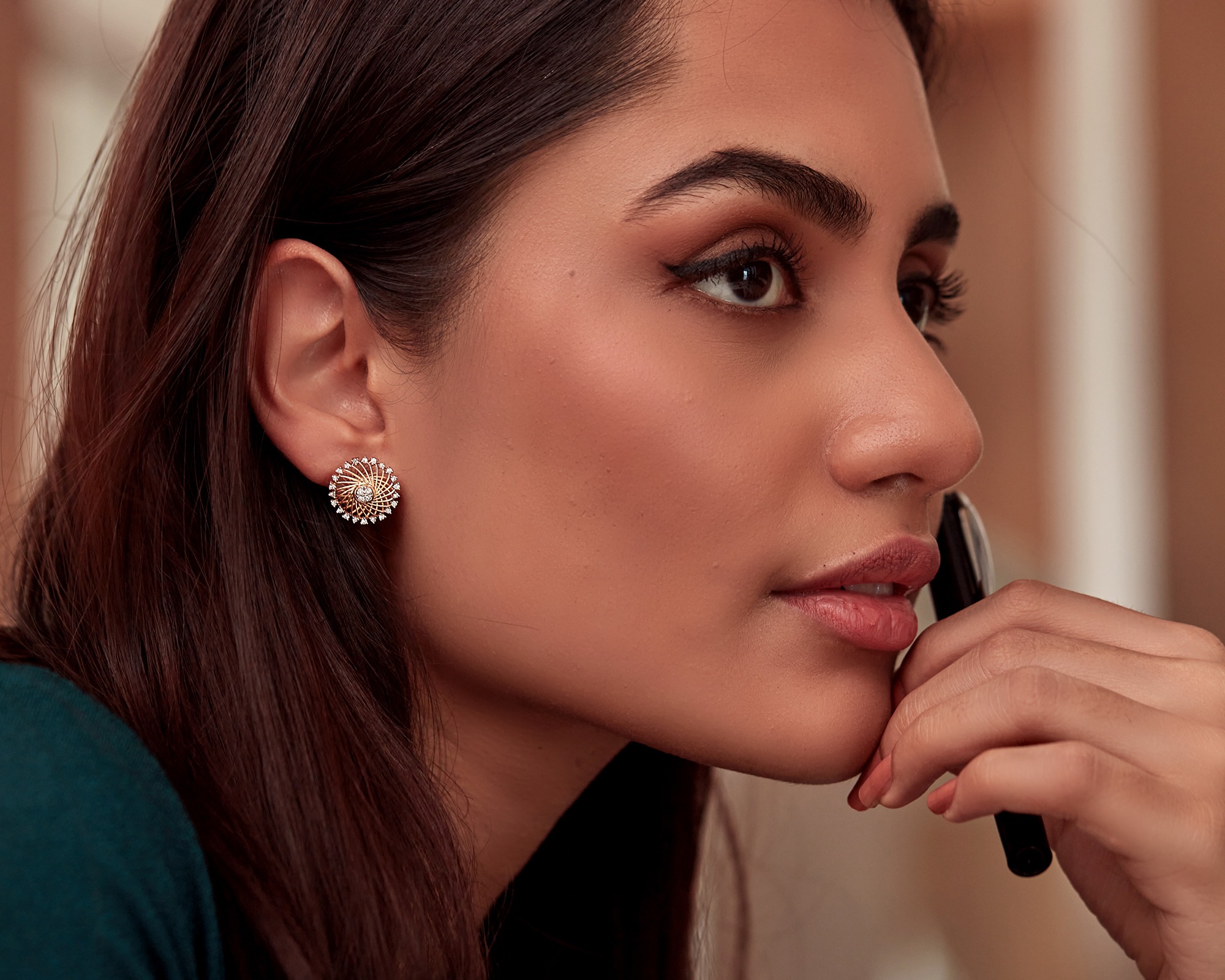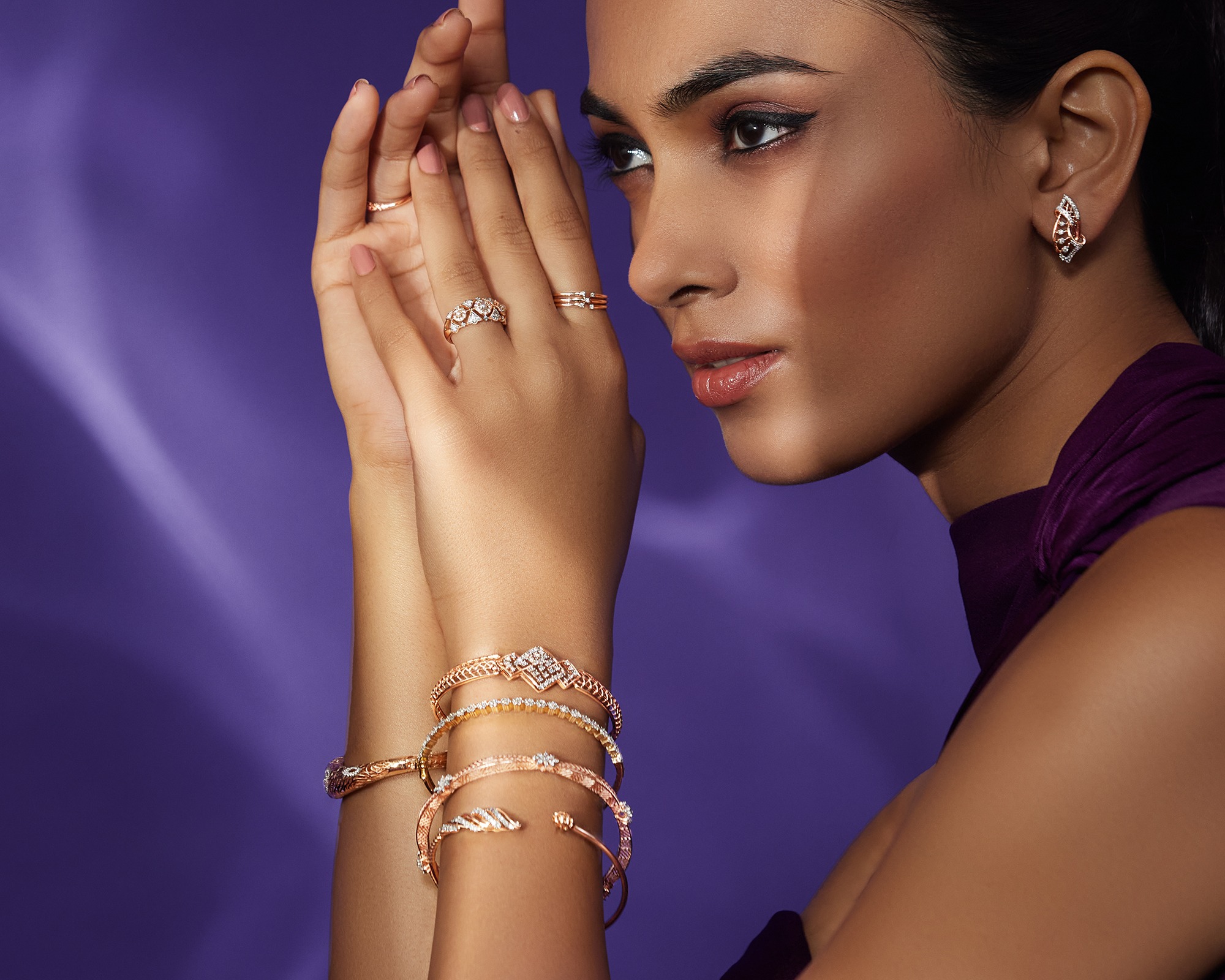
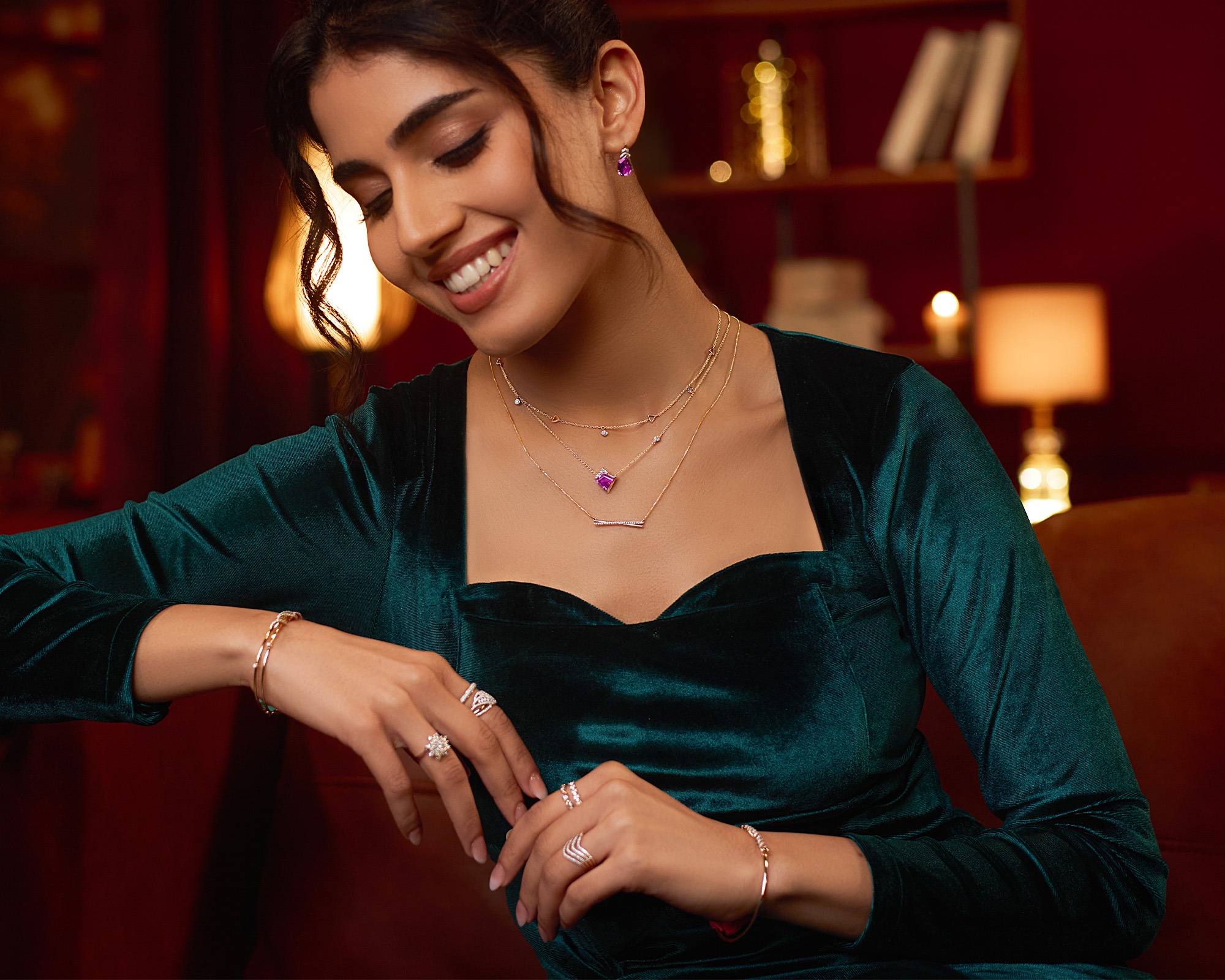
A common misconception: the best diamond quality isn’t the most expensive. It’s the diamond that looks right, fits the purpose, and matches the budget without unnecessary compromise.
The confusion around diamond quality is understandable. Terms like diamond clarity, diamond colour, and diamond carat are thrown around in ways that suggest a single correct answer — but the reality is more nuanced and, once understood, considerably more useful. This guide clearly explains the 4Cs framework, shows how they interact, and provides a practical basis for making a confident decision.
What Does Diamond Quality Really Mean?
Diamond quality is assessed by four measurable characteristics — cut, clarity, colour, and carat — collectively known as the 4Cs. Each factor affects the appearance and price of a stone, but not equally or in isolation.
The diamond grading system exists to create a common language for describing stones that are otherwise difficult to compare. A diamond quality chart gives you a framework, but the most important question is not “what is the highest grade?” but “what grade produces the best visible result at this price?”
There is no single perfect diamond for everyone. The right combination of the 4Cs depends on the stone’s size, setting, metal, occasion, and budget. Understanding how the factors interact is what allows you to buy well rather than simply spend more.
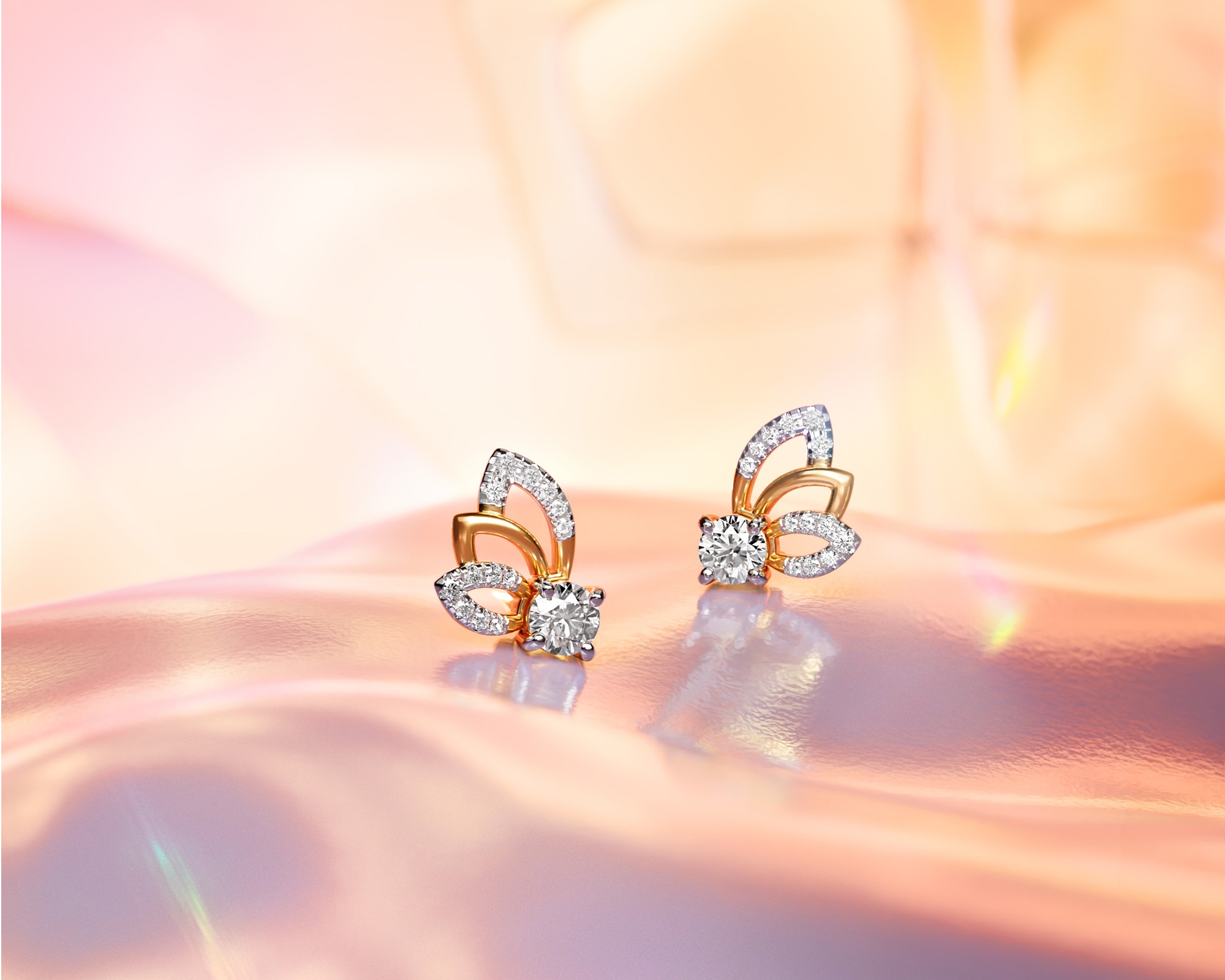
What is the Best Quality Diamond Name and Grade?
The grading scales for each of the 4Cs have well-defined top tiers — and knowing what they are is useful context, even if buying at those tiers is rarely necessary.
The Highest Diamond Grades Explained
In clarity, FL (Flawless) is the highest grade — a stone with no internal inclusions or external blemishes visible under 10x magnification. In colour, D (Colourless) is the top of the scale, a stone with no detectable colour whatsoever. In a cut, Ideal or Excellent is the highest rating, indicating a stone that reflects light with maximum efficiency.
These are the grades that appear at the top of every diamond quality chart and carry the highest price premiums.
Why the “Highest Grade” is Not Always the Best Choice
The price gap between a D-colour stone and an F- or G-colour stone is significant. The visible difference when the ring is worn, particularly set in a yellow or rose gold mounting, is minimal to the naked eye.
Value-based buying means paying for those diamond qualities that make a visible difference to the appearance, rather than simply choosing the highest-graded stones on paper. For example, the price difference between a D colour diamond and an F or G is often substantial, but the visual difference is minimal once set. Similarly, although FL clarity is the highest, a VS1 or VS2 stone is typically indistinguishable from an FL stone under normal wear. The best quality diamond is not the one with the highest technical grades, but the one that looks excellent and aligns with your budget, ensuring you get what you actually see and value.
The Diamond Quality Chart: The 4Cs Explained
The 4Cs interact in ways that make each purchase decision unique. Understanding each factor individually and how they combine is the foundation of a sound diamond-buying decision.
Diamond Cut – The Secret to Sparkle
Of all the 4Cs, diamond cut quality has the most direct and visible impact on how a stone appears. Cut is not the shape of the diamond — it is the precision with which the facets are angled and proportioned to reflect light.
An Ideal-cut diamond, or one graded Excellent, reflects light back through the top of the stone with maximum efficiency. This produces three optical effects: brilliance (white light return), fire (the rainbow flashes of colour visible when the stone moves), and scintillation (the pattern of light and dark that creates the impression of sparkle in motion). A poorly cut stone, regardless of its clarity or colour grade, will look flat and lifeless by comparison.
Which diamond cut is best in practical terms? Excellent or Ideal. Never compromise on cut to buy a larger stone — the size gain will not compensate for the loss of visual impact.
Diamond Clarity – From Flawless to Eye-Clean
Diamond clarity refers to the presence of internal inclusions (crystals, feathers, clouds formed during the diamond’s growth) and external blemishes. The diamond clarity chart runs from FL (Flawless) through VVS1/VVS2, VS1/VS2, SI1/SI2, to I1/I2/I3.
The most practical concept in clarity assessment is the eye-clean standard, a stone in which no inclusions are visible to the naked eye under normal viewing conditions. Most VS1 and VS2 stones, and many SI1 stones, meet this standard. Paying for VVS or FL clarity when the difference is only visible under magnification is a budget use that produces no visible return in daily wear.
Which diamond clarity is best for most buyers? VS2 or SI1, verified as eye-clean. This is where the best combination of appearance and value consistently sits.
Diamond Colour – The Quest for Whiteness
Diamond colour grades run from D (completely colourless) to Z (visibly yellow or brown). The grades D through F are considered colourless; G through J are near-colourless, and for most buyers, the difference between a G and a D is not detectable once the stone is set.
The choice of metal significantly affects how the colour reads in a finished ring. A near-colourless stone in a yellow gold setting will appear whiter than it grades, because the metal reflects warmth into the stone. White gold and platinum settings are more unforgiving of lower colour grades. Best diamond clarity and colour as a combined frame: prioritise colour grades G–H, which offer near-colourless appearance at a meaningfully lower price than D–F.
Diamond Carat – Size vs Value
Diamond carat measures weight, not dimensions — one carat equals 0.2 grams. The relationship between carat and price is not linear: a 1-carat diamond does not cost twice what a 0.5-carat diamond costs, because larger stones are progressively rarer.
Buying just below round-number thresholds — 0.90 carat instead of 1.00, 0.45 instead of 0.50 — produces meaningful savings with almost no perceptible difference in size. Carat is the factor buyers are most fixated on, and the one that delivers the least visible value per rupee spent compared to cut.
Which Diamond Quality is Best for You?
The 4Cs do not operate independently — the right combination depends on what the diamond is for, who is wearing it, and what the budget can accommodate. The merged view of quality and value comes down to a few consistent principles.
The Smart Buyer’s Sweet Spot
For most purchases, the combination that delivers the best visible quality at a reasonable cost is: VS1 or VS2 clarity, G or H colour, and an Ideal or Excellent cut. A stone meeting these criteria will look visually identical to one graded FL/D/Ideal at a fraction of the price.
This is the combination consistently recommended by gemologists for buyers who want quality without an unnecessary premium.
Best Diamond Quality for Engagement Rings
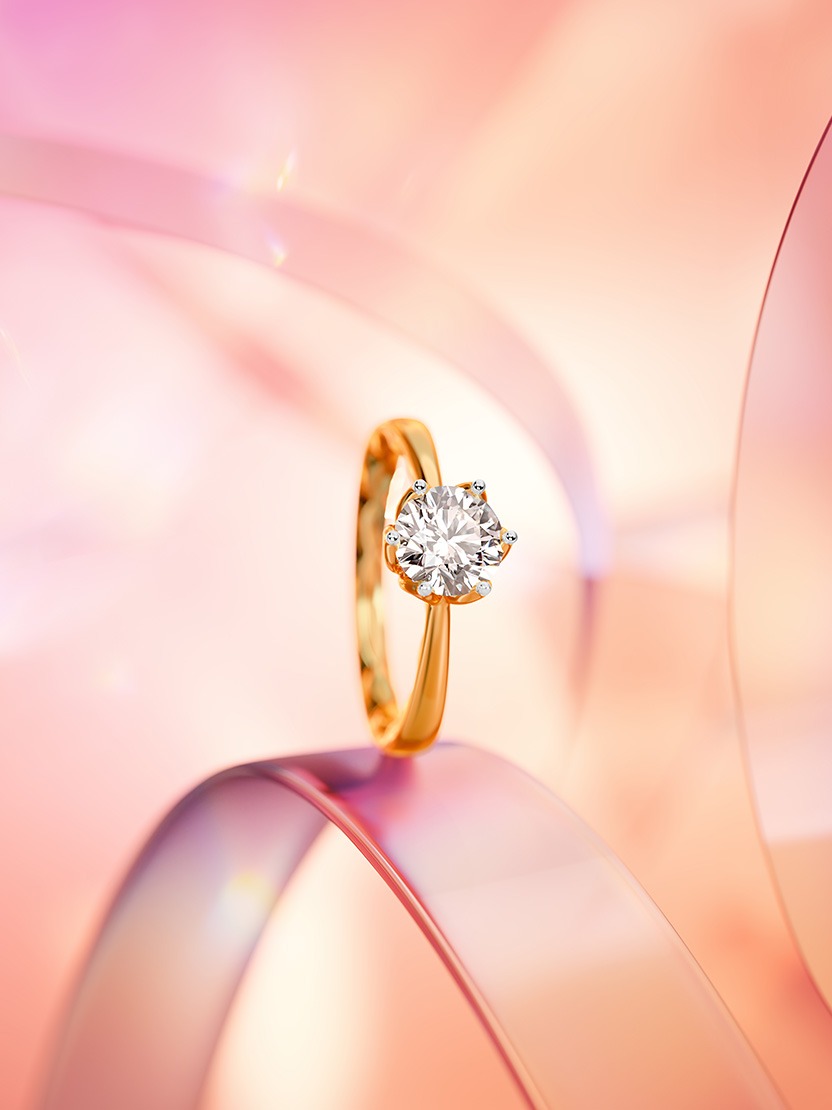
For an engagement ring, cut and clarity deserve the most attention — this is a ring worn daily and examined closely. An Excellent cut in the VS1–VS2 range, G–H colour, at a carat weight that suits the setting and the wearer’s preference, is the standard to aim for. The stone should be verified as eye-clean before purchase.
Best Diamond Quality for Daily Wear
Daily wear requires balancing practicality and aesthetics. A lower-profile setting protects the stone from impact, while opting for a VS2 or SI1 clarity grade maintains its appearance without incurring a high cost. Both the metal and the stone need to be durable—18KT gold or platinum is an appropriate choice for everyday rings.
Best Diamond Quality on a Budget
A limited budget does not mean settling for poor quality; it means making informed trade-offs. Prioritise cut, then clarity (an eye-clean SI1 is suitable), and colour (H or I works well in yellow gold settings). Reducing carat weight slightly can help maintain cut quality and achieve a better-looking ring than opting for a larger stone with a compromised cut.
Diamond Colour vs Clarity: What Should You Prioritise?
The honest answer is that it depends on the setting and the stone size.
For smaller stones (under 0.5 carat), clarity matters less; inclusions are harder to see at smaller sizes, so SI1 or even SI2 may be eye-clean. Colour becomes relatively more important because smaller stones show colour more readily.
For larger stones (1 carat or more), both factors become more noticeable. Clarity should be VS2 at minimum; colour should be G or better in white metal settings.
Where to compromise: colour before clarity in yellow or rose gold settings (the metal masks warmth in the stone); clarity before colour in white gold or platinum settings (where colour is more visible against the neutral metal). The best clarity grade for most settings is VS2, the point where quality is visible, and cost is still reasonable.
VVS vs VS vs SI Diamonds: Which Clarity is Worth It?
VVS diamonds (VVS1 and VVS2) have inclusions so small they are extremely difficult to see even under 10x magnification. They are technically exceptional stones and priced accordingly, but the premium is paid for a characteristic that is invisible in normal wear.
VS diamonds (VS1 and VS2) have minor inclusions not visible to the naked eye. This is where most informed buyers land — the stones look flawless in wear, and the price is significantly lower than VVS. VS2 is often the practical ceiling of value: anything above it pays for quality that only a loupe can confirm.
SI diamonds (SI1 and SI2) have inclusions that may be visible under magnification and occasionally to the naked eye in SI2 stones. SI1, which has been verified as eye-clean, is a strong value choice; SI2 requires careful inspection before purchase.
Flawless diamond grades are rarely worth their premium for jewellery purposes. They make sense for investment-grade stones where provenance and technical perfection are the point — not for a ring that will be worn daily.
How to Check Diamond Quality Like a Pro
Verifying diamond quality before purchase does not require specialist equipment — it requires knowing what to look for and where to look.
The Sparkle Test
Observe the stone in different lighting conditions — natural daylight, warm indoor light, and direct light. A well-cut diamond will show brilliance (white light), fire (colour flashes), and scintillation (movement of light as the stone moves) in all conditions. A stone that looks impressive only under bright jewellery store lighting but dull elsewhere has likely been cut to perform under those specific conditions rather than in real-world wear.
Check for Eye-Clean Clarity
View the stone with the naked eye from the top (the table facet) at a distance of roughly 15–20cm. If no inclusions are visible, the stone is eye-clean for practical purposes. This is a more useful standard for daily wear jewellery than the technical clarity grade alone.
Understand Product Specifications
Any reputable jeweller will clearly list the cut, clarity, colour, and carat weight of each stone. Vague descriptions like “premium quality” or “sparkling diamonds” without supporting specifications are a flag. Ask for the specific grades; if they are not forthcoming, the quality information is being withheld for a reason.
Certification & Quality Assurance
Global grading standards — established by bodies such as GIA and IGI — provide a common framework for diamond assessment. When buying, look for transparency in how quality is communicated: clear product-level specifications, consistent grading language, and a brand whose quality standards are applied consistently across its range. A trusted brand with transparent quality details and a strong return policy provides the kind of assurance that supports a confident purchase, particularly where individual stone certification documents are not part of the standard purchase.
Buy from Trusted Brands
Brand trust is not a substitute for quality information, but it is a meaningful signal. CaratLane, as a TATA product, operates with the transparency and accountability standards associated with that group. Product specifications are clearly listed, quality is consistent across the range, and the return and exchange policies ensure that purchases that do not meet expectations can be addressed.
Best Diamond Quality in India: What Buyers Should Know
The Indian diamond jewellery market is large, competitive, and varied in quality standards. For buyers, the key principles are consistent regardless of budget: prioritise transparency, insist on hallmarked gold settings, verify stone specifications before purchase, and buy from brands whose quality practices are consistent and verifiable.
The best diamond quality in India is not about finding the lowest price for a given grade; it is about finding the combination of quality, transparency, and purchase confidence that makes the decision feel sound both before and after.
Why CaratLane Diamonds Are a Smart Choice
CaratLane’s diamond jewellery range reflects a consistent set of priorities worth understanding for buyers.
Focus on Visual Brilliance
Stones are selected with visible quality as the primary criterion, the sparkle and brilliance that matters in daily wear, not just the technical grade on a specification sheet.
Transparent Quality Breakdown
Product specifications, including clarity, colour, cut, and carat, are clearly listed for each piece, giving buyers the information needed to make a genuinely informed comparison.
Designed for Everyday Wear
The range is built around wearability, settings that protect stones, weights that are comfortable for daily use, and designs that hold up over time rather than purely for occasion wear.
Trust, Certification and Convenience
All gold settings are BIS hallmarked. The Try-at-Home service allows you to assess pieces in your own environment before committing. 15-day returns and lifetime exchange mean the purchase carries long-term support rather than ending at the point of sale.
Common Mistakes to Avoid When Choosing Diamond Quality
- Overpaying for unnecessary clarity. VVS and FL grades carry significant premiums for characteristics that are invisible under normal wear. VS2 eye-clean is the practical ceiling of value for most buyers.
- Ignoring cut. Cut is the single factor most visible in daily wear, and the one most frequently sacrificed to increase stone size. A larger stone with a poor cut will consistently disappoint; a smaller, excellently cut stone will consistently impress.
- Choosing size over sparkle. Carat weight is the most marketed metric and the least reliable indicator of visual quality. A 0.70 carat Excellent cut stone will outperform a 1.00 carat Poor cut stone in every lighting condition.
- Not understanding the trade-offs. Every diamond purchase involves trade-offs between the 4Cs. Understanding them allows you to make deliberate choices; not understanding them means you are at the mercy of whoever is selling to you.
There is No One “Best” Diamond
The best diamond quality is a combination, not a single top-of-scale grade. It is the intersection of cut, clarity, colour, and carat that produces a stone which looks excellent to the eye, suits its purpose, and represents genuine value at the price paid.
For most buyers, that intersection sits at Excellent cut, VS2 clarity, G–H colour, at a carat weight that fits the setting and the budget. Everything above that is paying for characteristics that a loupe can confirm and the naked eye cannot detect.
Buy at the grade where quality becomes visible, not at the grade where it peaks on a chart. That is where the best diamonds are, and it is almost never at the very top of the scale.
Explore CaratLane’s diamond ring collection.
FAQs
- What is the best diamond quality?
The best quality diamond for most buyers is an Excellent or Ideal cut, VS1–VS2 clarity, G–H colour, at a carat weight suited to the setting and budget. This combination delivers visible quality without paying for grades that only instruments can distinguish.
- Which diamond quality is best for a ring?
For a ring worn daily, prioritise cut and clarity above all. The best diamond for a ring would be Excellent cut, VS2 eye-clean clarity, G or H colour. This produces a stone that looks exceptional in wear at a price that reflects genuine value.
- Which diamond clarity is best?
The best diamond clarity depends on the stone’s size and setting. VS2 is the practical standard for most buyers — eye-clean in normal wear, meaningfully less expensive than VVS grades, and suitable for daily use. SI1 verified as eye-clean is also a strong value choice.
- How can I check diamond quality before buying?
Observe the stone under various lighting conditions to assess brilliance and fire. Check that it is eye-clean from the table facet at normal viewing distance. Review the product specifications for cut, clarity, colour, and carat, and buy from a brand with consistent, transparent quality standards.
- What is the best diamond quality in India?
The best diamond quality in India is less about finding a specific grade and more about finding the right combination of transparency, consistent quality standards, and confidence in the purchase. A brand that clearly lists specifications, uses hallmarked gold, and stands behind its products with clear return policies is the practical definition of quality in the Indian market.
Suggested Reading: