
If you love the clean lines and contemporary sparkle of diamond jewellery but hesitate at the checkout, you’re not alone. Many buyers pause at the thought that choosing modern 18-karat designs might mean throwing money away compared to traditional 22-karat gold. The belief is persistent, and it creates real doubt.
Let’s clear this up directly and remove all ambiguity.
Yes, 18k gold has resale value in India.
It is liquid, tradeable, and monetisable, just like 22kt gold. The difference lies not in whether it has value, but how that value is calculated and why it is used.
You can explore contemporary 18kt options in yellow, white, and rose tones across trusted collections such as those offered by CaratLane, where design and resale safeguards are built into the buying experience.

Understanding the Basics: What is 18kt Gold?
18-karat gold contains 75% pure gold, with the remaining 25% made up of strengthening metals like copper or silver. This is not a compromise in quality — it’s a structural choice.
A helpful way to think about it is this: 18k gold isn’t “lesser” gold; it’s “stronger” gold.
Pure gold is soft by nature. Adding alloys increases durability, allowing the metal to hold intricate shapes and secure gemstones. When you eventually sell or exchange an 18k piece, you are paid for the 75% pure gold content, based on prevailing market rates.
In other words, the gold inside your jewellery remains an asset, just calibrated differently from higher-purity formats.

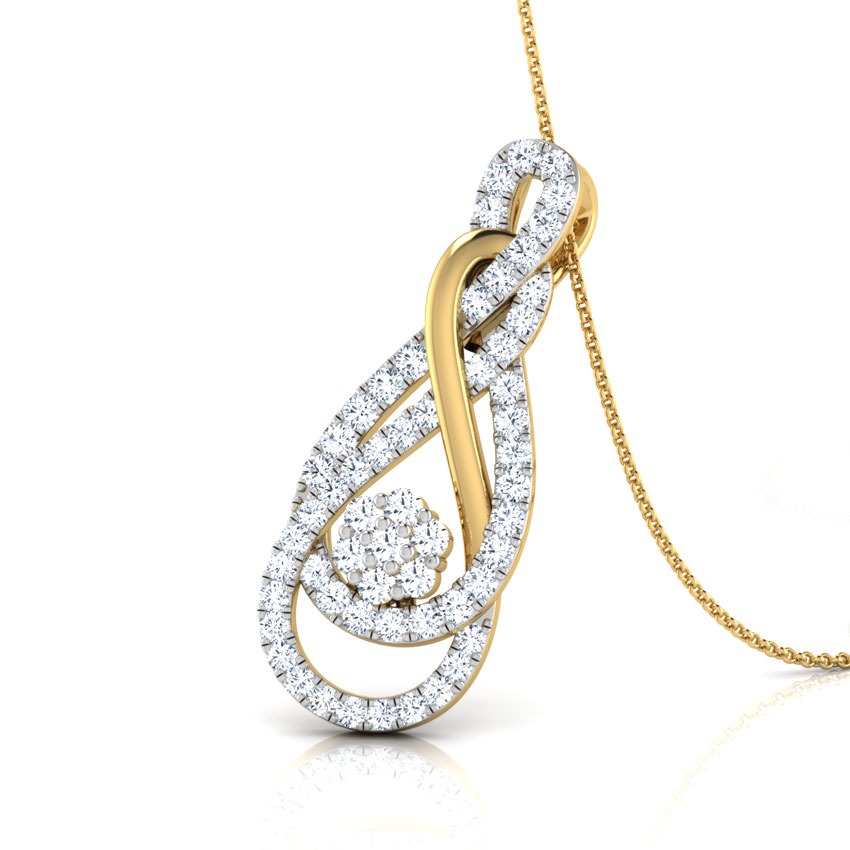

The Math: How to Calculate 18k Gold Resale Value
One of the most empowering things you can do as a buyer is understand the numbers. The resale value of 18k gold follows a simple and transparent formula:
(Weight of gold in grams) × (current 24k gold rate) × 0.75
That’s it.
Because the benchmark is the daily 24k gold price, 18k gold prices fluctuate in step with the wider gold market, just like 22k. There’s no fixed or arbitrary rate applied to 18k jewellery.
Pro tip: Diamonds and gemstones are assessed separately. Their resale value depends on factors such as cut, clarity, colour, and the jeweller’s specific buyback policy, not the gold calculation above.

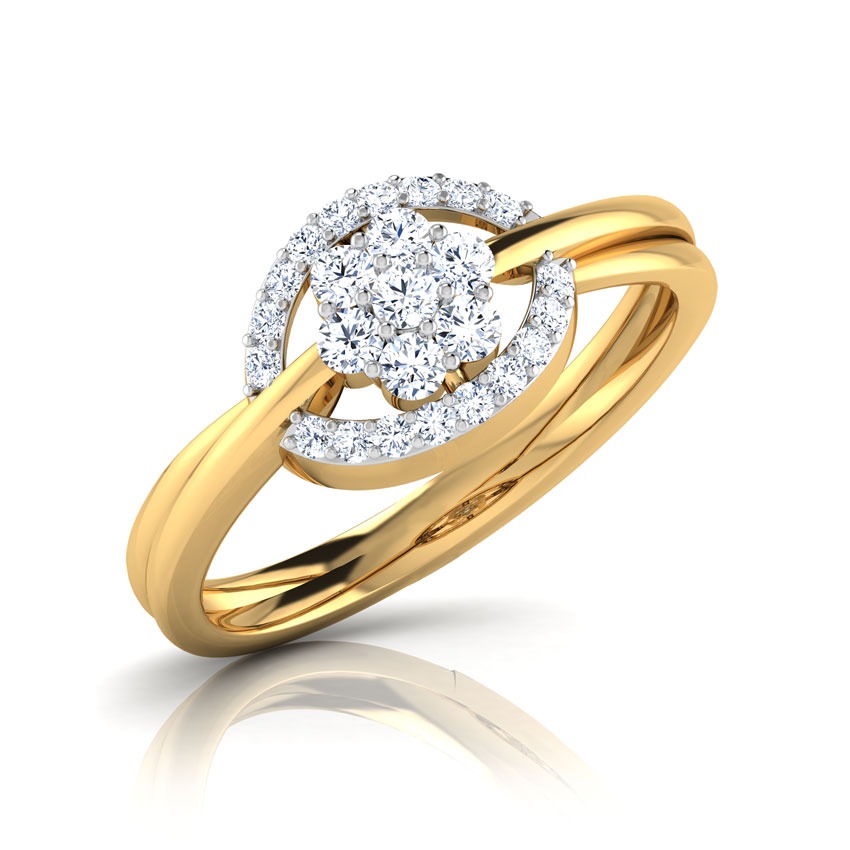
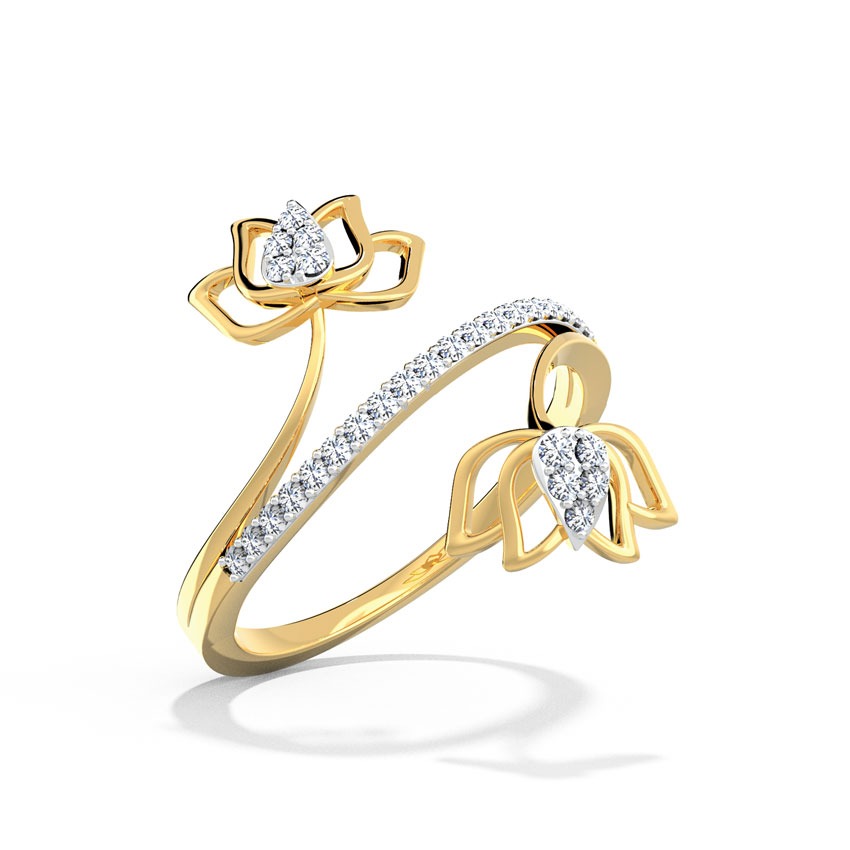

18k vs. 22k: Which is Better for Resale?
There is generally a lot of confusion around “investment value” when it comes to 18k vs. 22k gold jewellery. Let’s break it down for you.
The 22k advantage
With 91.6% purity, 22k gold naturally gives you a slightly higher cash return per gram. If you intend to buy plain gold jewellery or coins purely for storage, 22k makes sense.
The 18k reality
You still receive 75% of the gold’s value at resale. Any perceived “loss” usually comes from making charges, and these are deducted from both 18k and 22k jewellery. The gold itself does not disappear in value.
The practical verdict
- Buying plain gold as an investment → 22k
- Buying diamond jewellery to wear regularly → 18k
The right choice depends on how you plan to use the jewellery, not on myths around resale.


Why Diamonds Are Always Set in 18k Gold
There’s a functional reason diamonds and 22k gold don’t mix.
22k gold is too soft to hold stones securely. Over time, prongs can loosen, increasing the risk of diamonds falling out. This is why jewellers worldwide rely on 18k gold for diamond settings.
The real role of 18k gold is structural: it grips the diamond firmly, protecting the more valuable component of the piece. When you choose 18k for diamond jewellery, you’re not downgrading your investment; you’re safeguarding it.
Maximising Your Returns: 3 Things to Check Before Buying
If resale and exchange matter to you (and they should), a few checks at the time of purchase make all the difference to the resale value of 18k gold in India.
1. BIS hallmark and “750” stamp
This marking confirms that the jewellery meets Indian standards for 18-karat purity. Without it, resale becomes complicated.
2. Clear bill breakup
Your invoice should list the gold weight, the diamond weight, and the making charges separately. Transparency today protects you tomorrow.
3. Buyback and gold exchange policy
Reputed brands like CaratLane offer lifetime exchange and buyback on 18k jewellery, typically at 100% of the prevailing gold value (excluding making charges). This ensures liquidity whenever you need it.
Conclusion: Wear Your Wealth, Don’t Hide It
18k gold sits at the intersection of durability, design, and financial sense. It allows you to enjoy modern diamond jewellery every day while retaining the comfort of knowing that the gold remains a real, recoverable asset.
Instead of locking value away in a cupboard, 18k gold lets you live with it.
Ready to invest in jewellery you can wear with confidence? Explore hallmarked 18kt gold jewellery online from CaratLane, backed by transparent pricing and a lifetime exchange policy.
You may also want to explore:
- Diamond rings (a natural fit for 18k gold settings)
- The Gold Exchange Policy page, which provides detailed resale terms
FAQs on Resale Value of 18k Gold in India
- Does the colour of 18k gold affect how much I get back at resale?
No. Whether your jewellery is yellow, white, or rose, the buyback amount is based on gold purity and weight, not colour. As long as the piece is hallmarked 18k (750), it is valued the same per gram.
- What factors are deducted when selling 18k gold jewellery?
At resale, the gold value is calculated using the current market rate and the gold content. Making charges and GST are not recovered, similar to what happens with 22k jewellery.
- Is 18k gold better suited for short-term or long-term resale?
18k gold works well for both. In the short term, it provides liquidity through exchanges or buybacks. Over the long term, its value rises with gold prices, while also giving you the benefit of being worn and enjoyed.
- How do jewellers arrive at the gold value for 18k pieces?
Most jewellers use the prevailing 24k gold rate and apply the 75% purity factor to arrive at the resale value. The final amount is linked to daily gold prices, just like 22k gold.
- Does branded 18k jewellery have an advantage at resale?
Yes. Jewellery from reputed brands with clear documentation, hallmarks, and transparent policies is usually easier to resell or exchange. Established buyback policies remove uncertainty at the time of resale.
- What happens to the diamonds when I resell 18k gold jewellery?
The gold and diamonds are assessed separately. Gold is valued by weight and rate, while diamonds are evaluated based on quality parameters and the jeweller’s specific exchange or buyback terms.
Suggested Reading :
What Is The Difference Between 24K, 22K, 18K, 14K & 10K Gold
Understanding 9K, 14K, 18K, 22K, and 24K Gold Before You Buy