
Have you ever ordered a pair of “minimalist” studs online, only to wonder if they were even there once you put them on? Or bought “medium” hoops that felt closer to hula hoops than everyday jewellery? In the world of earrings, 2 millimetres can make all the difference between elegant and extra.
This is where an earring size chart becomes your best friend. While jewellery shopping should feel joyful, size is often the biggest uncertainty, especially when shopping online. The goal isn’t too big (heavy, distracting, impractical) or too small (barely visible). It’s about finding the size that feels just right for your lifestyle, piercing, and personal style.
Think of this guide as your practical earring size guide, one that makes earring size comparison confidence-building and straightforward.
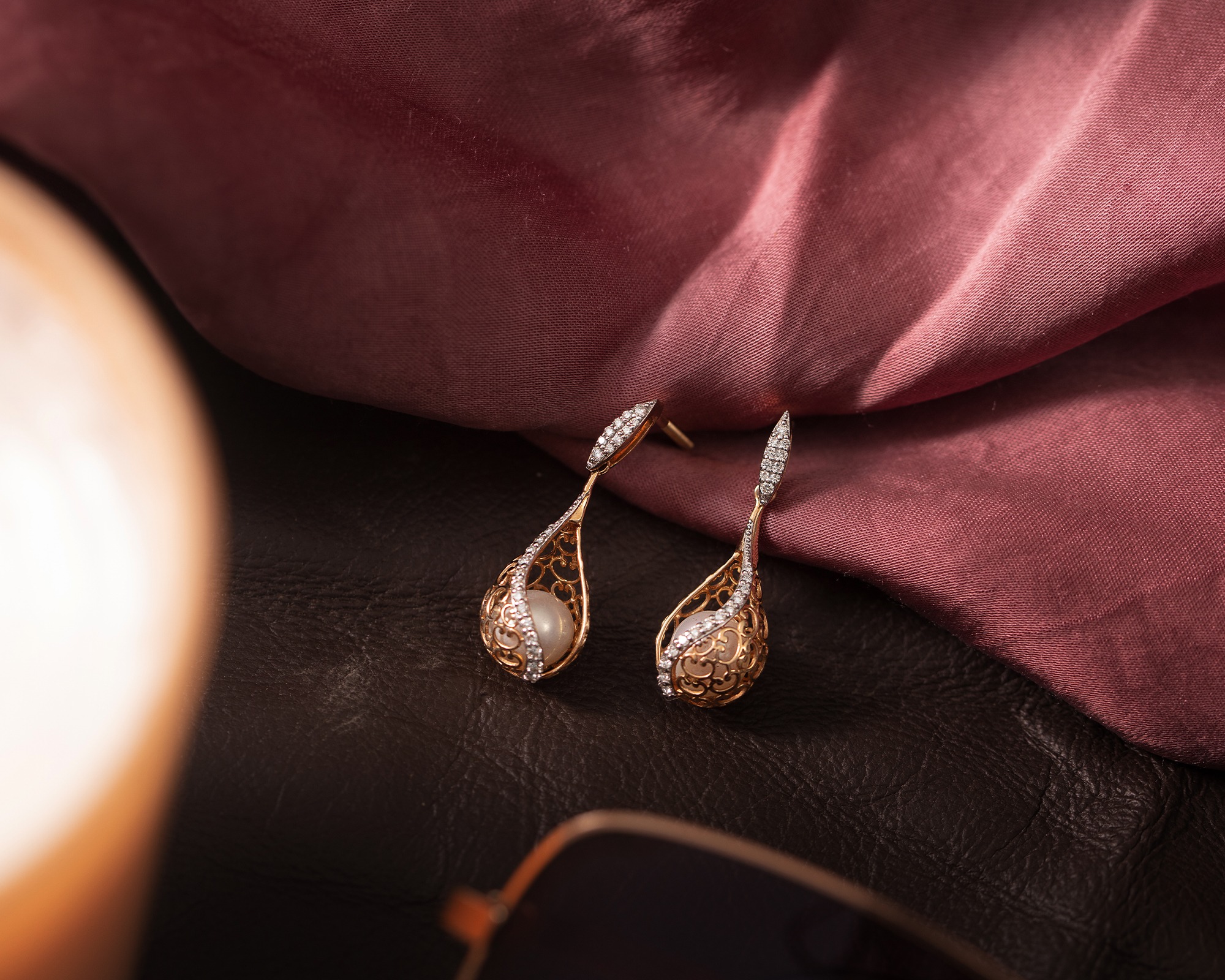
The Master Earring Size Chart mm: From Studs to Statement Drops
When it comes to accuracy, millimetres matter. An earring size chart mm gives you the clearest picture of what you’re buying, especially for studs and hoops.
Below is a simple reference table to help you visualise scale at a glance:
| Size (mm) | Common Name / Category | Best Suited For |
| 2mm–4mm | Mini / Very Small Studs | Second & third piercings, curated ear stacks, ultra‑minimal looks |
| 5mm–8mm | Standard Studs | Daily wear studs, office jewellery, all‑day comfort |
| 10mm–20mm | Small Hoops & Short Drops | Work‑friendly hoops, subtle movement without drama |
| 25mm+ | Statement Earrings | Long drops, bold hoops, occasion and party wear |
Whether you’re checking a stud size chart or scanning a broader earrings size chart, this table helps you compare proportions clearly before you click Buy.
Small, Mini, or Classic? Choosing the Perfect Gold Studs
Gold studs may look deceptively simple, but size changes everything. The key is matching the stud to your ear persona: professional, minimalist, or trendsetter.
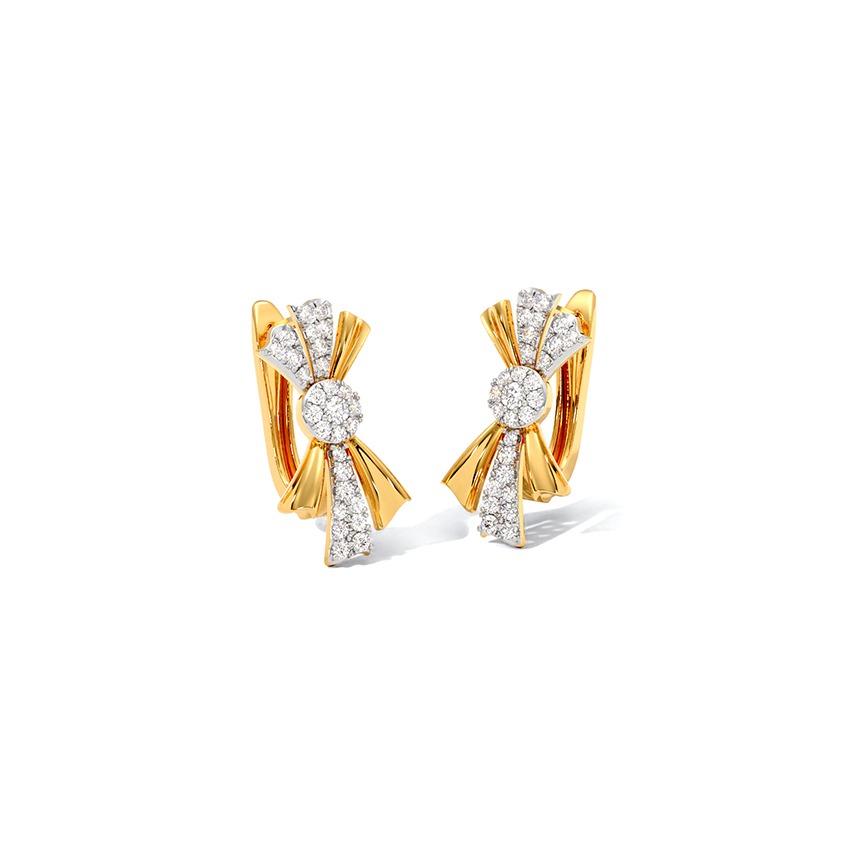
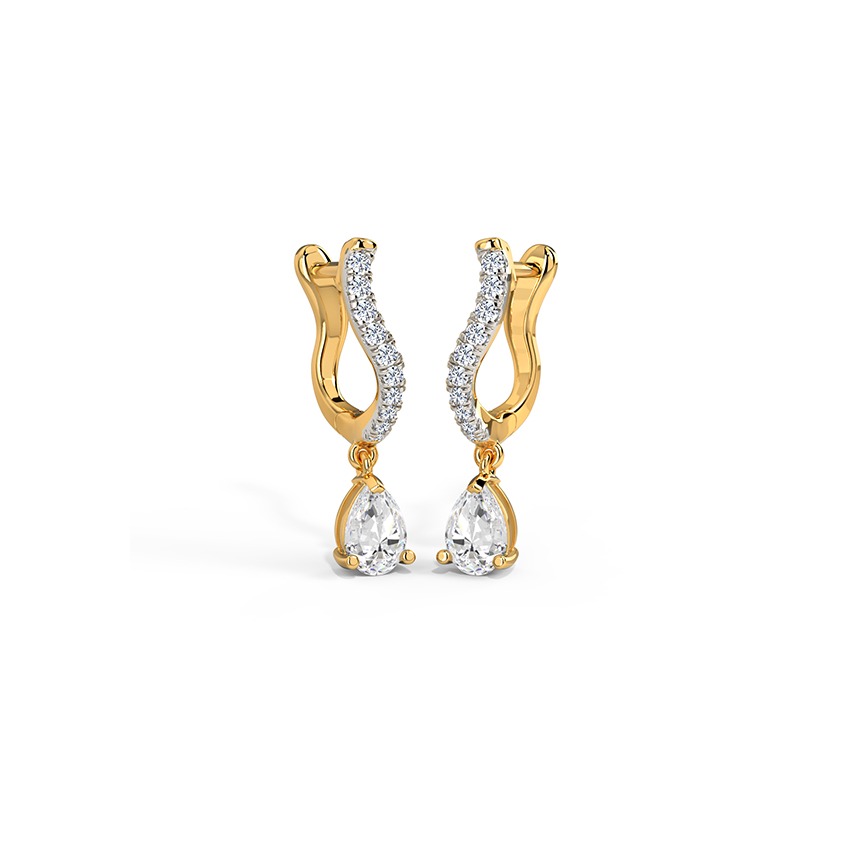
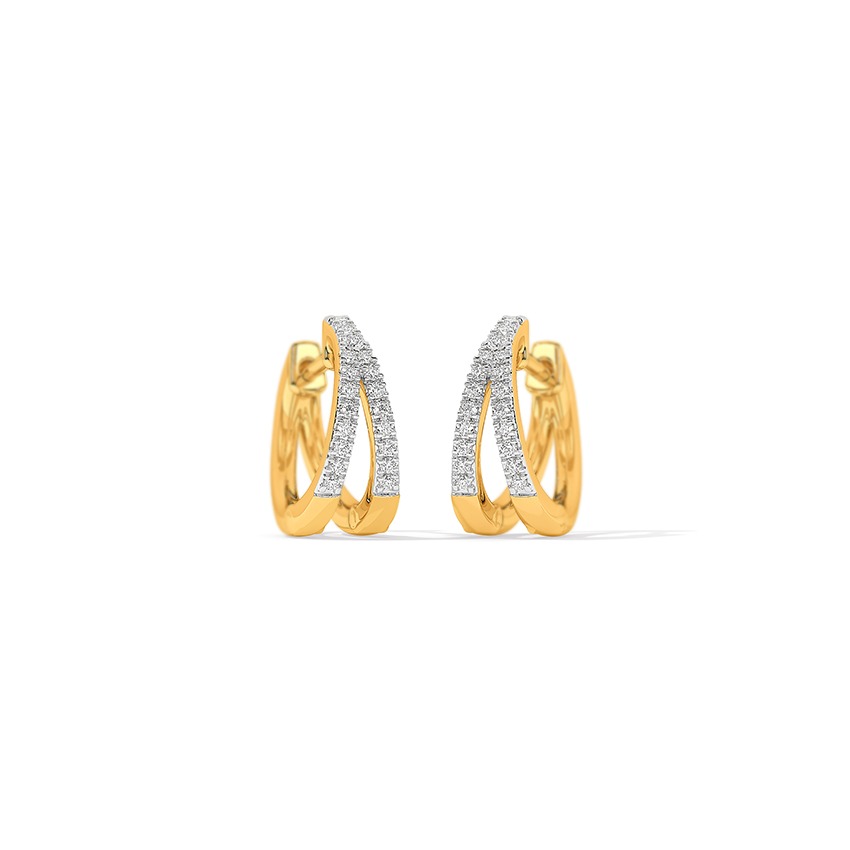
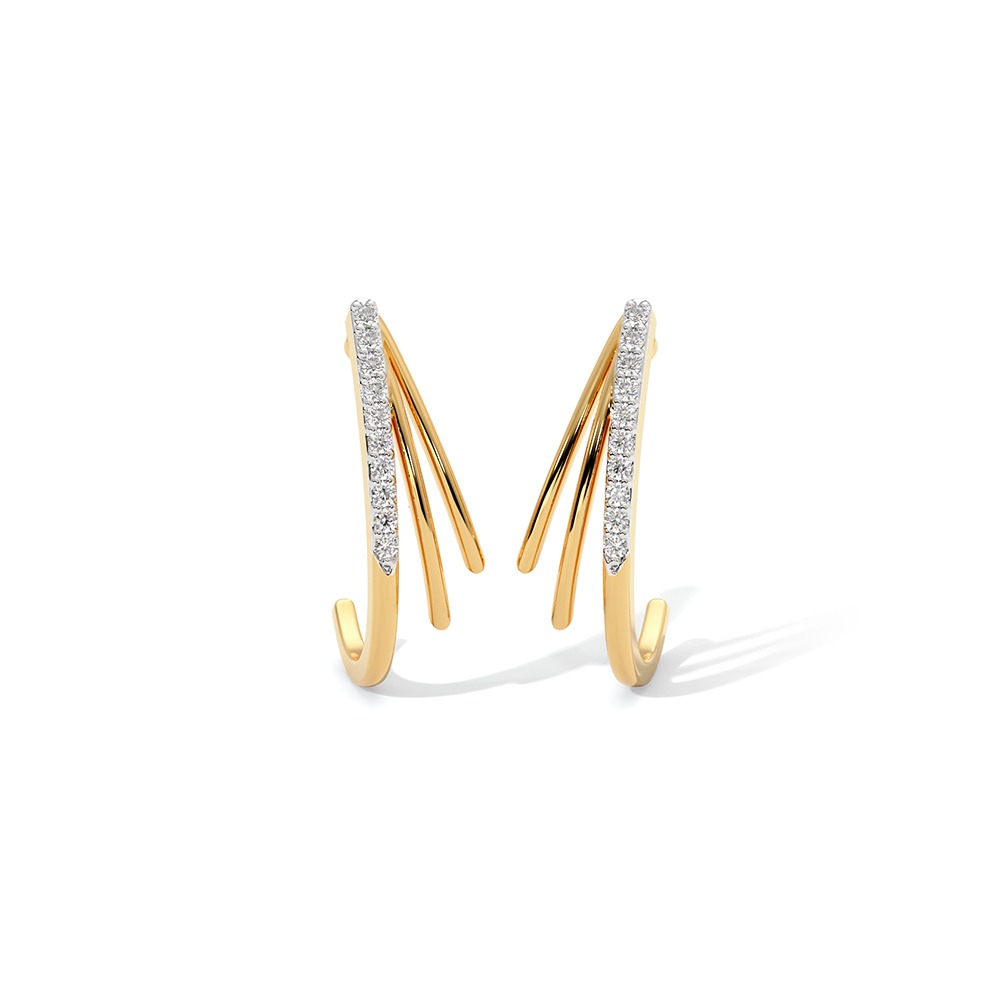
The 2mm Revolution: Very Small Stud Earrings & Mini Studs
The rise of curated ears—multiple piercings styled together—has made 2mm gold stud earrings increasingly popular. These mini stud earrings are ideal for second or third piercings, or for anyone who prefers jewellery that whispers rather than announces itself.
Mini stud earrings work exceptionally well for:
- Office‑first dressing
- Delicate ear stacks
- Mixing shapes or metals without visual clutter
They’re subtle, intentional, and quietly stylish.
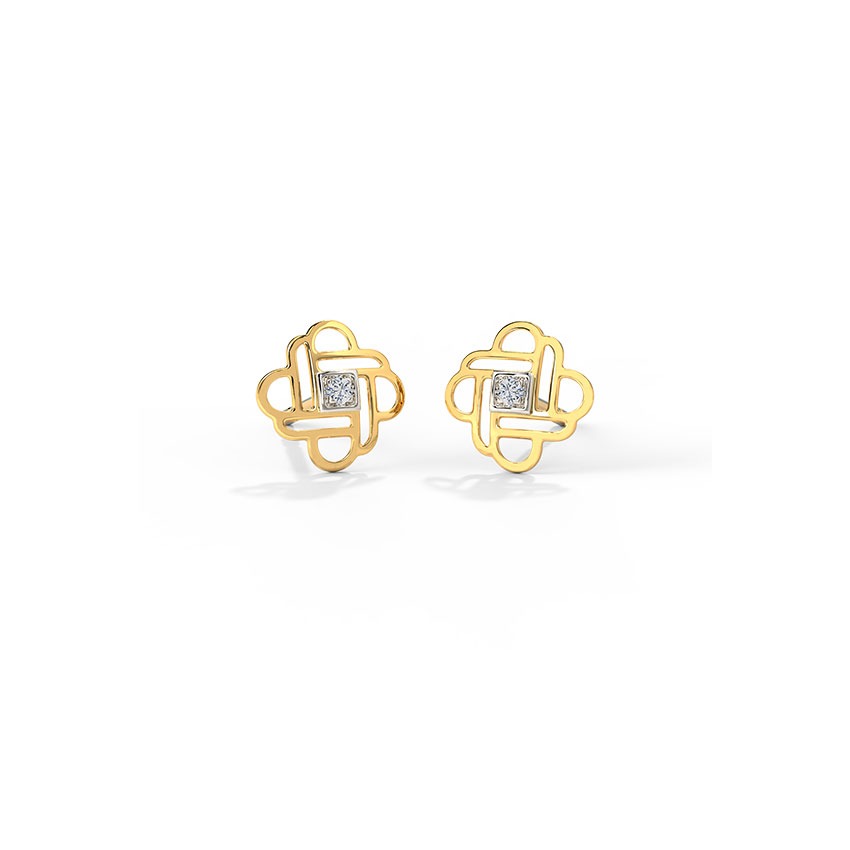
Gold Stud for Boys: Finding the Masculine Fit
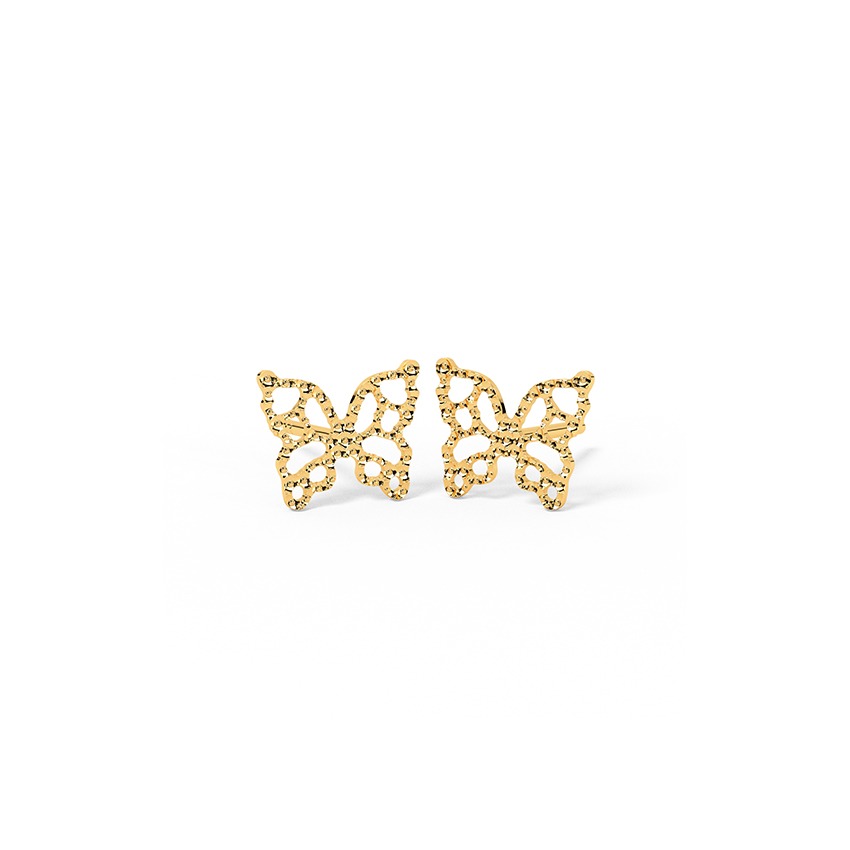
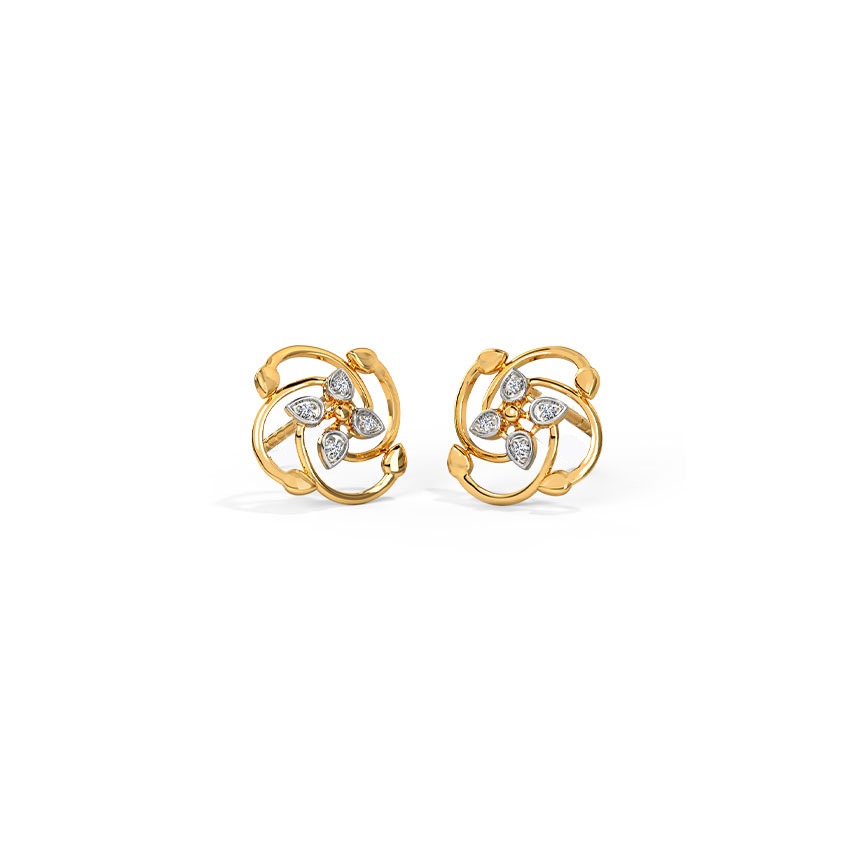
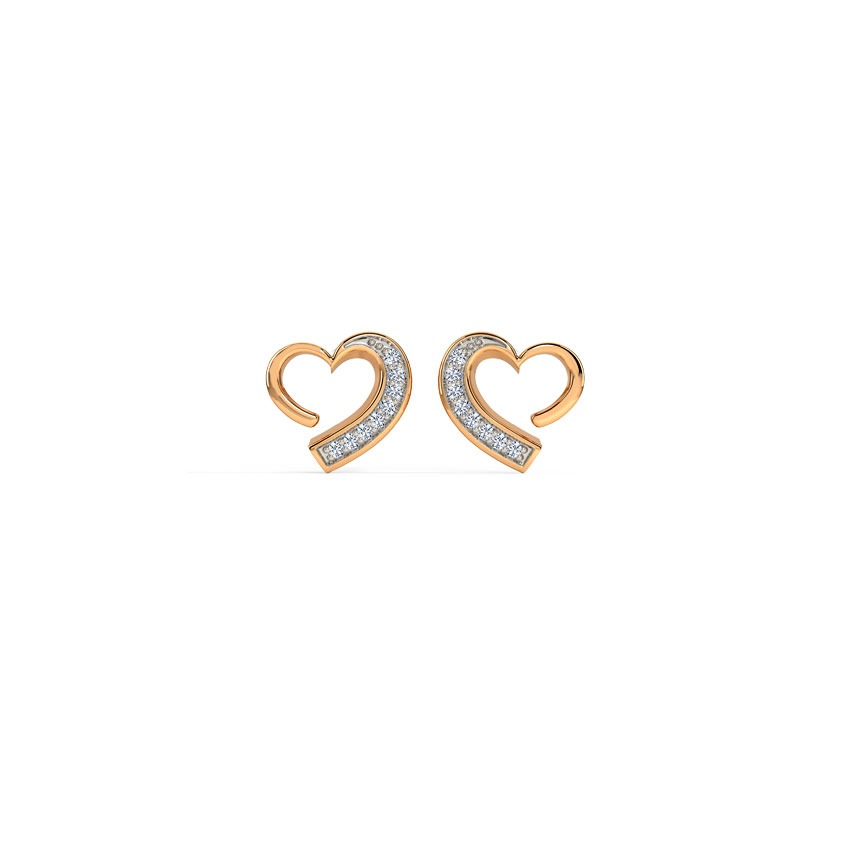
For men and parents shopping for boys, proportions matter more than trends. A gold stud for boys should feel natural, comfortable, and age-appropriate—never overpowering the ear or drawing unnecessary attention.
In most cases, the 3mm–5mm range works best. Studs at this size sit neatly on the earlobe, offering a subtle glint of gold without appearing bulky or ornamental. This makes them suitable for everyday wear, school, sports, and family occasions alike.
A few additional points to keep in mind:
- Shape matters: Plain round or flat-finish studs tend to look more understated than high-domed or textured designs.
- Weight & comfort: Lighter studs reduce the risk of tugging or irritation, especially for younger wearers.
- Long-term wear: Smaller sizes age well—what looks appropriate today will still feel comfortable and relevant a few years down the line.
Overall, this size range delivers a modern, confident look that feels intentional rather than flashy, making it a safe and versatile choice.
The “Daily Wear” Sweet Spot: Why 5mm-8mm is the Gold Standard
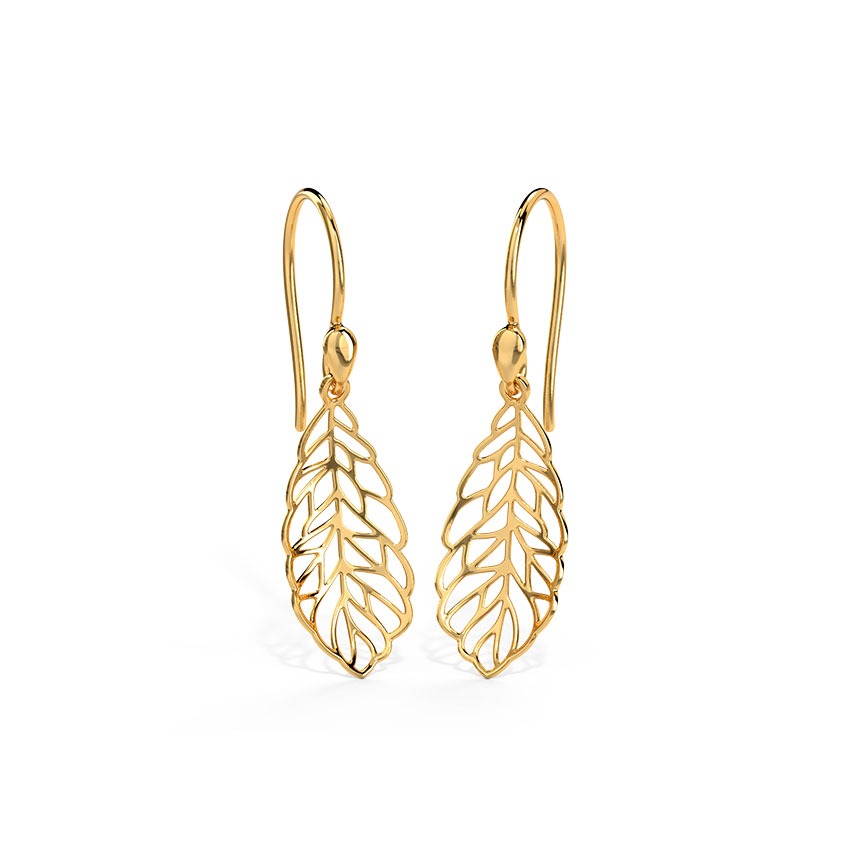
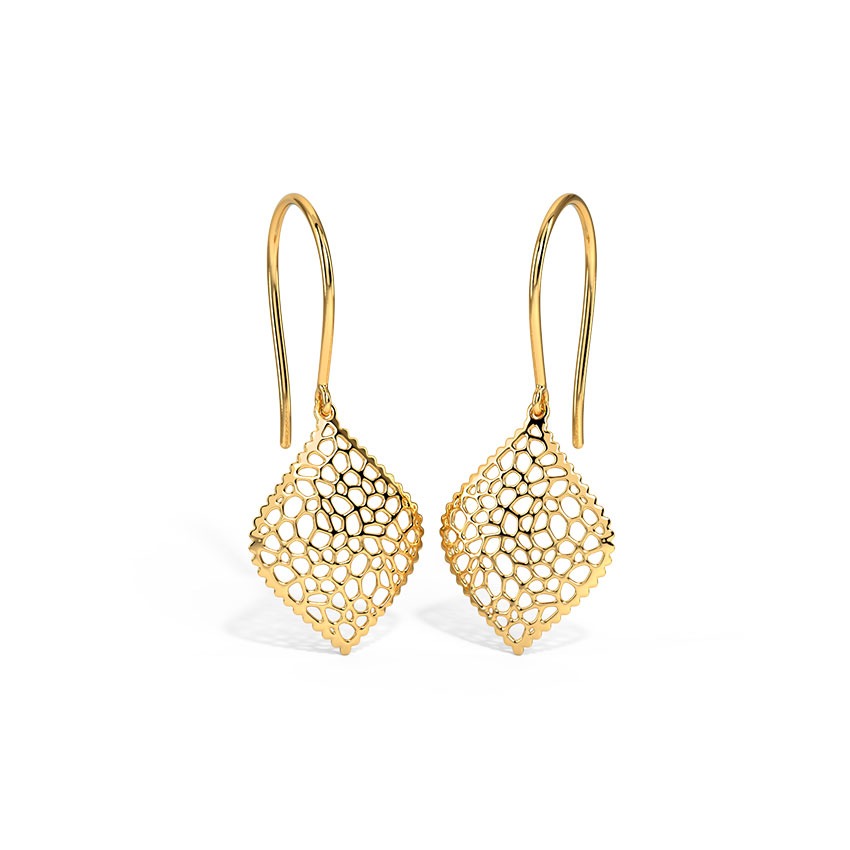
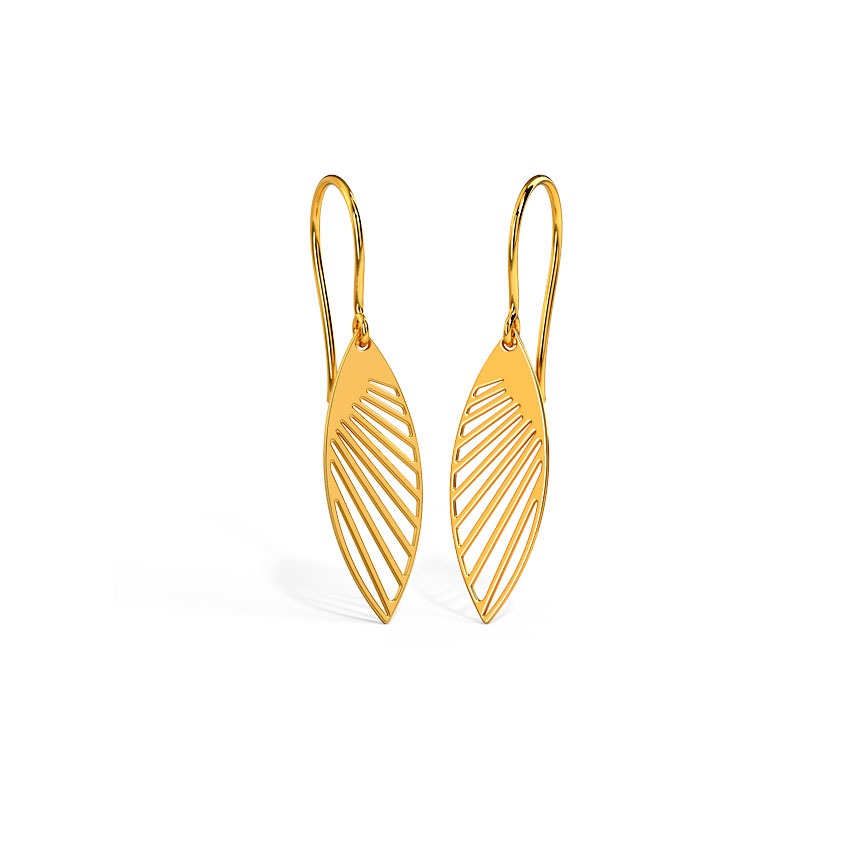
If there’s one earrings size range that solves most everyday dilemmas, it’s 5mm–8mm.
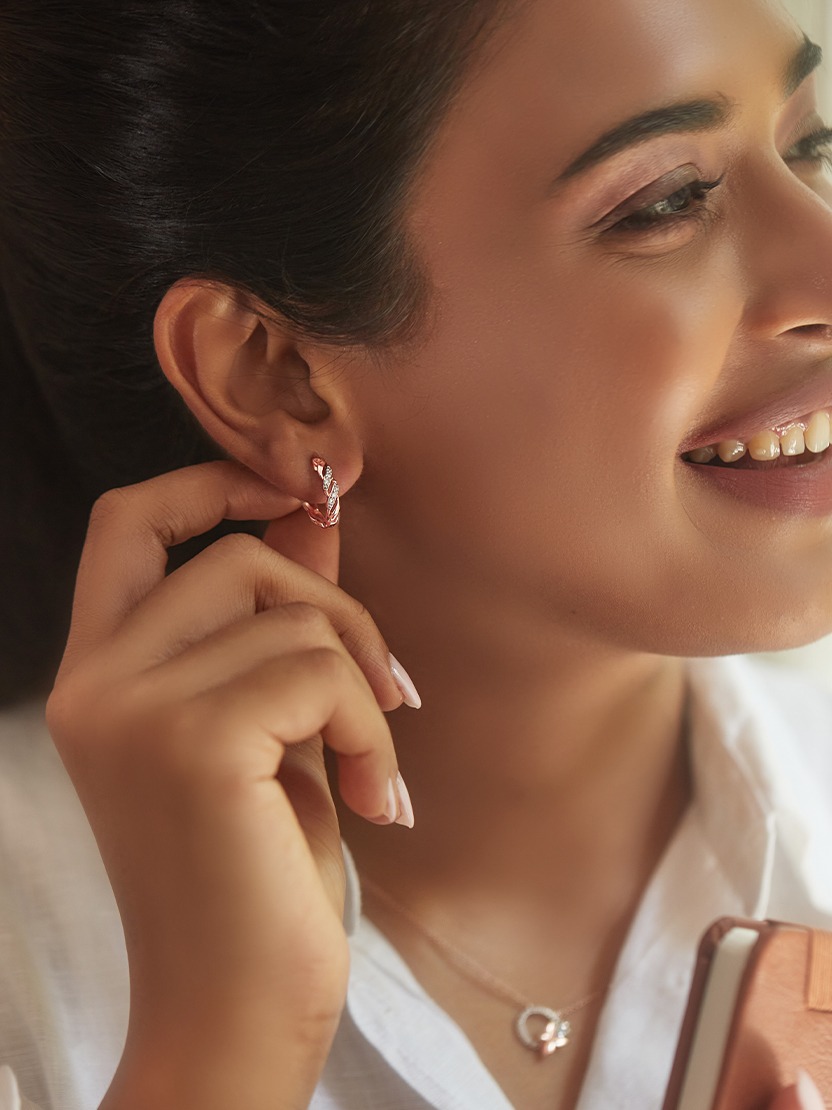
This is the sweet spot for daily-wear earrings for women: large enough to show the warmth of gold or the sparkle of stones, yet light enough for long hours. These sizes don’t snag on hair, interfere with headsets, or feel tiring by evening.
For many wearers, this range becomes the default choice in any earring size guide, striking the balance between presence and comfort.
Understanding Earring Length: When to Go Long
Studs and hoops are measured by diameter, but drops and danglers introduce another dimension: earring length.
Length of earrings is measured from the top of the hook or post to the lowest point of the design. This determines whether the earring sits at the jawline, falls at the neck, or moves closer to the shoulder.
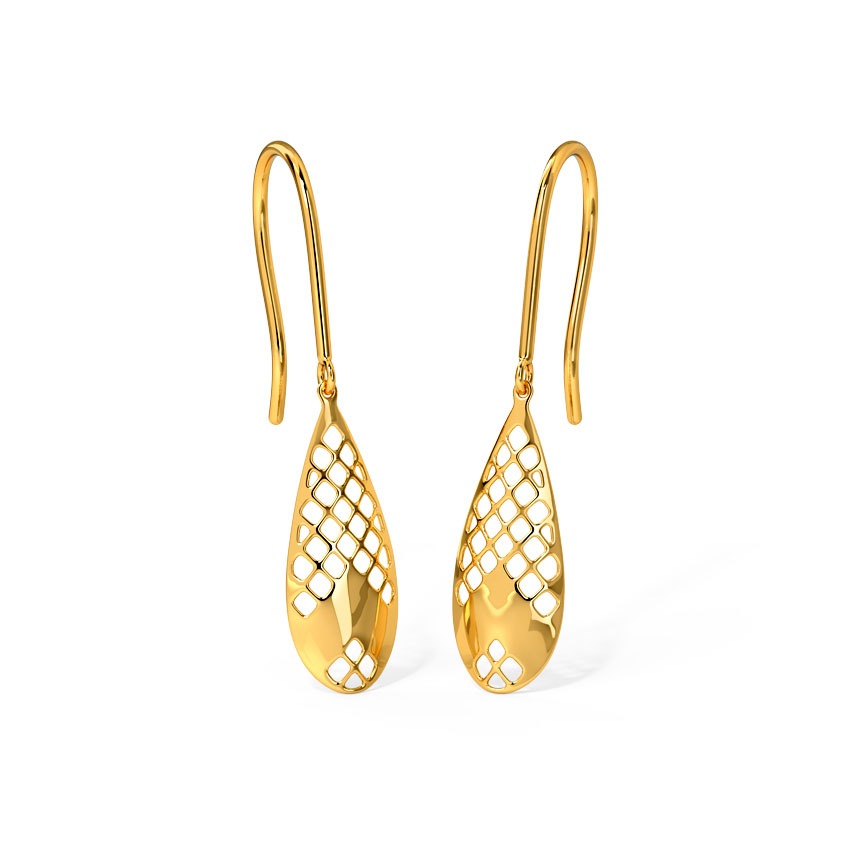
Long drop earrings (typically 25mm–50mm) elongate the neck and add movement—making them a favourite for occasion wear. Long pearl drop earrings bring softness and elegance, especially when styled with evening outfits.
Understanding length helps you choose drama deliberately, not accidentally.
The Professional’s Diamond Stud Earrings Size Chart
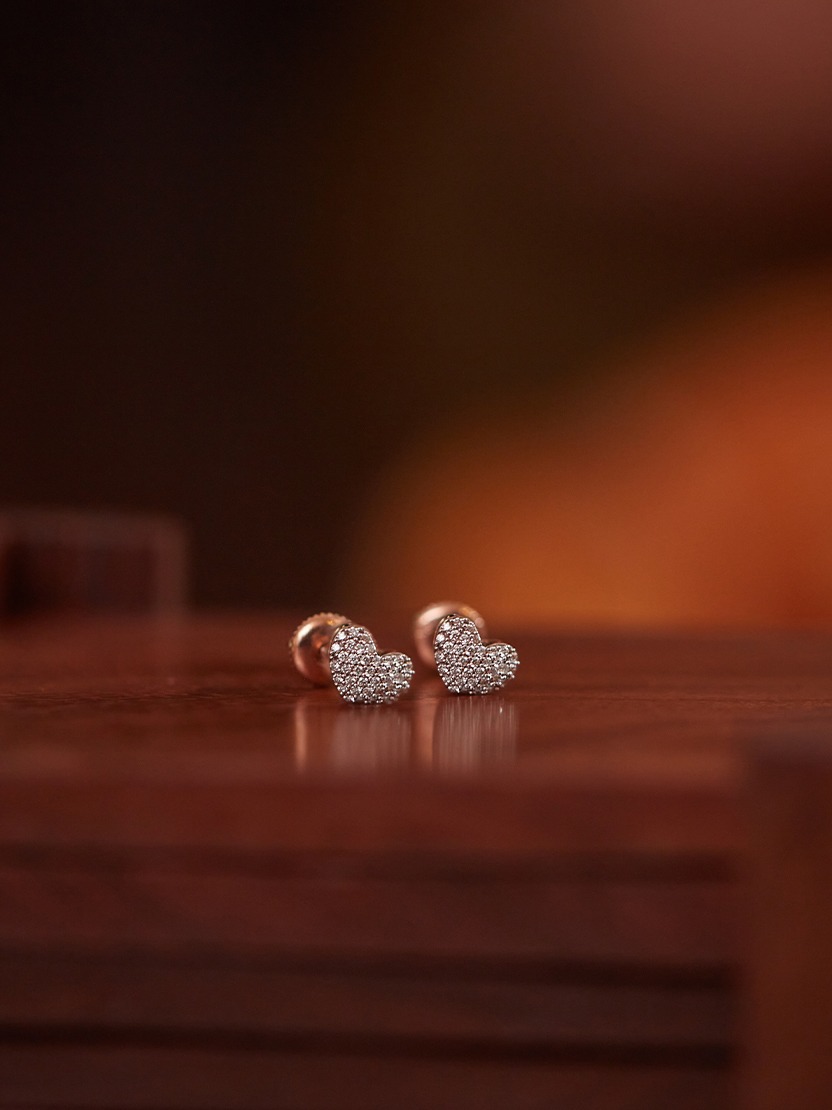
One of the most common points of confusion when buying diamond studs is the difference between carat weight and visible size (millimetres). Carat refers to weight, not surface area, so two diamonds of the same carat weight can appear slightly different in size depending on cut and proportions.
This is where a diamond stud earrings size chart becomes essential. It helps set realistic expectations and avoids the typical reaction of “it looks smaller than I imagined.”
A few key principles to understand first:
- Carat is weight, not width: A well-cut diamond often looks larger than a poorly cut one of the same carat weight.
- Studs are usually sold by total carat weight (TCW): a 1-carat stud earring set typically means 0.50 ct per earring.
- Millimetre size is what the eye sees: This is why mm measurements matter more than carat alone for everyday wear decisions.
| Diamond Weight (per ear) | Approx. Diameter (mm) | Visual Impression | Best For |
| 0.10 ct | ~3.0mm | Very subtle sparkle | Second piercings, minimal daily wear |
| 0.25 ct | ~4.0mm | Noticeable but understated | Office wear, first diamond studs |
| 0.50 ct | ~5.0mm | Classic and balanced | Daily wear, versatile investment |
| 0.75 ct | ~6.0mm | Prominent presence | Occasion wear, confident styling |
| 1.00 ct | ~6.5mm | Statement look | Evenings, milestone purchases |
In diamond stud earrings, 1 carat usually means 0.50 ct per ear, which translates to roughly 5mm each. Using a stud earrings size chart alongside carat information ensures you choose studs that match both your expectations and your lifestyle.
Hoop Earrings Size Chart: From Huggies to Statement Circles
Hoops are defined by diameter, and even small changes can dramatically affect how they look and feel in the ear. Understanding the size of hoop earrings helps you choose pairs that suit your face shape, comfort level, and daily routine.
Below is a practical hoop earrings size chart to guide your choice:
| Hoop Diameter | Common Style Name | Visual Effect | Best Suited For |
| 8mm–10mm | Huggies | Very close to the ear | Minimalists, second piercings, everyday wear |
| 12mm–20mm | Small / Classic Hoops | Neat, balanced look | Office wear, daily styling, all face shapes |
| 25mm–30mm | Medium Hoops | Noticeable without being bold | Casual outings, versatile wardrobes |
| 40mm–50mm | Large Hoops | Strong statement | Parties, festive wear, confident styling |
| 60mm+ | Extra‑Large Hoops | Bold and dramatic | Editorial looks, special occasions |
A clear hoop earrings size chart like this makes it easier to visualise scale and choose hoops that complement your outfit, hairstyle, and face shape—before you ever try them on.
The “Bindi” Hack: A DIY Earring Size Comparison at Home
No ruler? No problem. You can do a quick earring size comparison using everyday items:
- Standard bindi: ~5–7mm (ideal for visualising daily studs)
- Pencil eraser: ~6mm
- ₹1 coin: ~25mm (useful reference for statement hoops or drops)
This simple trick turns abstract numbers into something you can see instantly.
Shop with Confidence at CaratLane
Once you understand the earring size chart, shopping becomes easier and far more enjoyable. Whether you’re choosing mini stud earrings for a layered look or long drop earrings for an evening glam, knowing your measurements puts you in control.
With CaratLane’s Try-at-Home services, you can also experience scale in real life before committing, turning uncertainty into confidence.
FAQs
- What is the best size for daily-wear gold studs?
For most people, mid-range studs (around 5–7mm) feel comfortable for all-day wear and look proportionate for a first piercing. If you prefer jewellery that stays almost unnoticed—especially in office settings—smaller minis around 2–3mm are a good alternative.
- How many mm is a 1-carat diamond stud earring?
A round diamond weighing 1 carat measures roughly 6.5mm across. In stud earrings, however, the term usually refers to the pair. This means each ear typically carries a 0.50 carat stone, which appears closer to 5mm in diameter.
- What size hoop earrings are best for my face shape?
Hoop proportions can balance facial features. Compact hoops (10–20mm) complement longer faces, while medium diameters (30–40mm) tend to flatter most face shapes. Larger hoops or elongated drops can soften angular or square features by adding vertical flow.
- What is the standard earring size for a second or third piercing?
Additional piercings usually look best with smaller studs in the 2–3mm range, keeping the look light and layered. The main piercing can comfortably carry slightly larger studs—around 6–8mm—to anchor the ear stack visually.
- How can I measure my earring size at home without a ruler?
Yes. Everyday objects work surprisingly well as reference points. A pencil eraser is close to 6mm, a small bindi mirrors many daily-wear stud sizes, and a ₹1 coin gives a good sense of larger statement proportions.
Suggested Reading:
Gold Earrings: Which Earrings Will Best Suit Your Face Shape?
Small Gold Earrings Designs For Daily Use