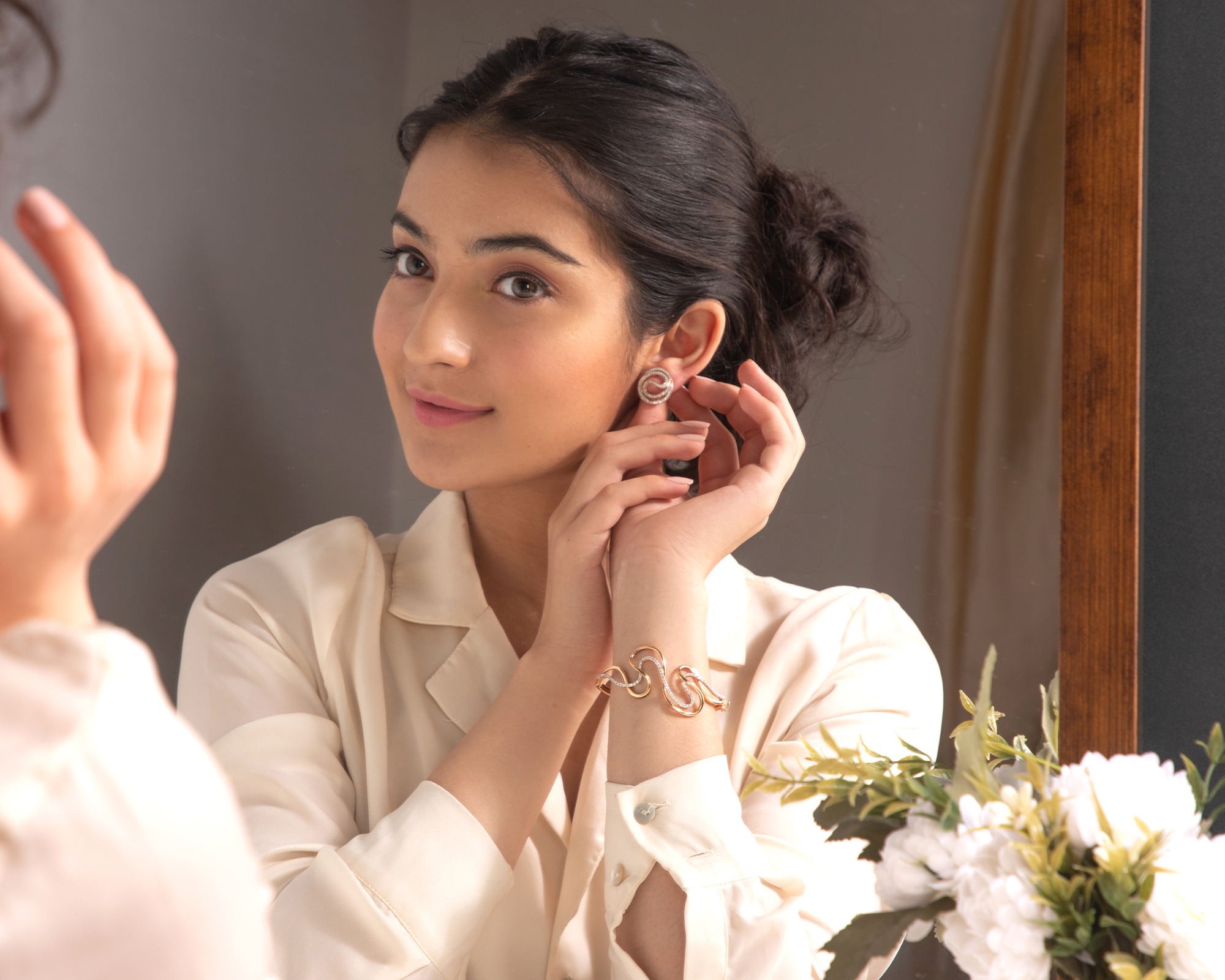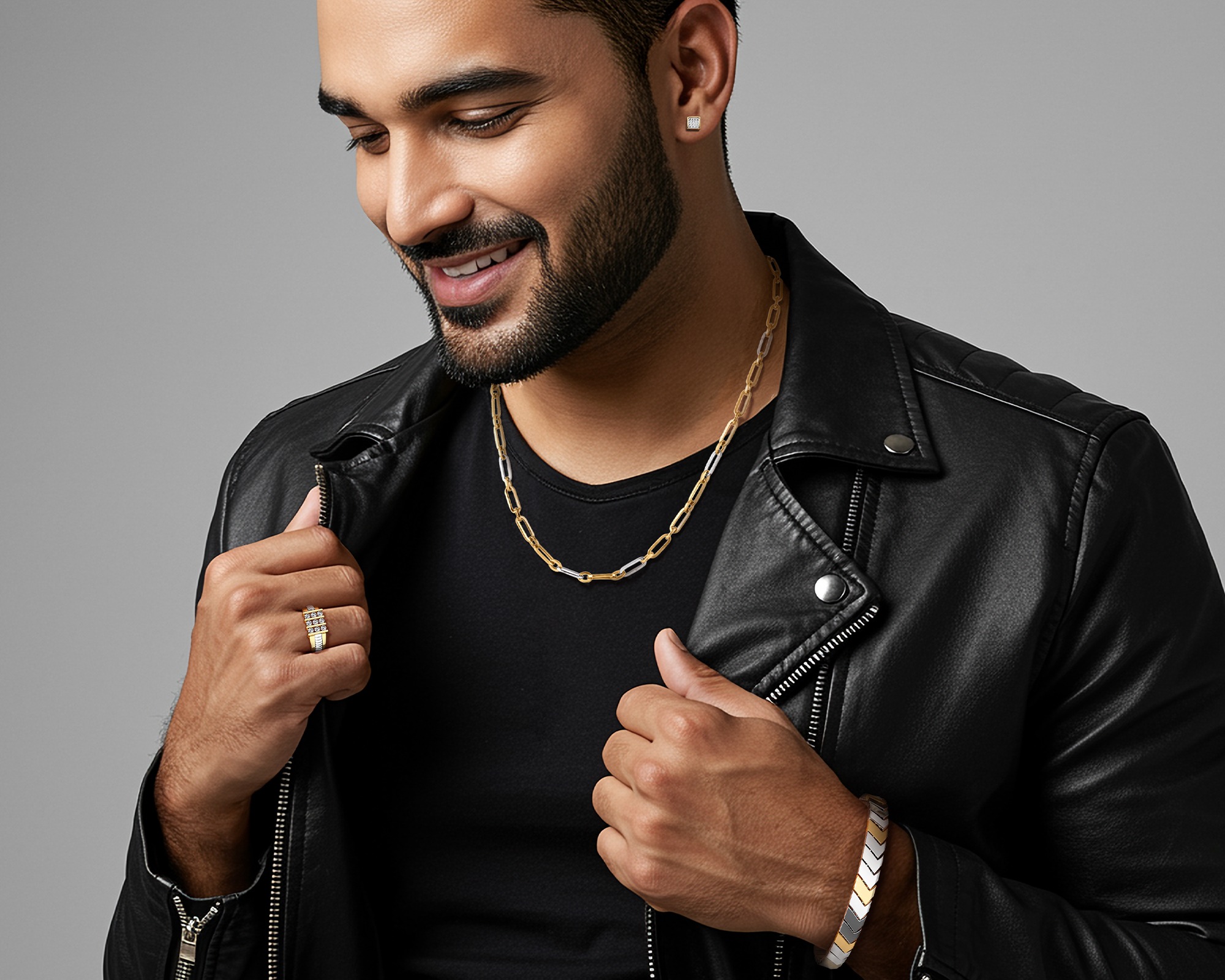

Have you ever invested in a necklace that looked radiant on day one, only to appear dull or uneven not long after? For many buyers, that disappointment isn’t about poor care, it’s about not being told what they were really buying.
Today’s jewellery space is packed with labels that sound reassuring but mean very different things in practice. Terms like fine, demi, and semi are often used interchangeably, even though the materials, lifespans, and values of these terms vary significantly.
This guide breaks down the different types of jewellery in clear, practical terms. Once you understand how each category is made, and what it’s designed for, you can choose pieces that truly match your lifestyle, skin sensitivity, and long-term expectations.
Whether you’re browsing everyday gold or exploring diamond designs, clarity makes all the difference. Explore the full spectrum of styles at CaratLane to see how modern craftsmanship meets informed choice.
The Core Definitions: Decoding the Lingo
What is Fine Jewellery?
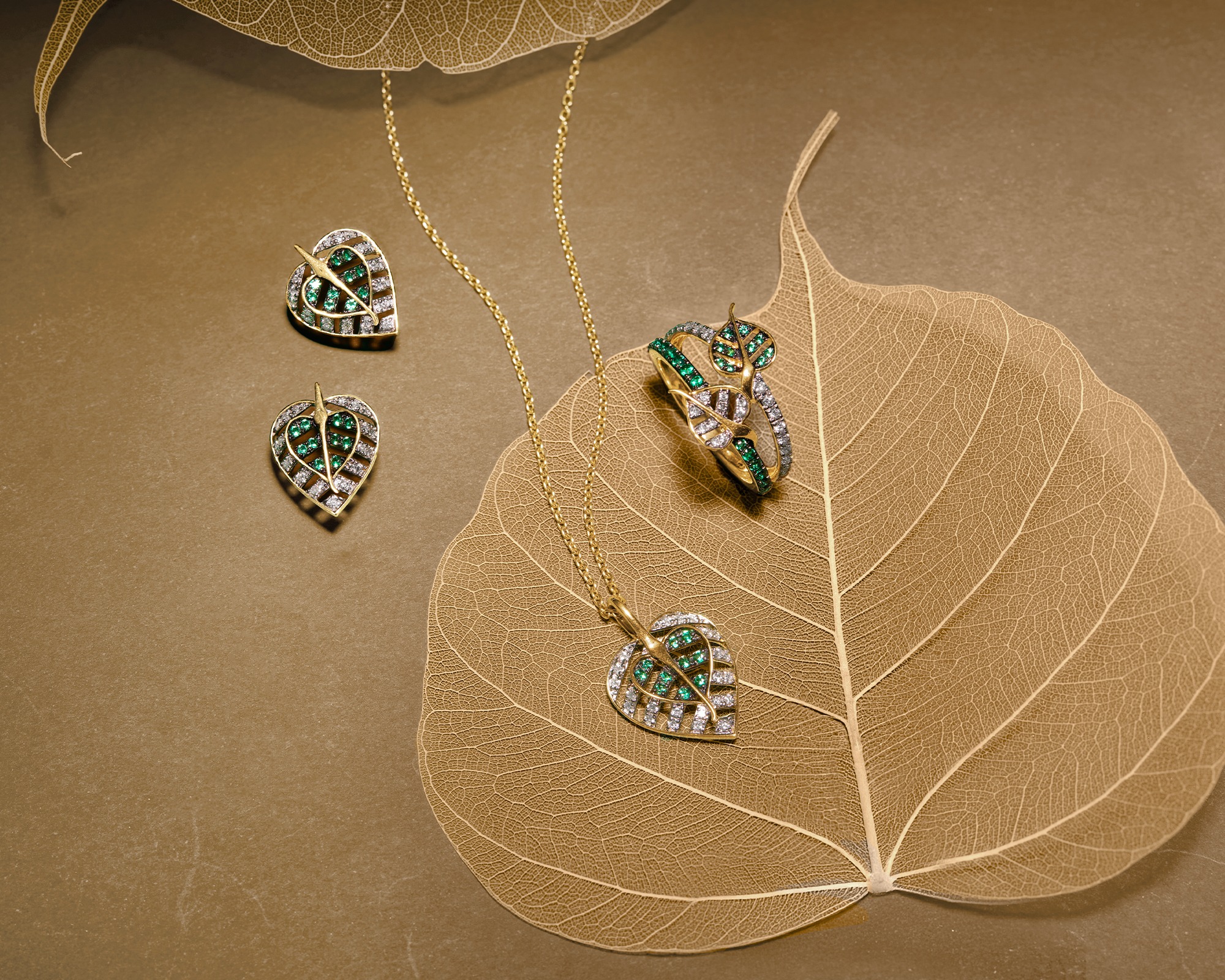
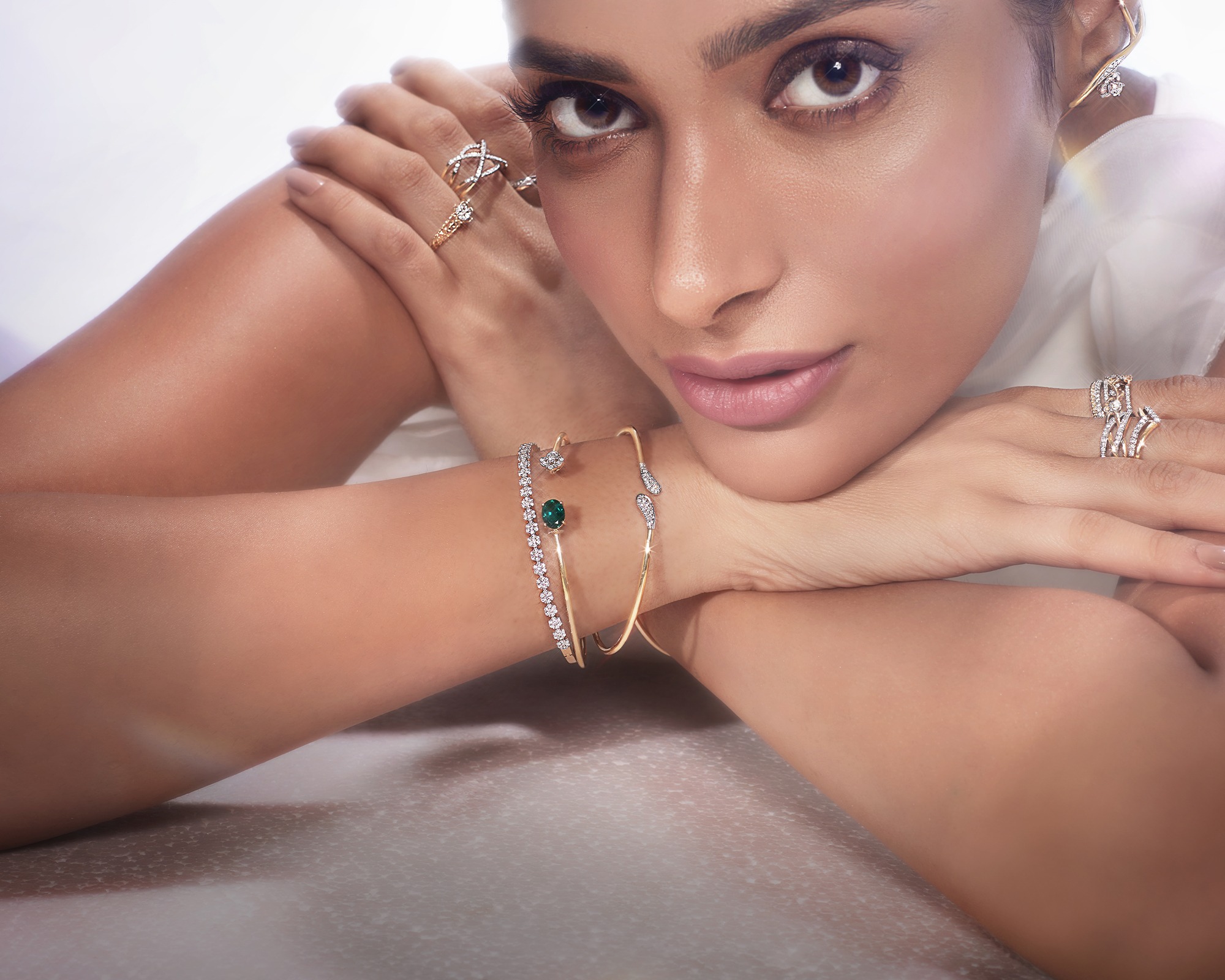
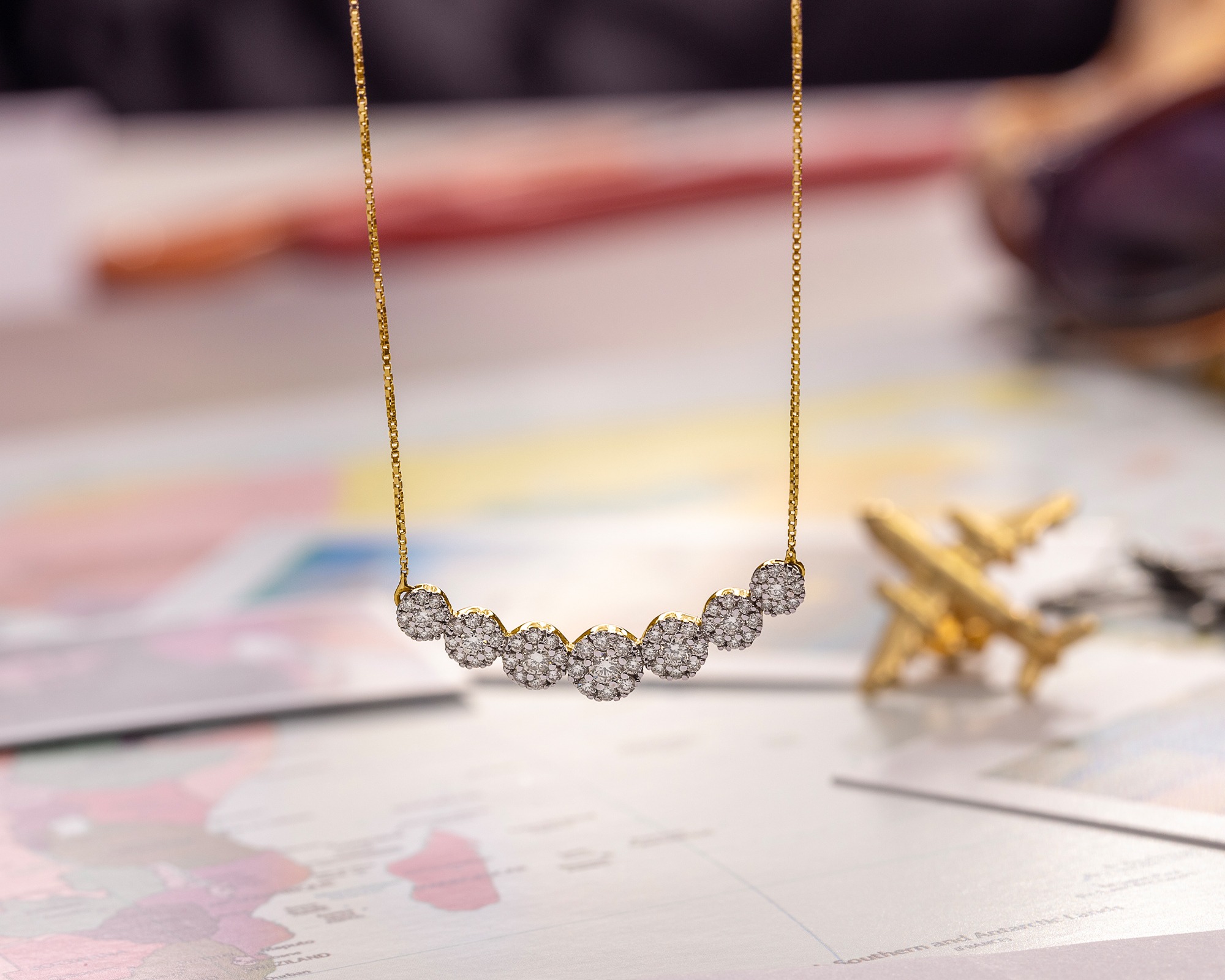
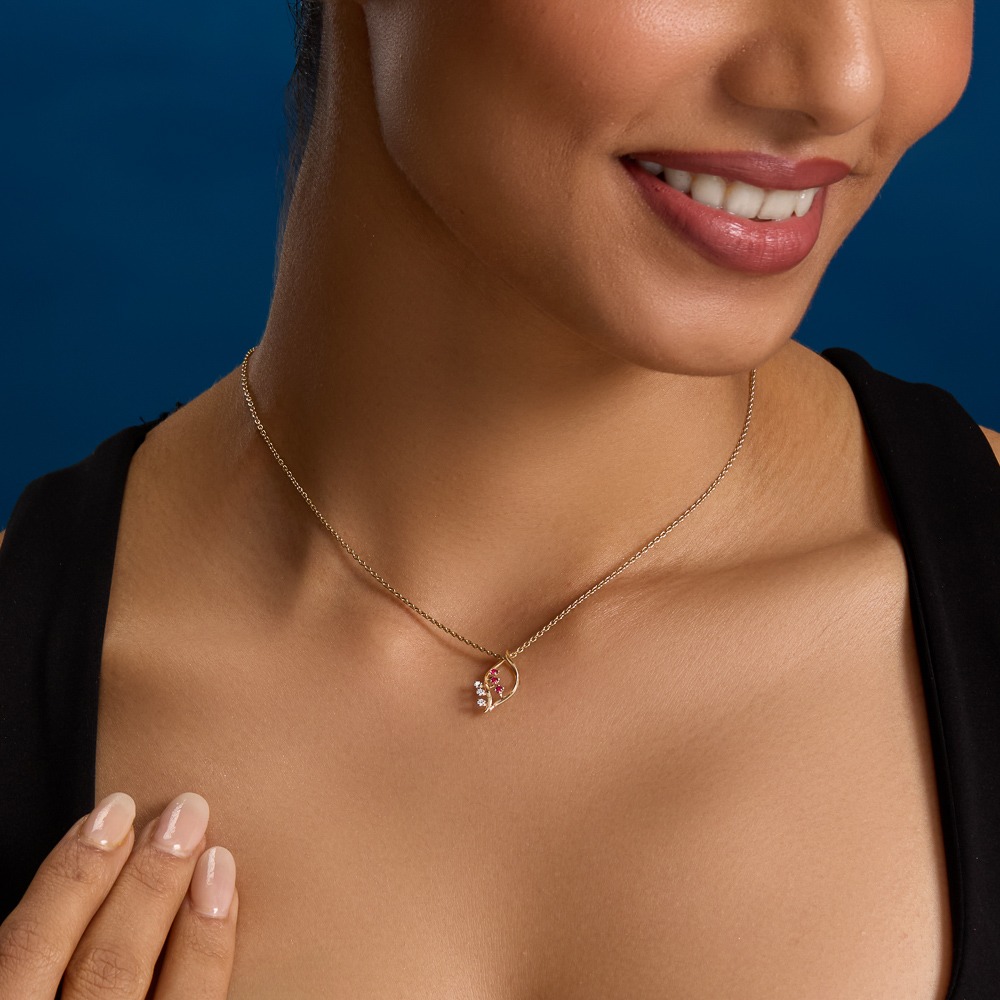
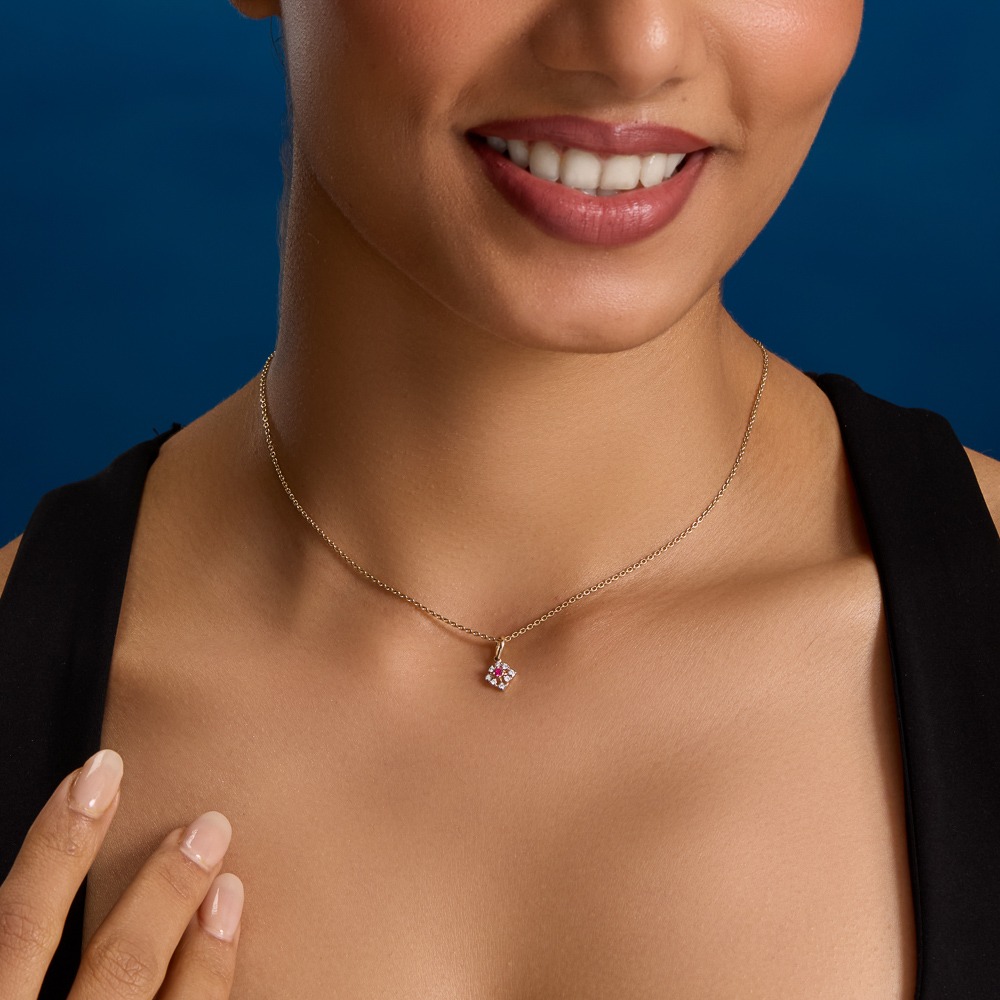
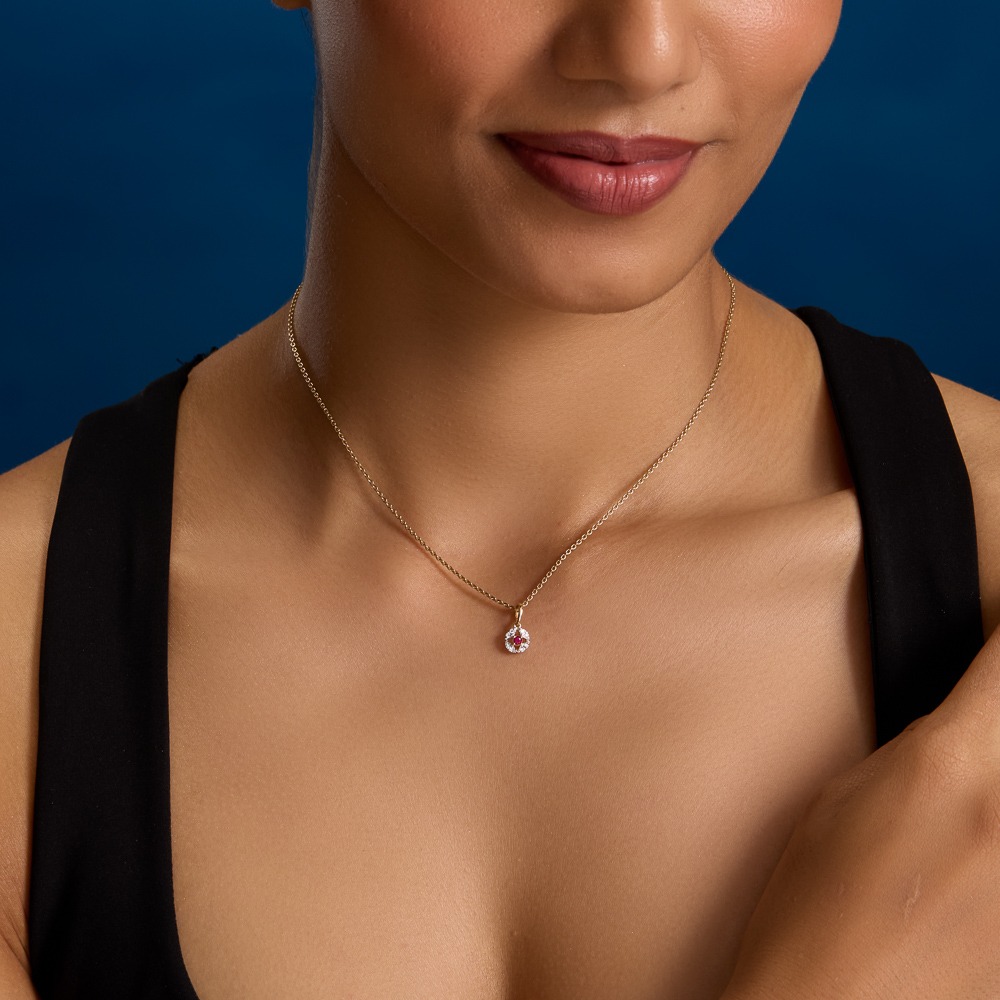
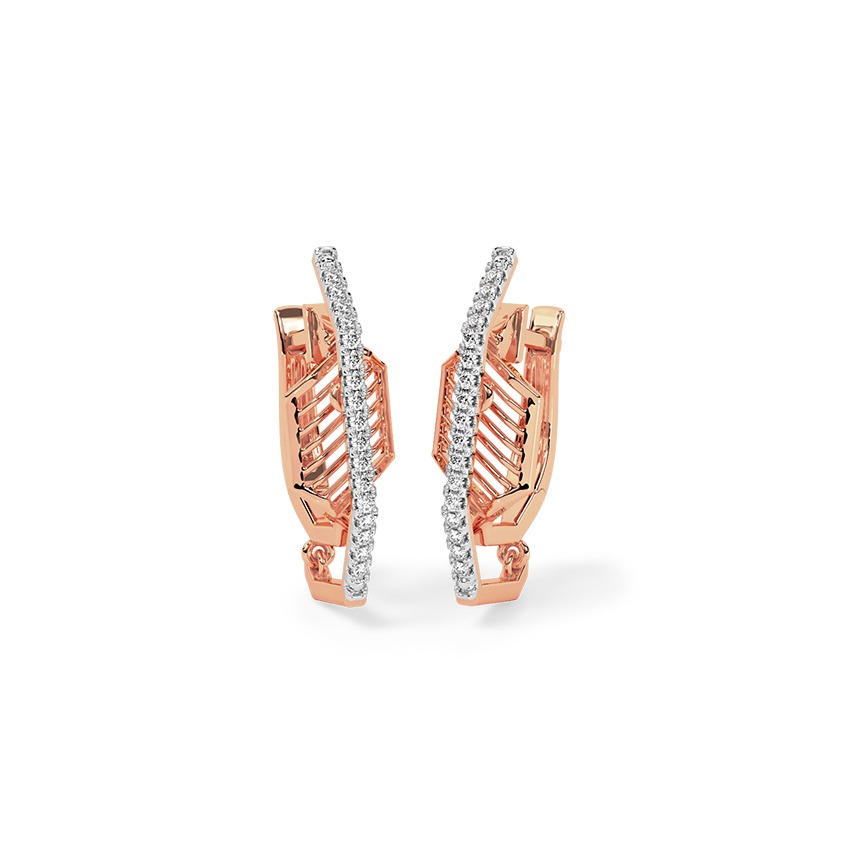
Exquisite fine jewellery is crafted from precious metals throughout, not just on the surface. This includes solid gold in 14kt, 18kt, and 22kt, as well as platinum, paired with genuine gemstones such as diamonds and sapphires.
What sets this category apart is permanence. These pieces are created to be worn for decades, restored when needed, and passed on without losing their intrinsic worth.
Beyond aesthetics, they represent material integrity—there’s no hidden base metal beneath the shine. For anyone seeking enduring elegance rather than short-term appeal, this category defines the benchmark.
What is Demi-Fine jewellery?
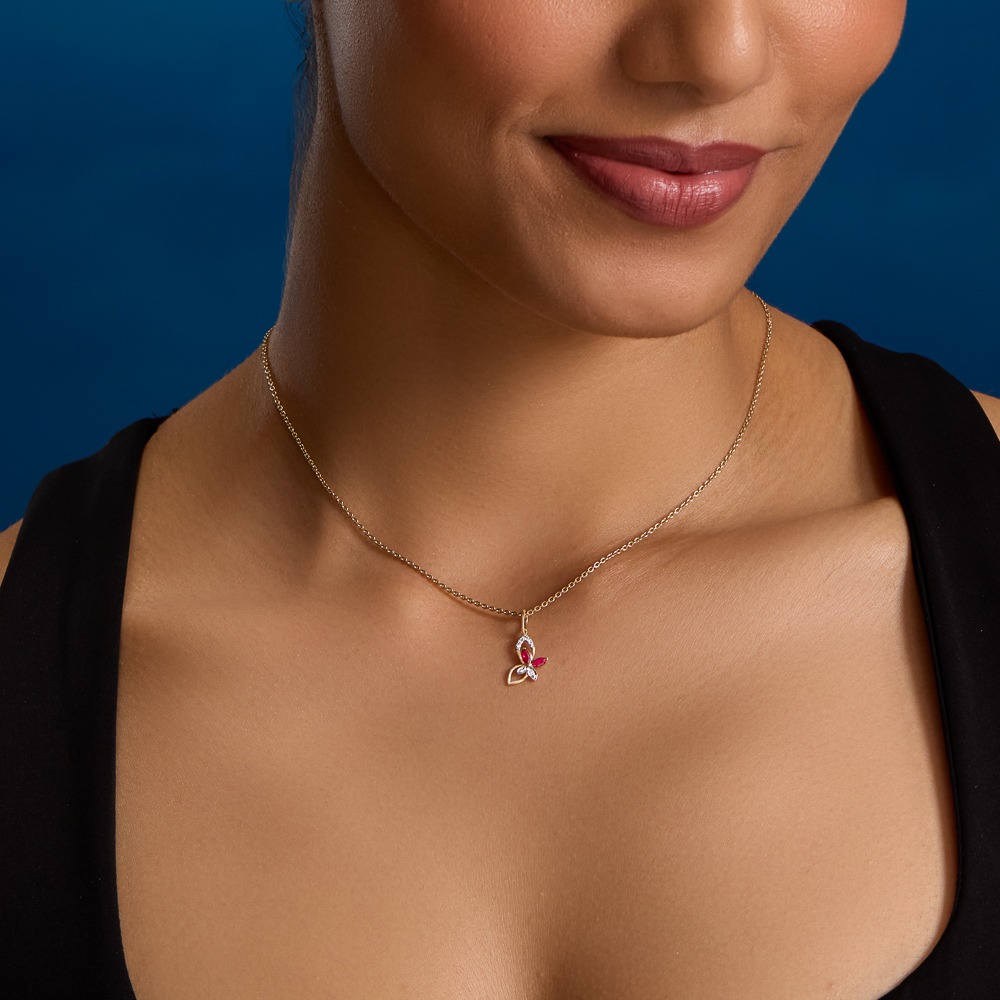
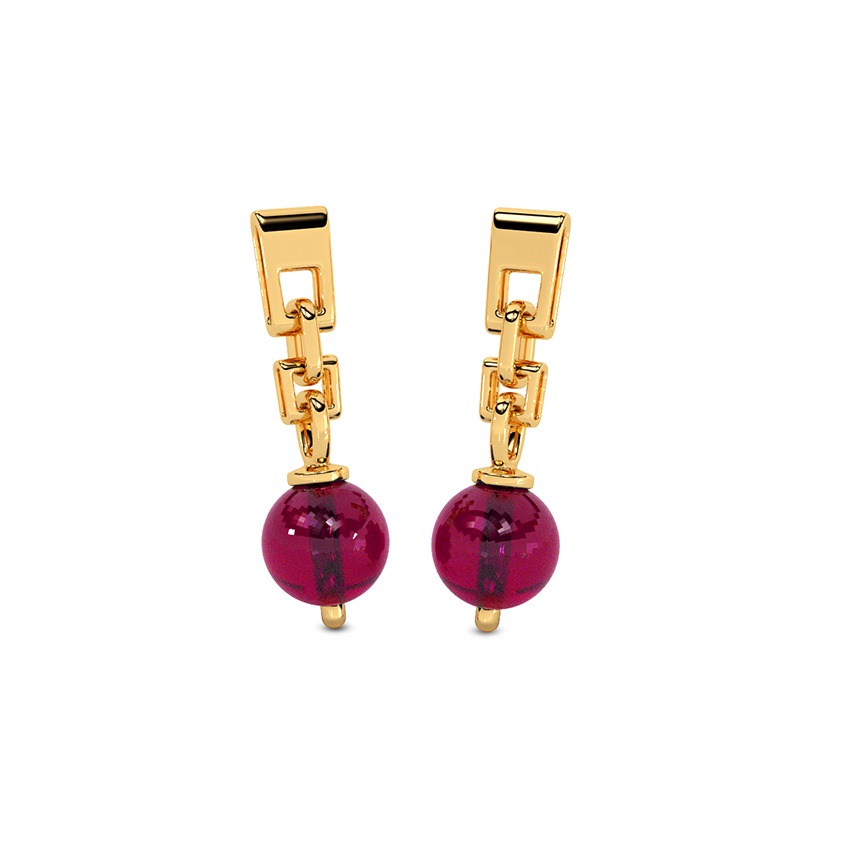
Demi-fine jewellery sits between disposable accessories and long-term keepsakes. It typically uses a sterling silver foundation, finished with a relatively thick layer of gold. The result is jewellery that looks refined and elevated without the commitment of solid gold pricing.
This category appeals to buyers who enjoy experimenting with style but still want better quality than mass-produced costume pieces. While the surface gold delivers a premium appearance, the underlying structure means it’s best treated as occasional wear rather than a lifelong companion.
What is Semi-Fine jewellery?
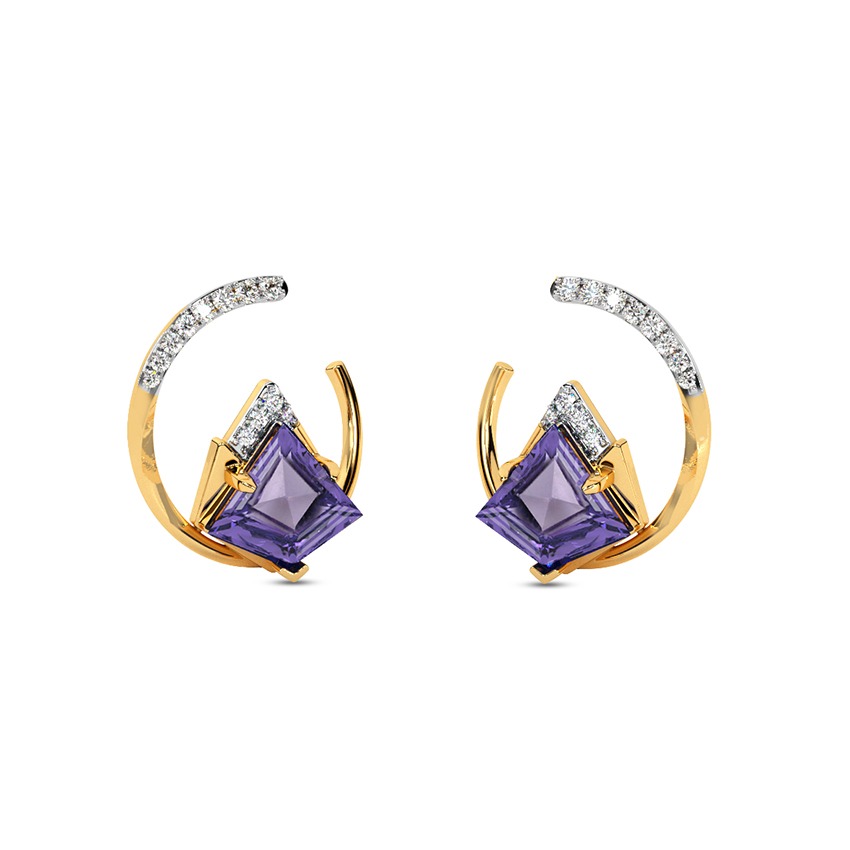
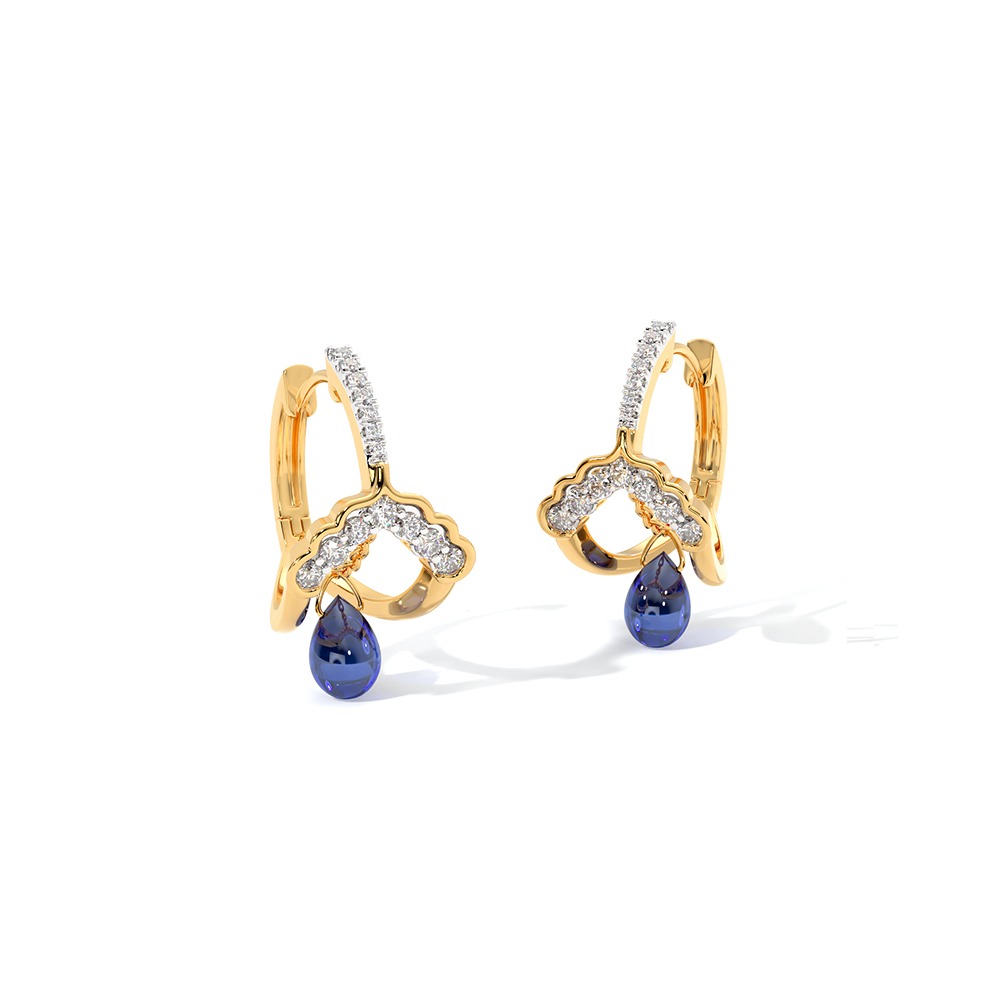
Semi-fine jewellery is less rigidly defined and often overlaps with demi-fine. It commonly includes jewellery made using gold-filled techniques or heavier plating over silver or brass, accented with semi-precious stones like quartz or topaz.
Because this category lacks strict standards, durability and finish can vary widely. Some pieces wear well with careful handling, while others show signs of age more quickly. Understanding the base material becomes especially important here, as it directly impacts comfort, longevity, and upkeep.
Detailed Comparison: Fine vs. Demi-Fine vs. Semi-Fine
| Feature | Fine Jewellery | Demi-Fine Jewellery | Semi-Fine Jewellery |
| Base Metal | Solid gold (14k/18k/9k) or platinum | Sterling silver | Silver or brass |
| Gold Presence | Solid gold throughout | Thick gold coating (vermeil) | Gold-filled or heavy plating |
| Stone Type | Natural diamonds and precious gemstones | CZ, crystals, lab-created stones | Semi-precious stones or simulants |
| Durability | Very high – designed for daily wear | Moderate – best for occasional wear | Varies widely by make |
| Longevity | Decades, can be polished and repaired | Wears over time, may need re-plating | Limited lifespan |
| Price Range | Higher upfront, long-term value | Mid-range | Entry-level |
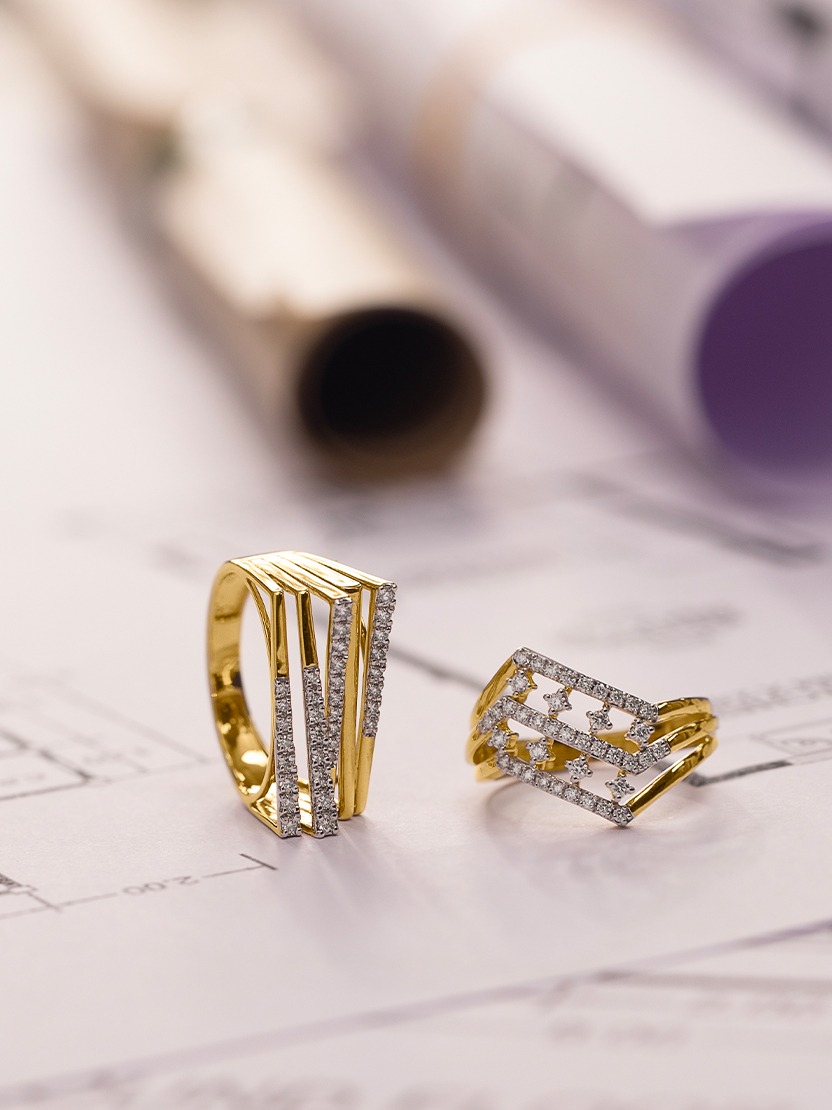
When viewed side by side, the distinctions become clearer. Fine jewellery uses precious metals throughout, while demi-fine jewellery relies on a silver core with a gold exterior, and semi-fine often involves plated or filled constructions. Stone quality follows a similar hierarchy, moving from certified diamonds and precious gems to laboratory alternatives and decorative stones.
Durability aligns closely with construction. Solid gold and platinum withstand daily wear with minimal concern, while plated jewellery requires conscious care. Price reflects not just appearance, but how long the piece is meant to stay with you—making the difference between fine vs fashion jewellery an important one to understand before buying.
Deep Dive into Materials: What Are You Actually Wearing?
The Truth About Base Metals
Skin sensitivity is one of the most overlooked factors in jewellery buying. Solid gold and platinum are naturally gentle on the skin, making them ideal for those prone to irritation or discolouration.
In contrast, lower-cost alternatives often rely on alloys containing nickel or brass. Once surface coatings thin out, these metals can react with moisture and skin chemistry, sometimes leaving marks or causing discomfort. For anyone searching for the best jewellery metal for sensitive skin, understanding what lies beneath the finish is essential.
Stones and Sparkle
Visual brilliance can be achieved in multiple ways, but not all sparkle ages the same. Flawless fine jewellery features diamonds and precious stones selected for clarity, cut, and durability. These stones retain their appearance over time and can be professionally cleaned or reset.
Demi-fine and semi-fine pieces often use simulants or crystals that look impressive initially but may cloud or scratch with frequent wear. While they serve well for trend-driven designs, their lifespan is tied closely to how often they’re worn and how they’re stored.
When to Buy What? (The Decision Framework)
When to Choose Demi-Fine or Semi-Fine
These categories work best for pieces tied to changing fashion—statement earrings, layered chains, or experimental silhouettes you may not revisit year after year. They’re also a sensible option for travel, where practicality outweighs permanence.
If a design is meant to complement a moment rather than define a milestone, semi-fine or demi-fine jewellery offers flexibility without over-commitment.
When to Invest in Fine Jewellery
Certain pieces earn their place as daily companions: rings worn without thinking, chains that never leave your neck, or studs that anchor every outfit. These are moments where fine jewellery proves its value.
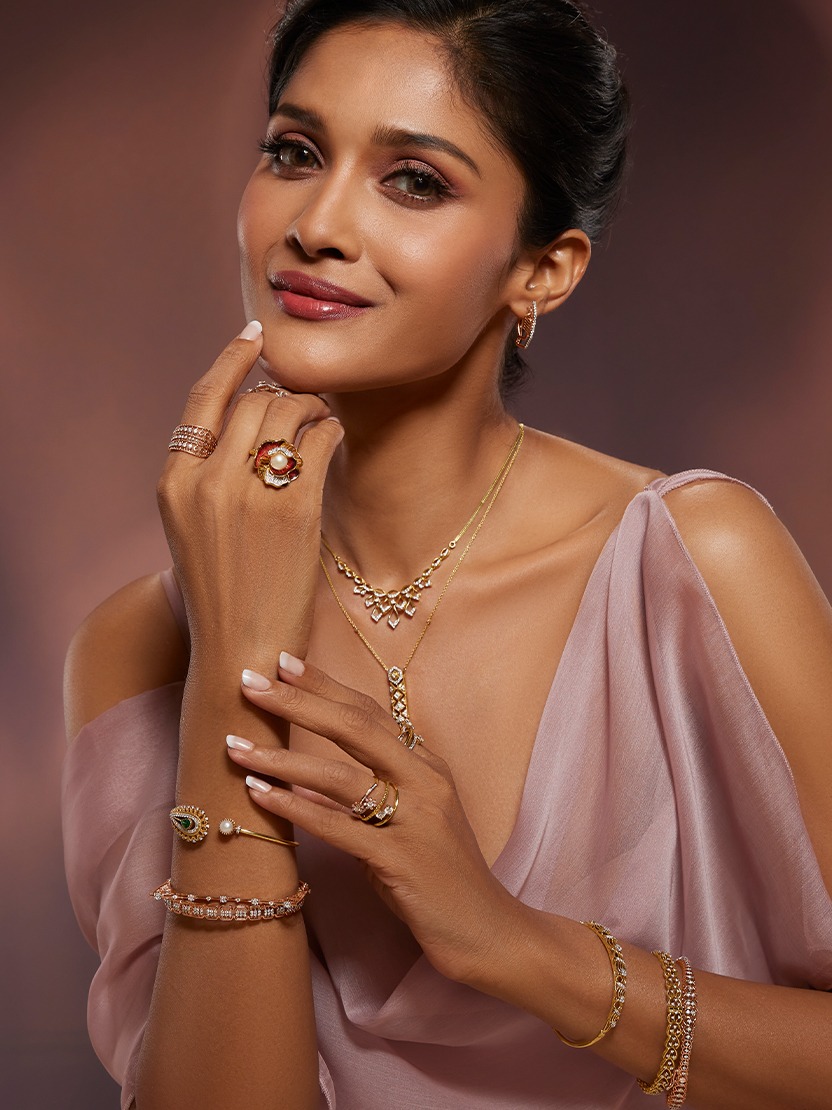
CaratLane, one of the fine jewellery brands in India, has reshaped access to this category by offering thoughtfully designed gold and diamond jewellery that fits contemporary lifestyles—making long-term quality more accessible than ever.
The Cultural Context: Types of Indian Jewellery
Indian jewellery preferences are evolving. While traditional designs remain deeply valued, there’s a noticeable shift toward lighter, 18kt and 14kt wearable pieces that suit modern wardrobes. Today’s buyers are embracing finely crafted gold jewellery that carries the visual lightness often associated with demi-fine styles, but with the reassurance of solid gold construction.
The introduction of 9kt solid gold further bridges this gap, offering the authenticity of real gold at a more accessible entry point—especially appealing to those drawn to minimalist, everyday designs.
Maintenance & Longevity: The “Cost-Per-Wear” Test
Price alone doesn’t define value—usage does. Demi or semi-fine jewellery demands careful handling: keeping it away from moisture, fragrances, and frequent friction, and periodic re-plating to maintain its appearance.
Fine jewellery, on the other hand, is built for real life. It can be worn through daily routines, refreshed with professional polishing, and enjoyed without constant caution. Over years of wear, the daily cost of fine jewellery is often significantly lower than that of pieces that require regular replacement.
Conclusion
Trends come and go, and demi-fine jewellery has its place in playful experimentation. But fine jewellery represents something more profound, a commitment to durability, comfort, and self-worth.
If you’re ready to build a collection that grows with you rather than needing constant replacement, explore CaratLane’s range of fine gold and diamond jewellery, where modern design meets lasting quality.
FAQs
- Is Demi-Fine jewellery considered real gold?
No. Demi-fine jewellery features a silver base with a gold coating (vermeil). While gold is present on the surface, it is not solid gold like fine jewellery.
- Does Demi-Fine and Semi-Fine jewellery tarnish?
Yes. Because these pieces are plated, the outer layer can wear down or oxidise over time. Solid gold jewellery does not tarnish.
- Can I wear Demi-Fine jewellery in the shower?
No. Exposure to water and soap accelerates wear on plated finishes. Solid gold jewellery is suitable for daily wear, including showers.
- Which type of jewellery is best for sensitive skin?
Fine jewellery. Solid gold and platinum are naturally hypoallergenic, unlike plated jewellery that may expose reactive metals over time.
- Is Fine Jewellery worth the extra cost compared to Demi-Fine?
Yes. Fine jewellery offers longevity, repairability, and resale value, while demi-fine pieces often need replacement after limited use.